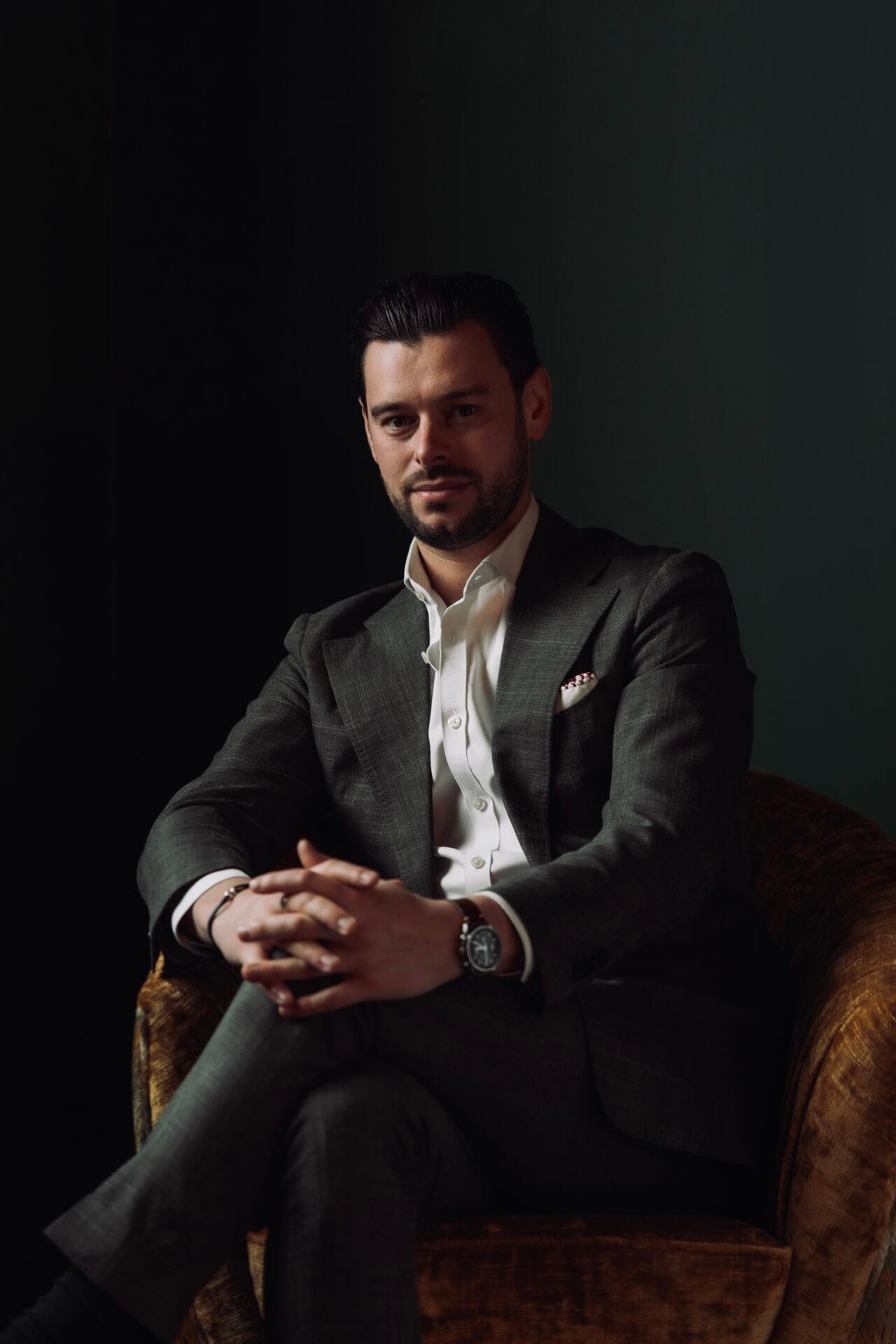
Yann Bouvignies (Rosewood / Advocatuur): "Where you'd expect jazz in a hotel bar, we chose energy and freedom"
Yann Bouvignies is Rosewood’s Regional Director of Food & Beverage for EMEA. Speaking to Jigger Daily, he discusses his new role, the origins and concept of Amsterdam’s Advocatuur, and a career shaped by London’s Scarfes Bar.
You have just been appointed Rosewood Group's Regional Director of Food & Beverage - EMEA. What does this role involve?
Yann Bouvignies : Rosewood has three Corporate Offices around the world: in Hong Kong, for the Asia-Pacific region; in Amsterdam, dedicated to Europe, the Middle East and Africa (editor's note: EMEA); and another in Los Angeles - currently transitioning to Dallas - for the Americas.
Practically speaking, I have two main priorities: supporting our open hotels across all of their F&B outlets, every bar and restaurant. This year marks my tenth year with Rosewood, so I’m fortunate to know several of our properties, and most of the Managing Directors and General Managers.
So when a hotel is running into challenges, part of my job is to diagnose what’s going on and help the team get what they need. On top of that, a lot of hotels have projects in motion: renovations, rebrands, or new concepts for certain restaurants or bars. We’re not there to run their day-to-day operations, we’re there to support them on those projects and make sure everything stays aligned with Rosewood’s vision. The hotels and their teams know their properties very well. It’s really about guiding them and backing their ideas.
The second part of my role is new openings. In other words, all the hotels with opening dates listed on our website. I work on the bar and restaurant concepts, especially in collaboration with the project design and Guest Experience teams. That includes specifying the materials and equipment for each hotel. It also means being on site for opening, with the teams, making sure everything is ready so the launch goes as smoothly as possible.
So it’s a pretty wide-ranging role: supporting open hotels, working on pre-openings, and even getting started on projects that haven’t been announced yet. Of course, among the hotels already announced, many of them have had a concept in place for two or three years already. So I’ll be jumping in partway through the process.
Rosewood seems to place a lot of emphasis on its bars, doesn’t it?
Rosewood and Food & Beverage go way back. This group relies heavily on its bars and restaurants - and increasingly so. So cocktail bars are a big focus. Just think of Scarfes Bar in London, where I spent many years; Bar Les Ambassadeurs at the Crillon, which is also doing great; DarkSide in Hong Kong; Lennon’s in Bangkok; and even Bemelmans in New York… That’s one reason they gave me this role: the beverage side really matters, and that’s my specialty.
That said, I’m still going to stay closely involved with Advocatuur. This bar is a bit like my baby, and I am very attached to it, because I worked on the project from scratch and recruited the entire team. Someone will take over for me on property, because the hotel needs a person in that role, but I’ll still be involved on the strategy side with the team. We’ve got a lot of guest shifts lined up, and I’d already put a lot in motion because I wasn’t expecting to move into a corporate role quite so soon. But the opportunity came up. I’m staying as close as I can to the Advocatuur team so I can support them until my successor is fully in place.
Could you tell us about Advocatuur? And what is the Prøvo concept you are highlighting?
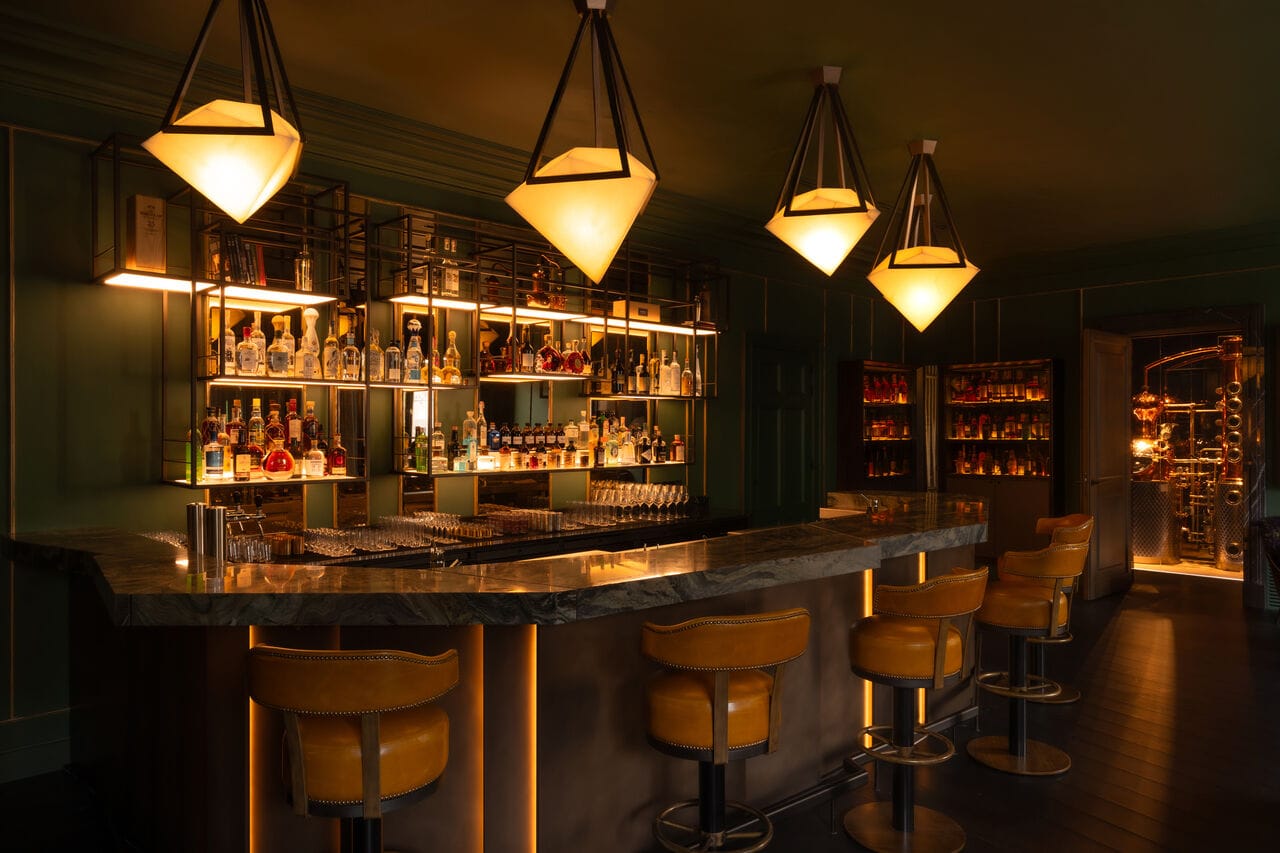
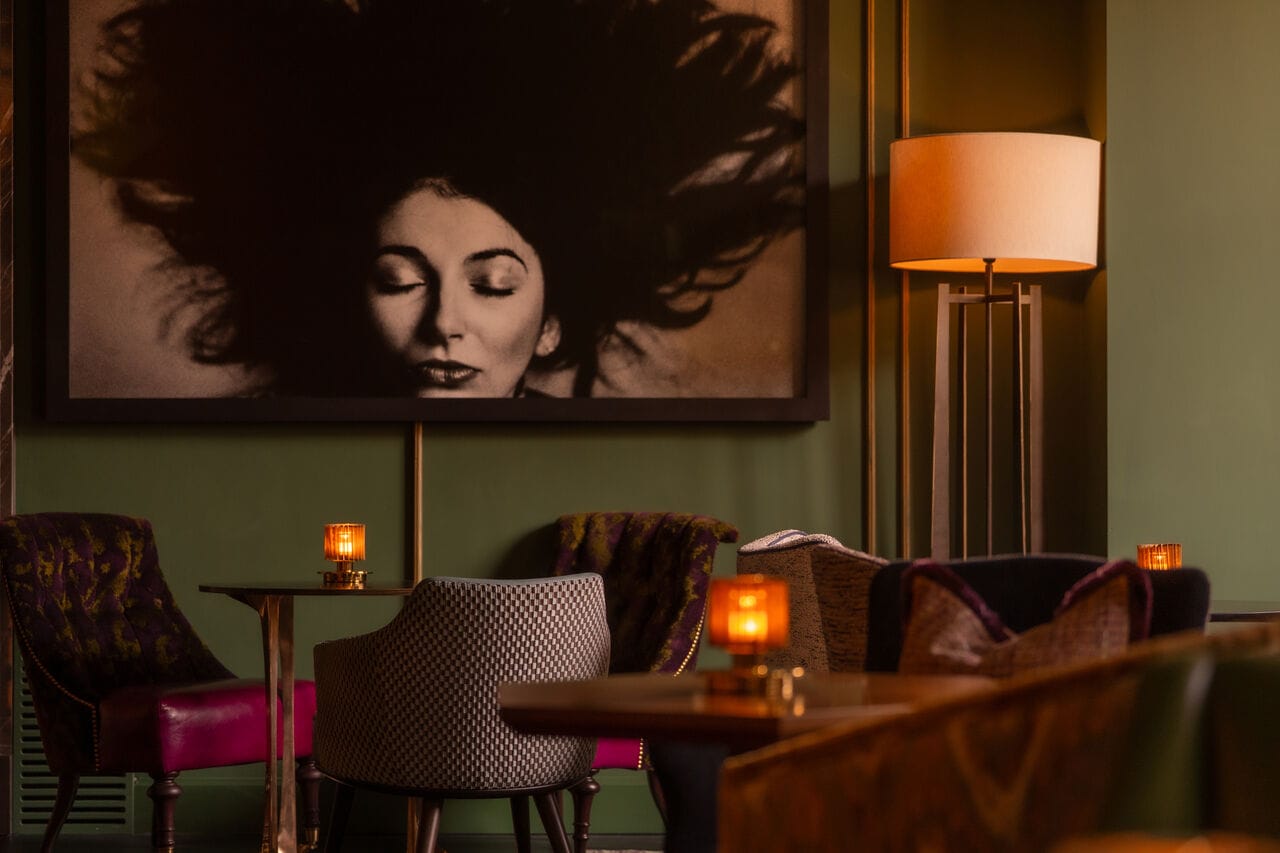
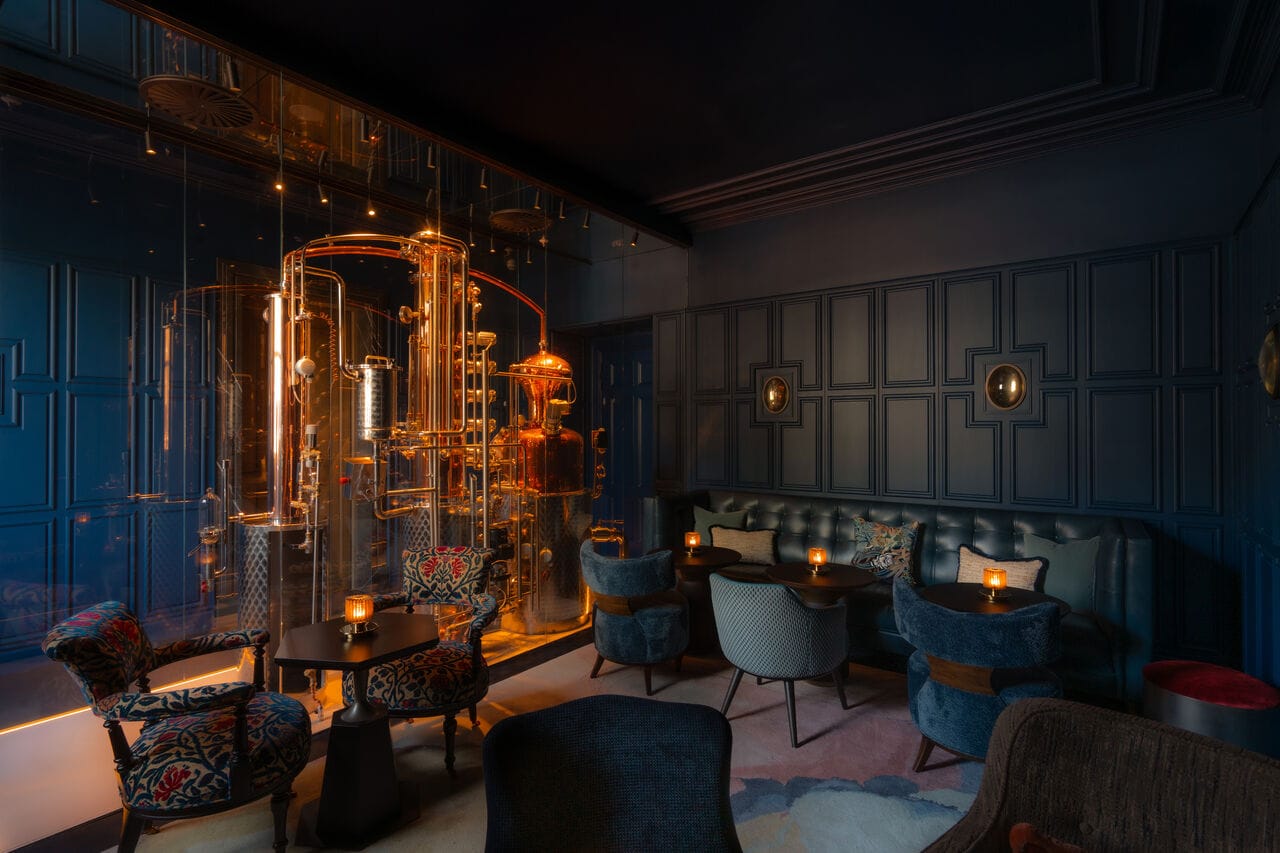
Advocatuur is the bar at the Rosewood Amsterdam. The name refers to the legal profession in Dutch. Housed in the former Palace of Justice, we wanted to pay tribute to the building’s history. The bar occupies three rooms that once made up one of the old courtrooms: the distillery, the main bar, and a space dedicated to live music and the tandoor, our semi-open kitchen. Preserving that historical dimension was an obvious choice.
The Prøvo concept came very naturally during our research to find a name for the genever we distill in our bar. We discovered the rebel Provo movement, active in the 1950s and 1960s, which used to protest right across the street from the Palace of Justice - it was kind of their hangout. Prøvo is an abbreviation of the Dutch word provoceren, which means to provoke.
That contrast between two worlds, law and rebellion, defines the identity of the bar: hip-hop music, resident DJs, an entrance right off the street. Where one might expect jazz in a hotel bar, we chose energy and freedom.
Advocatuur (Amsterdam)
The bar has an artistic dimension, with a large number of fine-art photographs. Why did you make that choice?
The décor is the result of a collaboration with Anton Corbijn, the photographer and filmmaker, best known for Depeche Mode’s black-and-white videos and the film Control about Ian Curtis of Joy Division (whom he knew personally, editor’s note). He lives in the neighborhood and visits us often.
The Rosewood Amsterdam houses more than 1,000 works of art, accessible via an app that allows guests to scan each piece and discover its story. The program is structured around four pillars: street art, digital art, the owners’ private collection, - generously on loan - and emerging talent. All the artists have a connection to the Netherlands: they are Dutch or spent part of their careers there. Showcasing local culture and spotlighting emerging talent, true to Rosewood’s philosophy, felt essential to us.
Have you noticed a trend among certain cocktail bars moving closer to the art world?
This one’s personal for me, because I worked for more than eight years at Scarfes Bar at the Rosewood London. The bar’s name is a tribute to the artist Gerald Scarfe (the British caricaturist whose drawings illustrated the album and film The Wall by Pink Floyd, editor's note). When Advocatuur opened, Gerald and his wife, Jane, came over from London. After so many years of working together, we have become very close.
The connection between bars and art is becoming more and more common. It’s a platform for expression, and there are no creative limits.
Rémy Savage is the perfect example of that across his bars (and in a different vein, you could also mention Foco in Barcelona, which exhibits works by young artist friends, or the new menu at Himkok, Designed by Sipping, in partnership with the designers at Studio Sløyd, editor's note). However, for Advocatuur, it happened naturally.
In your experience, what is more difficult: creating a bar from scratch or joining an existing venue?
Opening a hotel or a bar from scratch is not the same job as operating a venue where everything is already in place. They are two fundamentally different tasks. Some professionals excel at one or the other; others master both. I have found challenges on both sides.
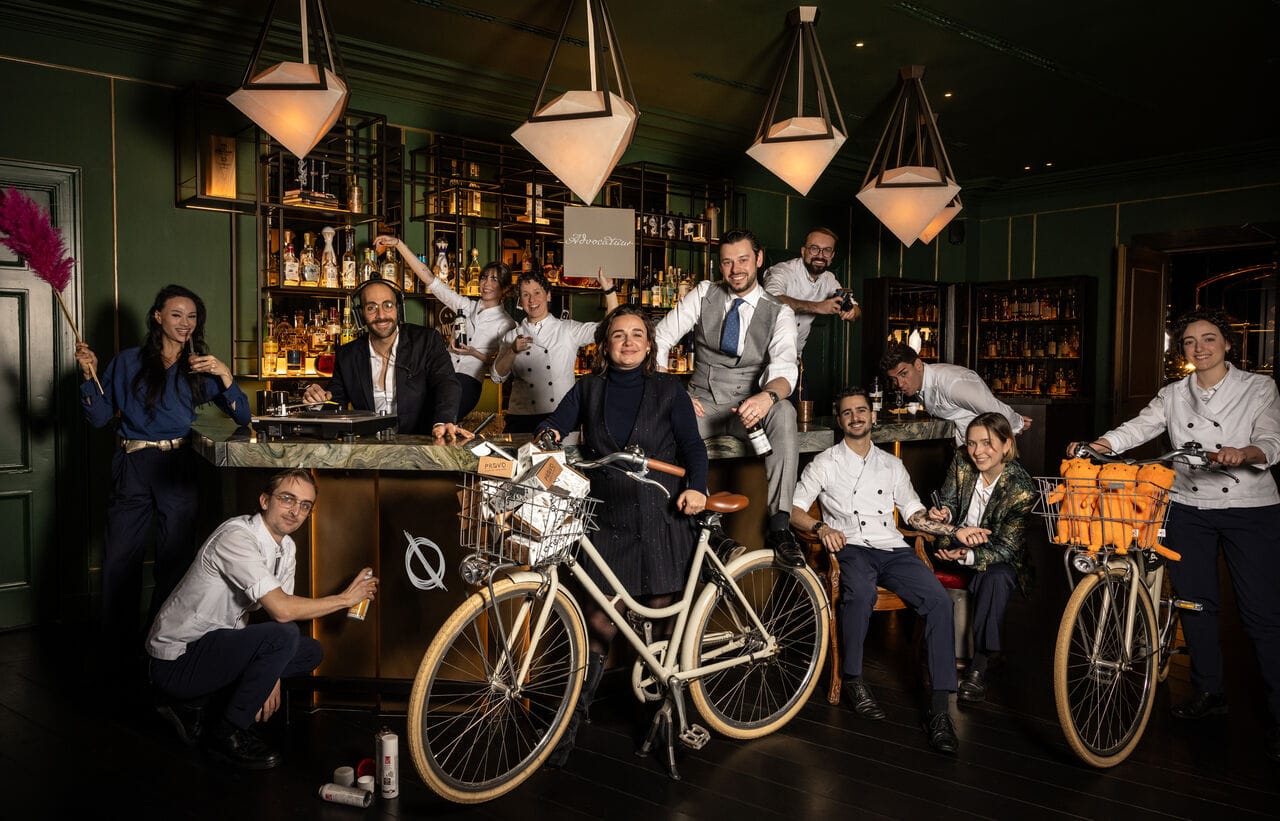
I had the privilege of starting to work on the Advocatuur project during my final months in London. Thomas Harlander, our General Manager, included me from the very first stages, and I’m truly grateful to him for his trust and support. That gave me the chance to design all the bar workstations and the lab from scratch before Jamie Bokhorst, our bar manager, joined us a few months before opening. Nothing existed yet, so we had to be creative, think ahead, and not miss a thing.
During the pre-opening phase, I’d go to the site regularly while it was still a construction site, with a hard hat and safety gear required, and walk around for hours in the future bar space. I’d run through entire services in my head in that space: as host, bartender, and guest all at once, making lists of everything I’d need (equipment, logistics, all of it). It’s a lot more complex than joining a place that’s already up and running.
On top of that, you also have to build a team. That is the most important thing. It’s about having the right people, the right mix of personalities, and getting everyone aligned on the vision from day one. I was lucky enough to have a remarkable team, too. Jamie, our bar manager, had worked with me at the Rosewood London for several years. Carmine Marano, our head bartender, as well. Being able to rely on people who already know how you work and your vision from day one is a real asset. Within the team, two or three other members already knew Rosewood from previous experience. I was very lucky on that front.
Stepping into an existing venue and transforming it is also a huge challenge. Martin Siska and I went through that at Scarfes Bar. It’s really tough. Then, over time, we managed to build an incredible and solid team.
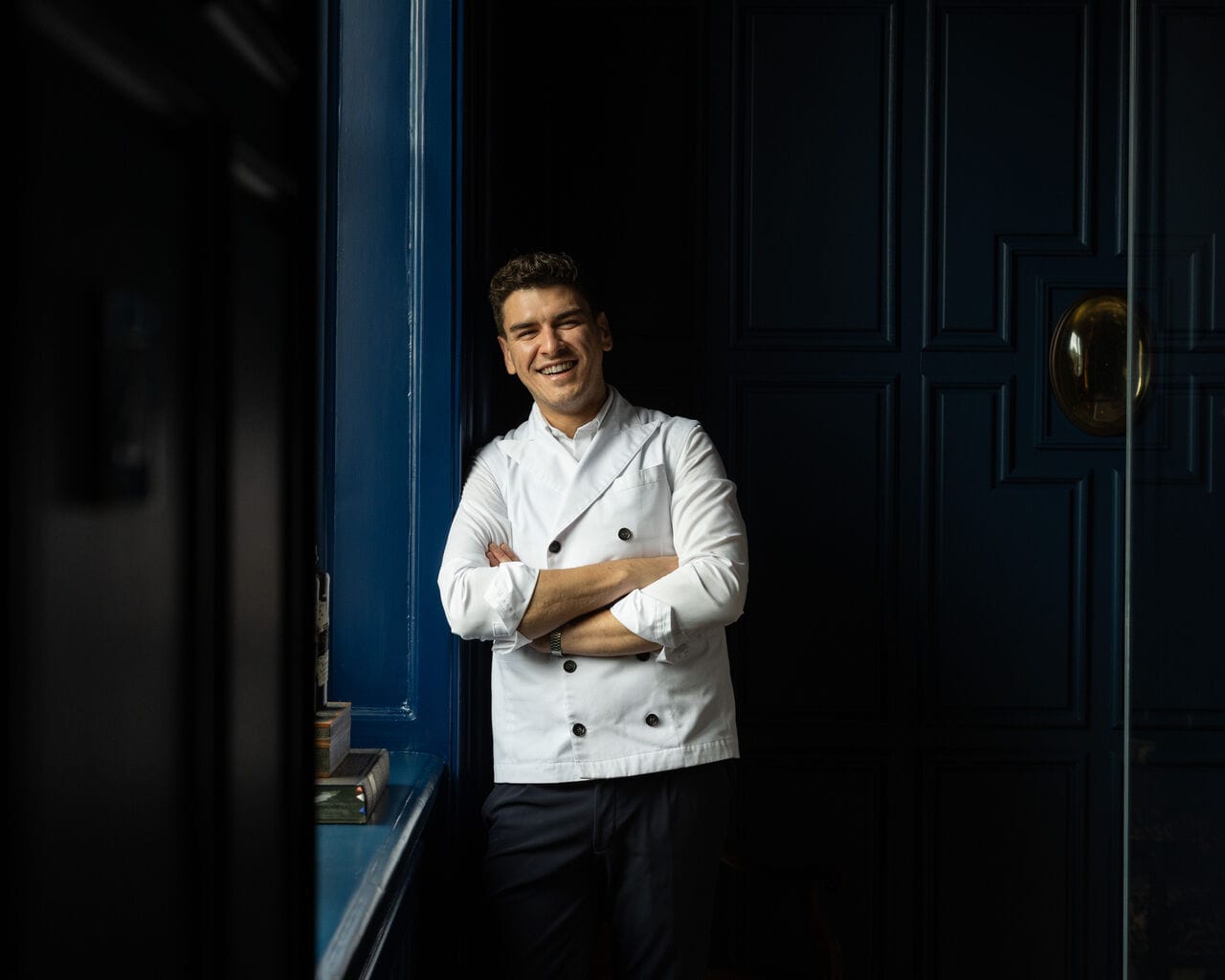
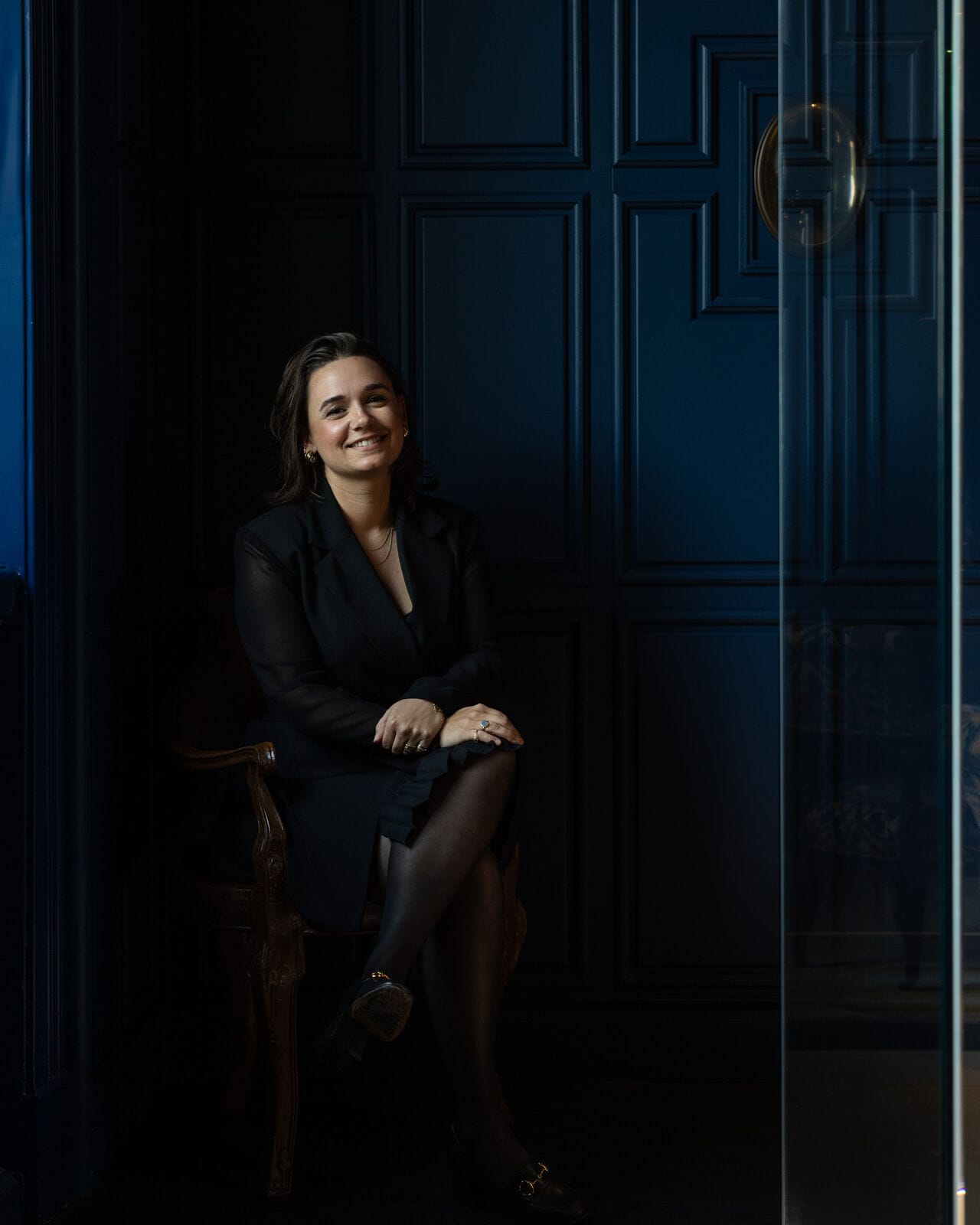
Carmine Marano & Jamie Bokhorst - Advocatuur (Amsterdam)
What is Advocatuur’s headcount, and how do you manage work-life balance?
About 12 to 13 people, depending on the season. One thing we take really seriously is work-life balance. The workweek is organized over four days, with three consecutive days off - a particularly valuable practice in our profession, where we often finish late at night. We were the first team at Rosewood Amsterdam to roll it out. It’s part of a bigger shift: we were the first hotel to open as the first Rosewood 3.0 property, with a new visual identity, a new company culture, and a new vision.
There are quite a few French people on the Advocatuur team!
Yes! Jeanne Mathieu and I go way back. We were supposed to work together for a few years, but Brexit arrived at exactly the wrong moment for that to happen. I met Lino Roquebert at the Rosewood Saint-Barth ; he then did great work at the Bar Les Ambassadeurs at the Crillon alongside Arnaud Volte and Kevin Rigault. Jules Daudin joined us after spending time at Danico. From day one, he was there every day. One morning, I asked him, "Jules, what are we doing here?" He said, "Do you have a spot?" "Yes, come on in!" And then there’s Eva Besse, already based in Amsterdam, who was working at Law & Order.
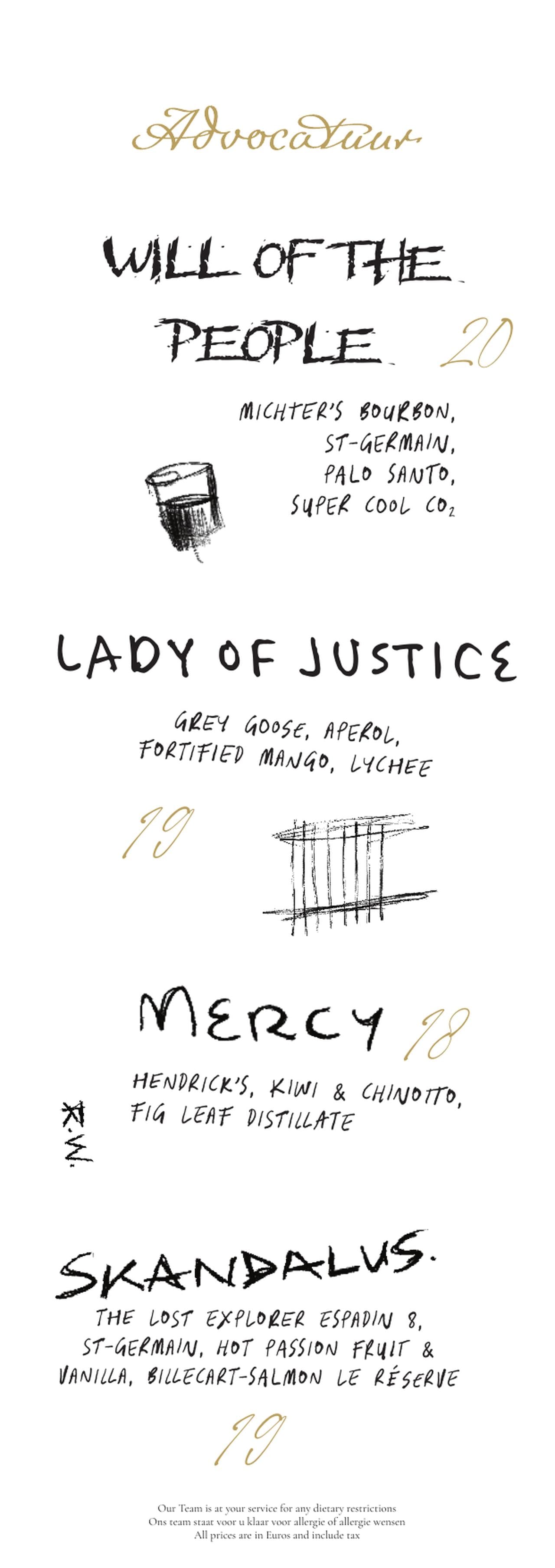
The first menu is called The Will of the People. How did that idea come about?
With the bar’s concept - rebellion, the Palace of Justice, the law - The Will of the People naturally brought to mind people in motion. I wanted a simple and flexible menu. I’ve worked on a lot of big, concept-driven menus at Scarfes. It’s fascinating, but sometimes it can be a bit much.
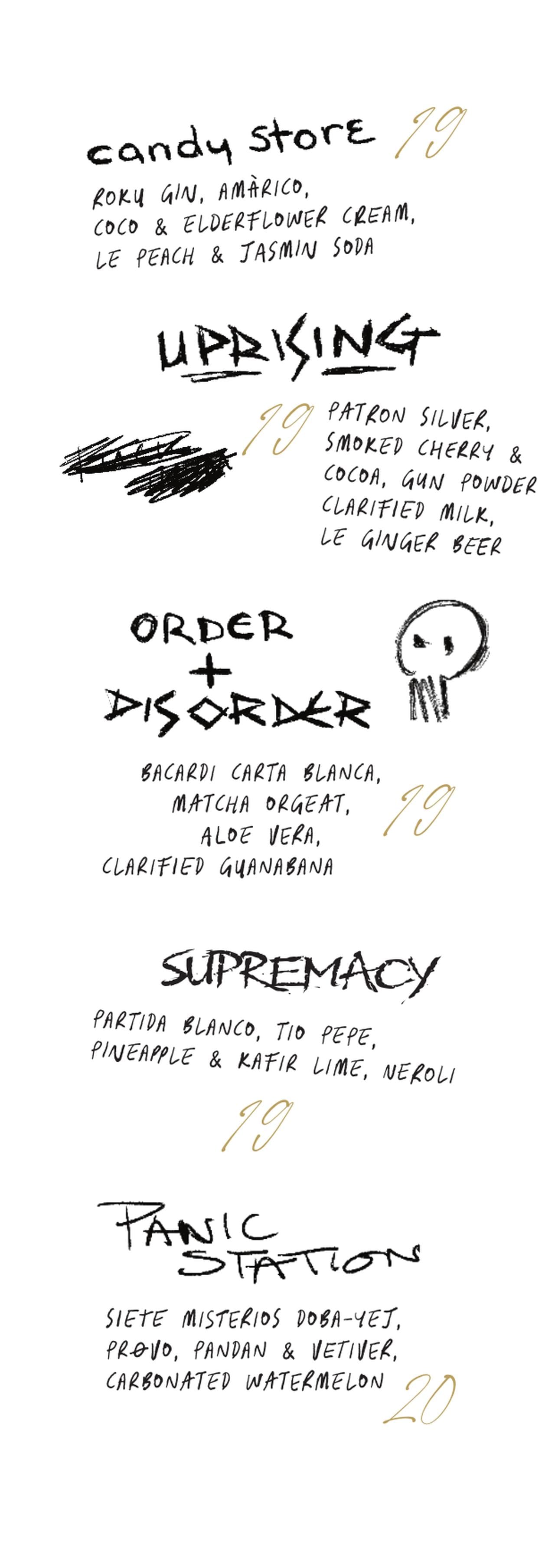
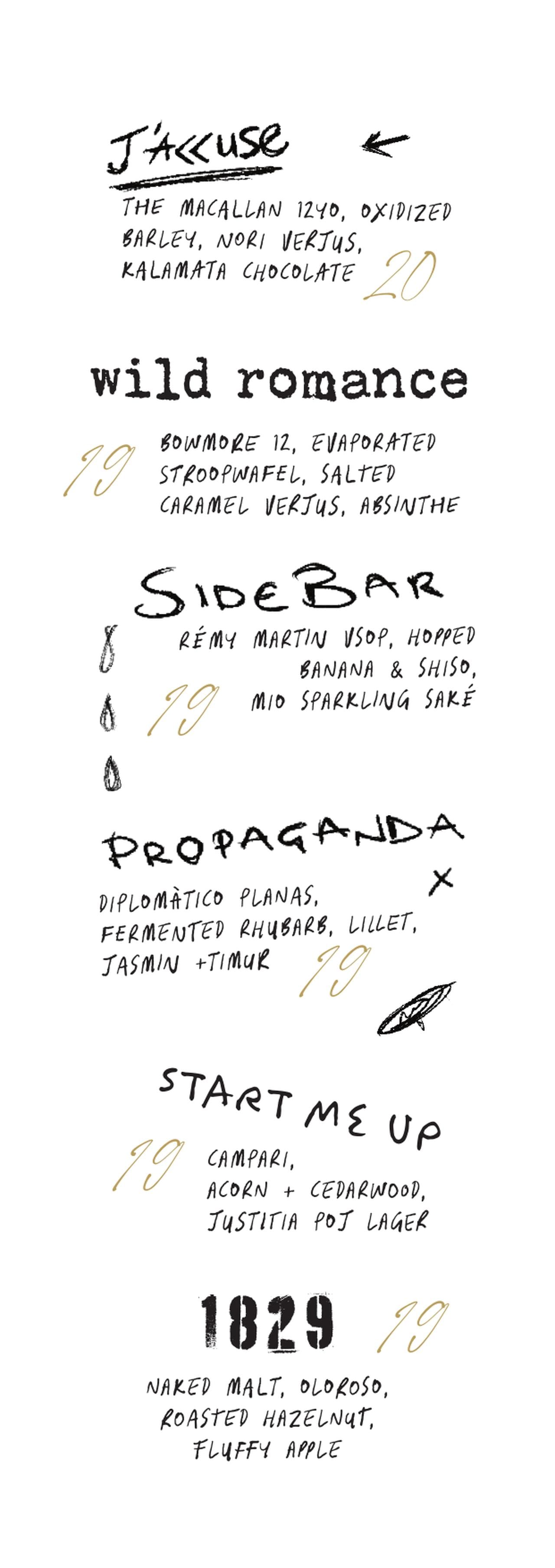
For Advocatuur, I wanted a more direct offering: 15 alcoholic signature cocktails and 3 non-alcoholic ones, for a total of 18 drinks. No creative rigidity. If a drink isn’t working, we change it. In keeping with the spirit of the bar: rebellion, freedom, no rules. The Will of the People is also about the movement of the crowd, the guests, who decide.
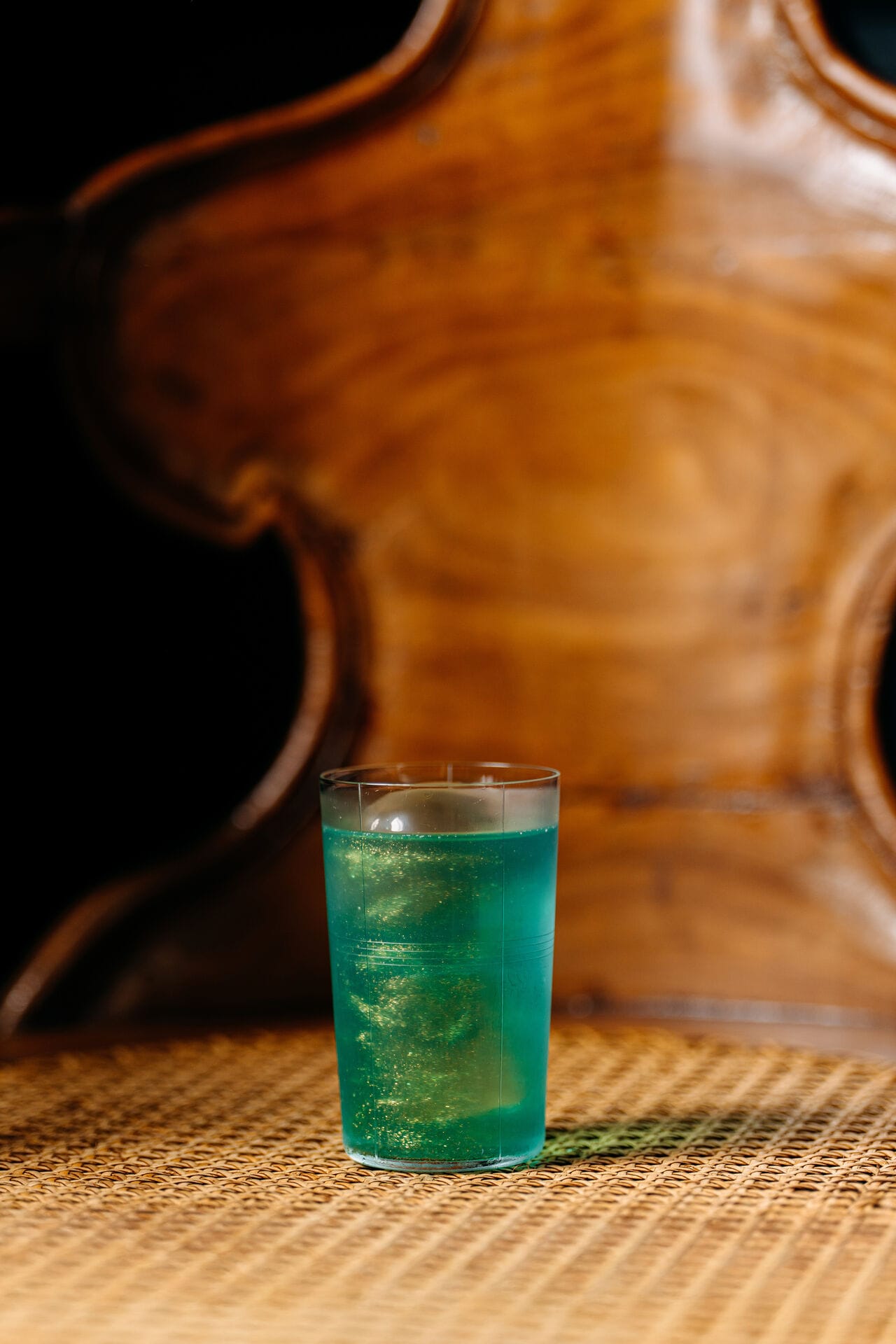
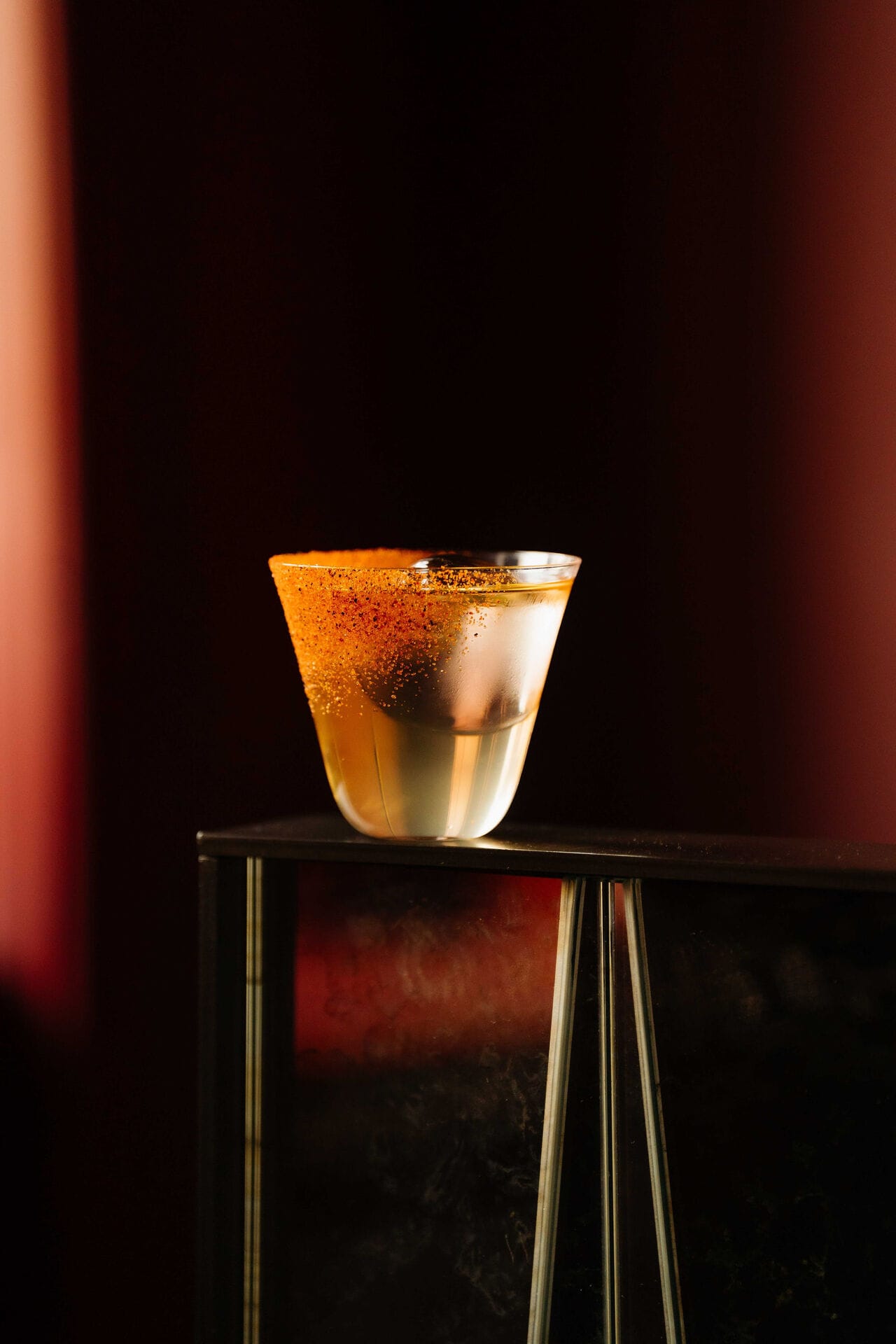
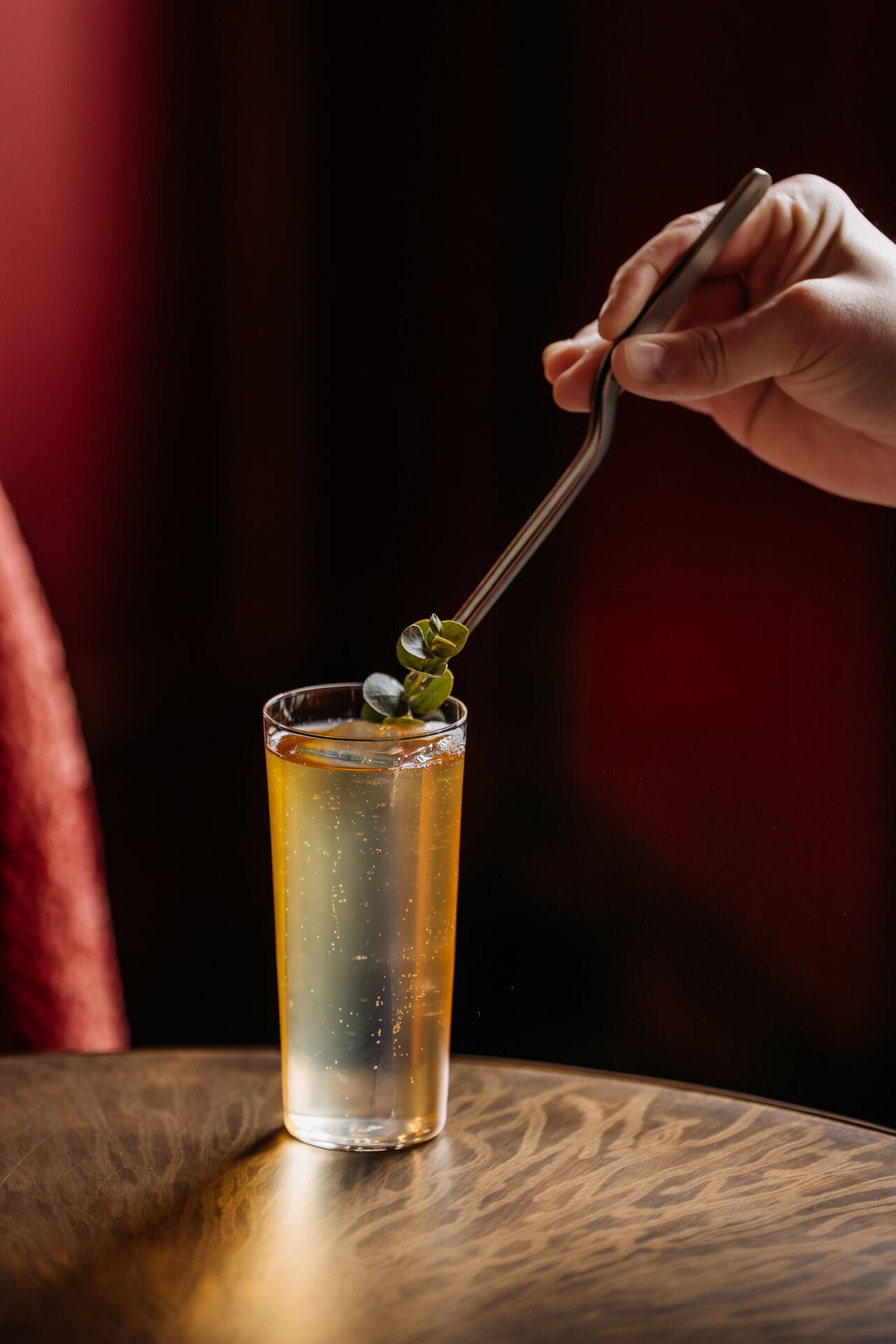
Advocatuur, Amsterdam
Are large conceptual menus still relevant today?
The trend toward highly elaborate menus seems to have cooled off a bit; there’s more of a push to get straight to the point. That said, it all depends on the type of bar. When a venue’s concept is strong and well defined, it naturally becomes the concept of the menu - a good alternative to a separate themed menu.
When Martin Siska and I arrived at Scarfes Bar nine years ago, the identity had to be completely rethought. It was precisely the era when concept menus were at their peak. That allowed us to find a strong creative direction, an identity. Here, at Advocatuur, the bar’s concept was in place from the start. So things came together more naturally. We are currently working on the second chapter of The Will of the People, with new cocktails and a stronger seasonal focus.
The current format gives us much more flexibility: we can reprint the menu and tweak a few cocktails as the seasons change; some highballs and gimlets will change based on what’s available. It also allows us to work more closely with local producers.
How was the menu built?
We don’t make menus for bartenders, we make them for our guests. They are the ones who decide. So you need a mix of everything: after-dinner drinks, highballs, gimlets - I love gimlets.
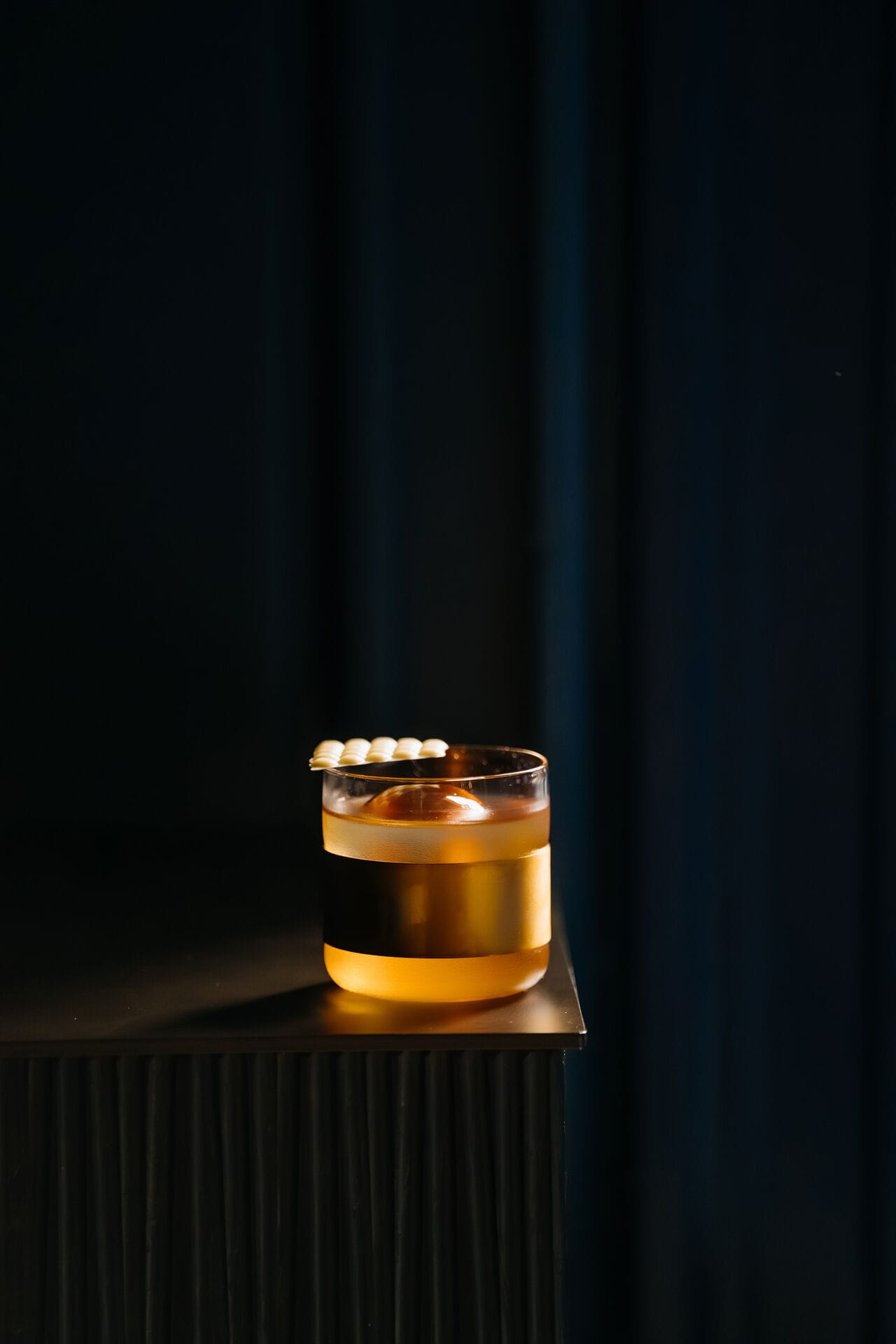
I never rework certain classics, like the Negroni and the Espresso Martini. I always explain to my teams: when you feel like a Negroni, you can try every riff in the world, you’ll always come back to the Negroni. Same thing for the Espresso Martini.
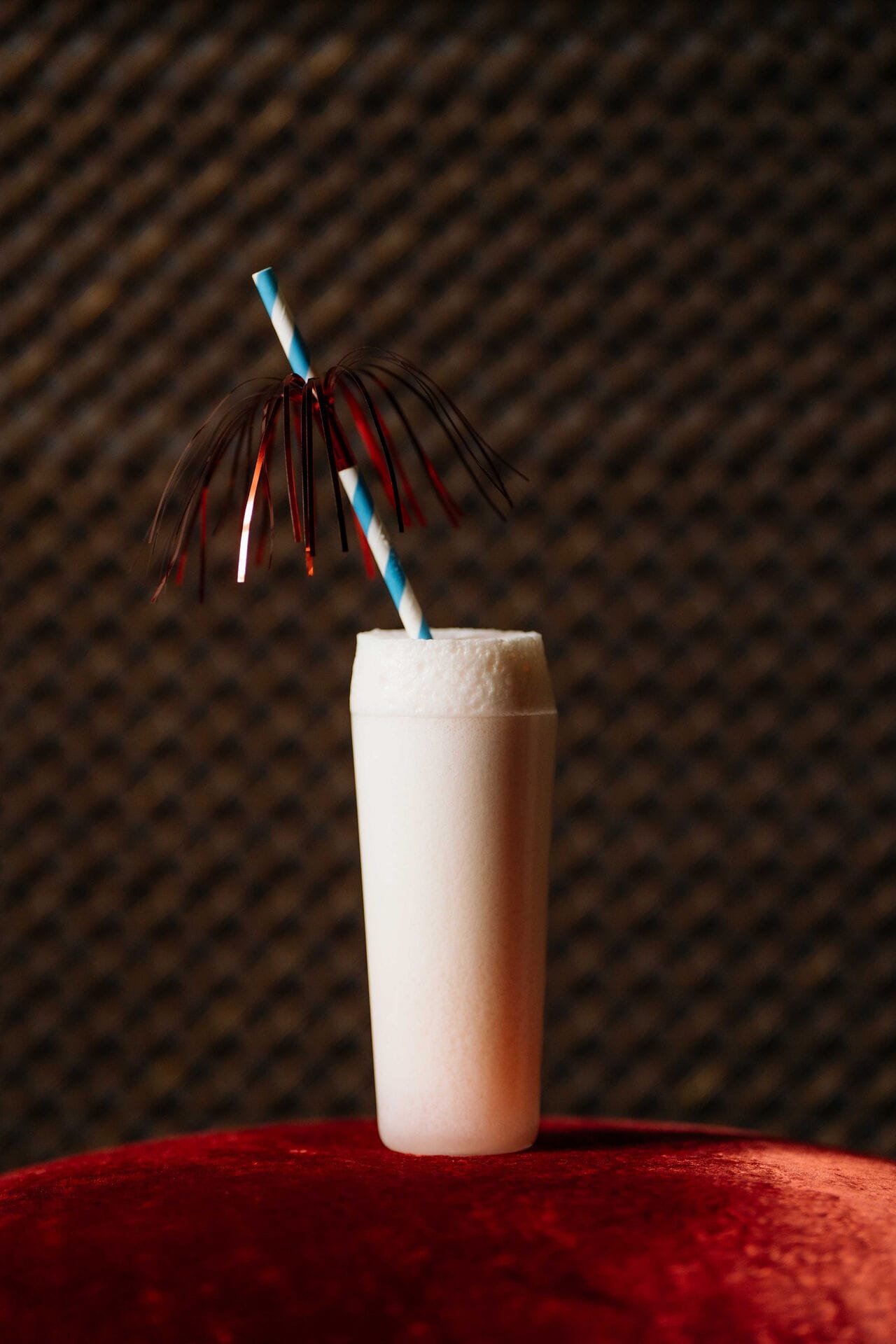
We have two stations behind the bar that are very well designed. Our manager gave me a great deal of freedom to design everything, and I am very grateful to him for that. To hit a seven-minute ticket time under LQA and Forbes standards, which are extremely specific, being able to serve a Milk Punch in a single pour is a huge help. It frees you up for drinks that take longer to build. A 5-star hotel bar has its constraints; you have to adapt.
As for experimental cocktails, I went through a phase like that. Today, I am much more pragmatic: serve good drinks that guests enjoy. Just because something is interesting doesn’t mean it’s going to be a best-seller. A bar is still a business.
There seems to be a general shift back toward clearer menus. What do you think?
Yes. Clarity and transparency also drive sales. Guests usually start by ordering a classic or something they know. If the menu is readable and inspires confidence, then they’ll try the signature cocktails.
A menu’s readability is not a lack of ambition; it is a service to the guest. Three-quarters of the time, they want to know roughly what flavor profile to expect. Opacity is not proof of sophistication.
Do you know the proportion of cocktails ordered between classics and Signatures?
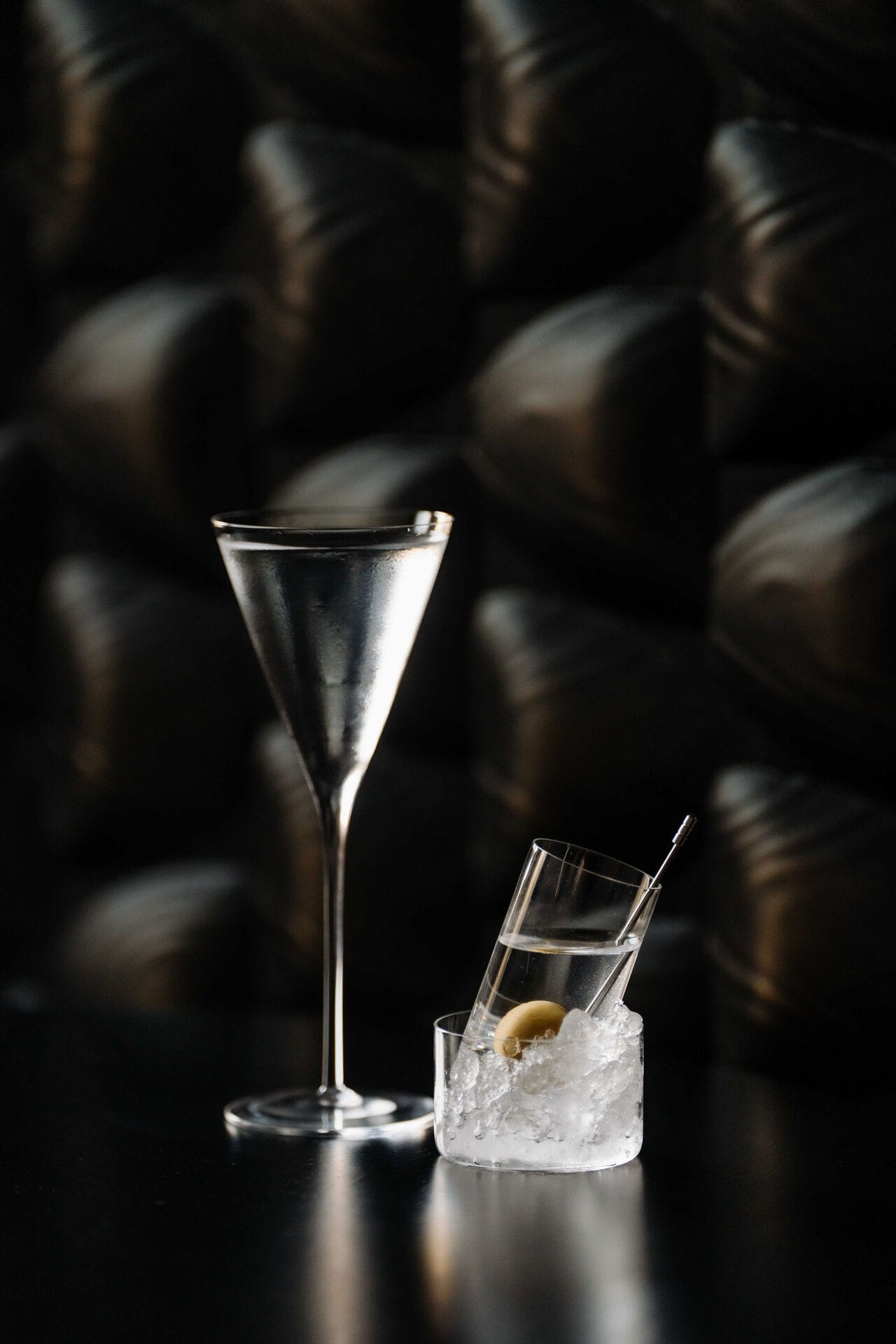
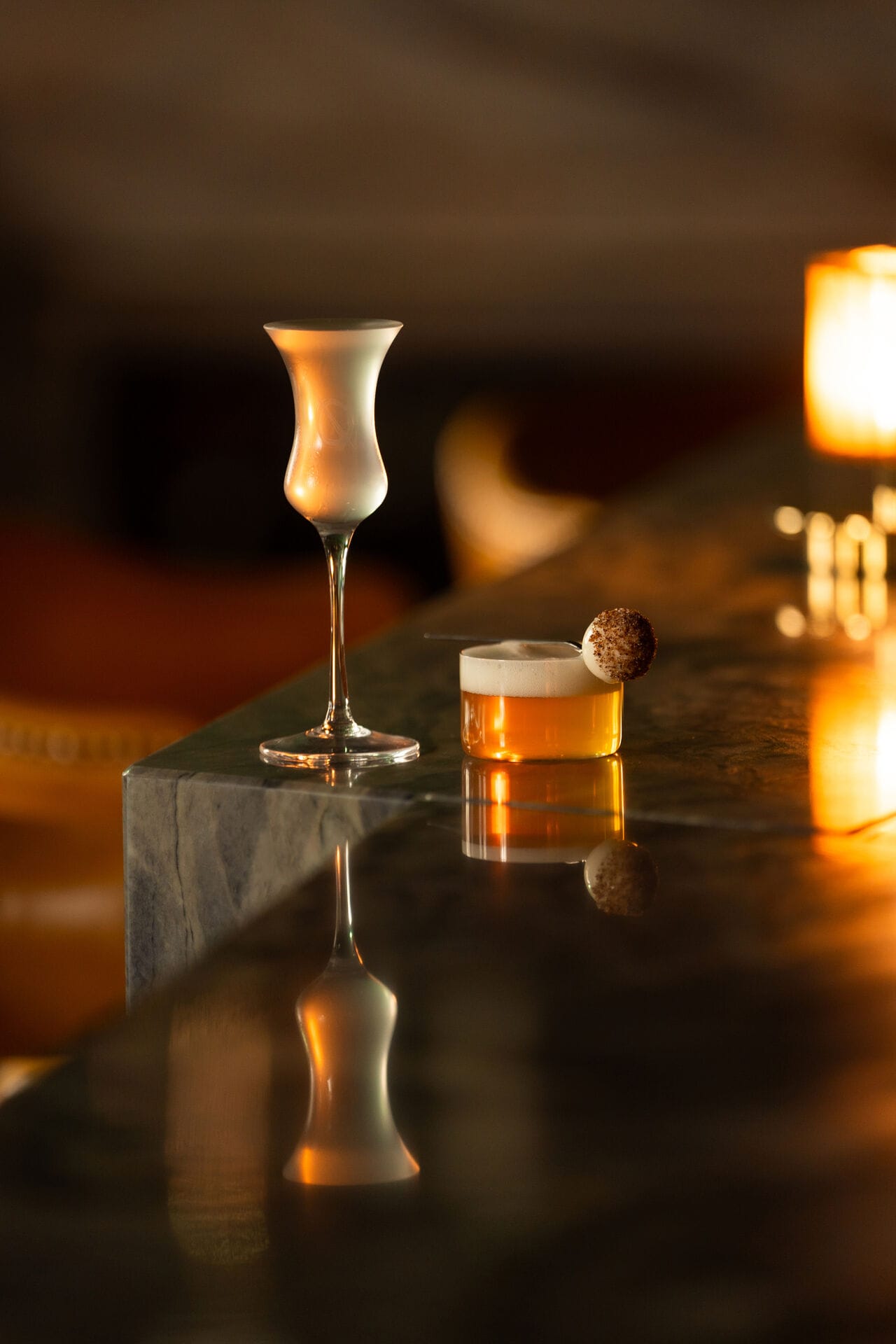
In our top five best-sellers, the signatures are ahead. In our top ten, it’s almost 50–50. The most-ordered classics are the Martini (which we serve in a very specific way), the Negroni, and the Old Fashioned. And in Amsterdam, the Pornstar Martini is a must. We created a house version with our genever Prøvo : the Prøvo Star.
Mini cocktails seem really popular at Advocatuur, are they?
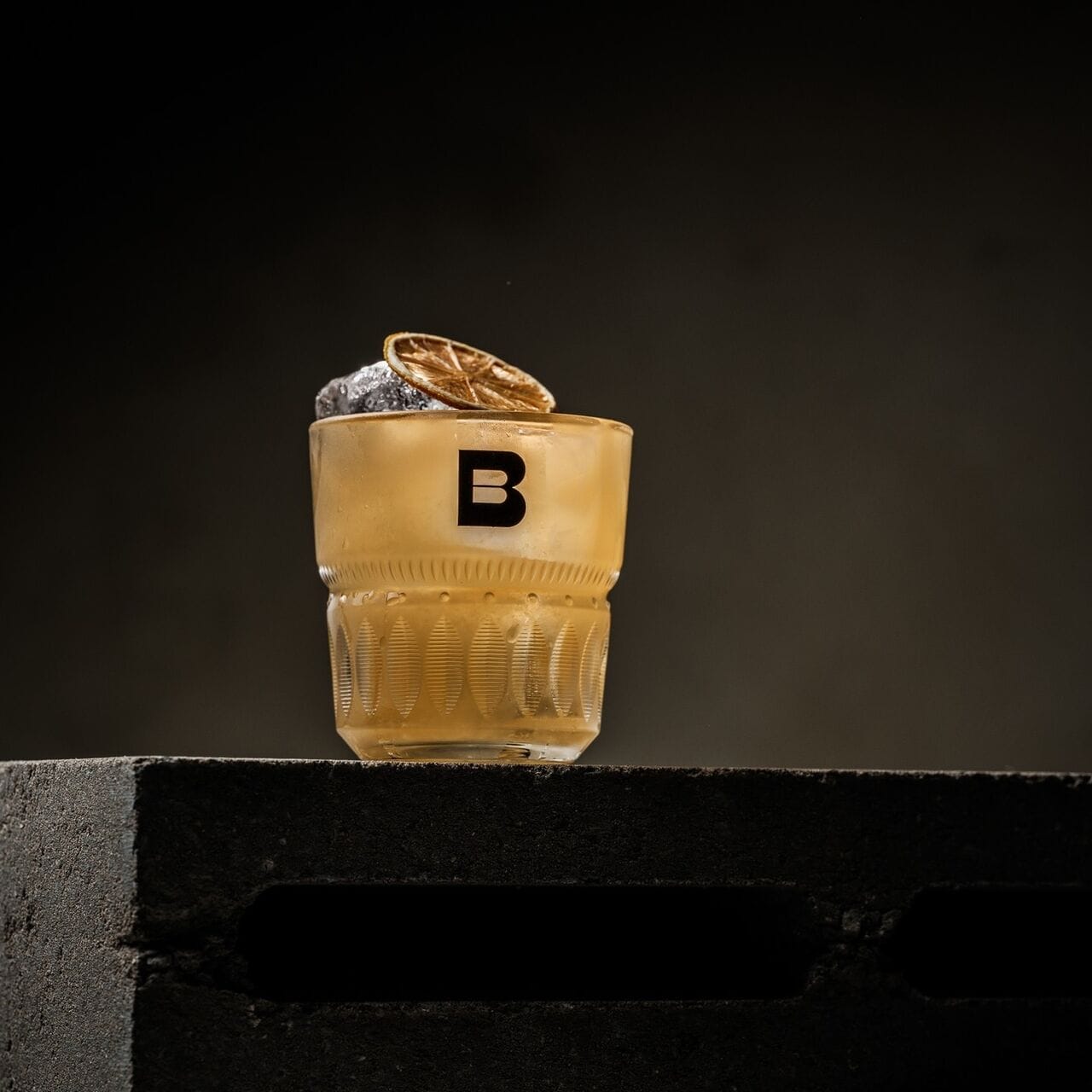
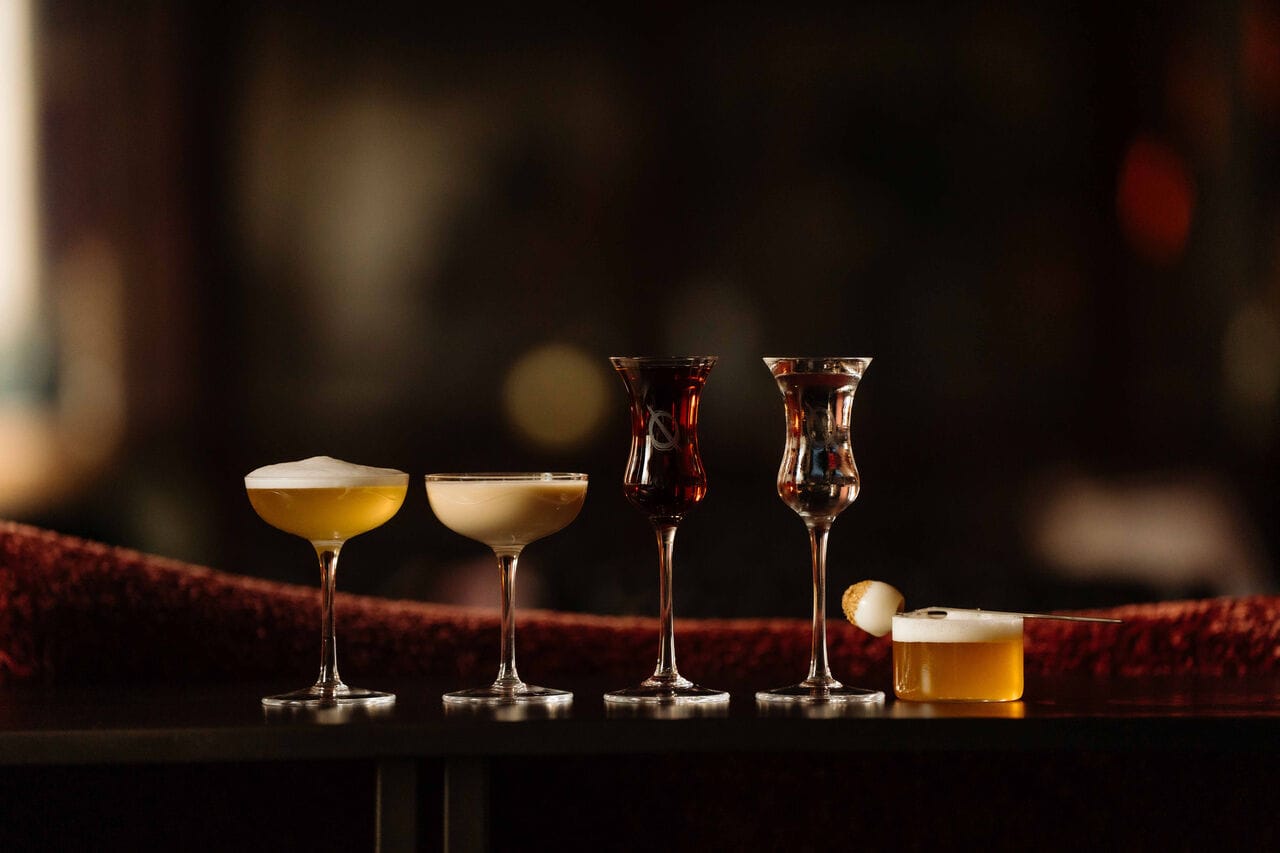
Since opening, our Prøvo menu has offered a selection of mini serves: the Kopstuk (our Prøvo Martini served with a small beer and a quail egg), as well as an Alexander, a Martinez and a Prøvo Star - all served in mini coupes or in our tulip glass with the Prøvo logo. The idea was to deliberately get people tasting genever and to show that, with a spirit like ours, it is possible to reinterpret very popular cocktails.
I think we were among the first to offer this format in Amsterdam. Our friend Eric van Beek has just opened Shakerato and also offers mini cocktails on the menu. Since our opening, mini serves have been very successful.
What about non-alcoholic cocktails?
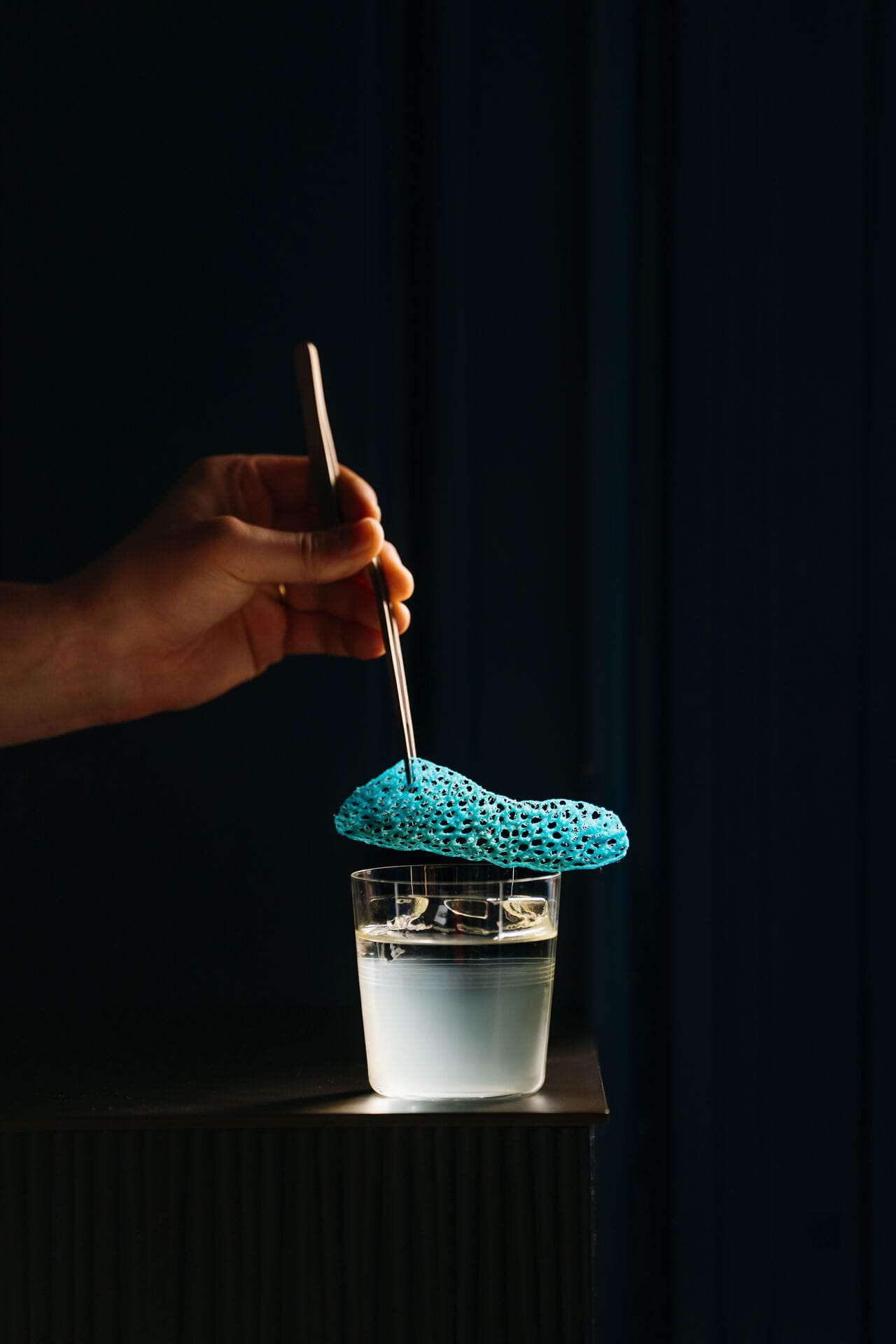
Low-and-no is growing fast. Guests are getting more and more aware of how much they’re drinking. That is also why mini cocktails were added to the menu from day one. We offer three non-alcoholic cocktails: a Negroni, a highball and a Spritz. The latter is a collaboration with Amarico, an Italian non-alcoholic aperitif: we created a canned version of it, available in every guest room and across the property. It is our in-house non-alcoholic signature, and it really works.
How did the idea of integrating a still into the bar come about?
As far as I know, at least in Europe, we’re the only hotel bar doing this. Our friends at Himkok, in Oslo, have their own distillery, but it is not a hotel bar. The idea came from Rosewood's Sense of Place philosophy: showcasing local culture.
Genever was born in Amsterdam. Without it, there would have been no gin. It is gin’s direct ancestor. As a result, having a distillery in a bar located where it all began felt like a natural fit.
That decision had already been made by the Rosewood design and concept teams; we developed it together.
Did you work with a master distiller to develop the recipe for your Prøvo genever?
Yes, with Alex Davis, our consulting master distiller. I know how to distill with a rotavap, but a copper still is another matter. We worked together for nearly two years. The first experiments took place in my kitchen, with a tiny one-liter still, hundreds of samples everywhere, and my cat in the middle of it all! My wife was delighted when all of that moved out with the hotel opening (laughs). Alex brought the technical still expertise; I brought the aromatic and cocktail side.
We produced two limited editions. The first came out of our first guest shift hosted at Advocatuur : Maros Dzurus from Himkok. Their concept and ours share certain similarities - including a distillery. As we were talking, the idea of a collaboration between their aquavit and our genever emerged. We redistilled our Prøvo by incorporating the botanicals from their aquavit, creating a spirit inspired by both identities - without actually blending the two spirits.
The second edition was designed for Christmas: an Old Tom Genever with spice-driven flavors, in a limited run of 50 bottles, made by combining the still and the rotavap. Alex had never used a rotavap - I had to teach him, which was quite funny for a master distiller. All in, we have three expressions: the classic version of Prøvo, the Himkok edition and the Christmas Old Tom.
Is the distillery also meant to produce gin?
No, I do not think so. We’ll stick with genever and its different expressions: an aged genever, perhaps a Navy Strength... Genever is who we are, it’s tied to the history of the place and to Amsterdam.
For now, is Prøvo reserved for the bar? Can guests buy it?
Not yet. We’re still finalizing the distilling licenses. That should be sorted out in the next few weeks. After that, all of our editions will be available on our website and at the hotel. In the meantime, in-house guests have a bottle of Prøvo waiting in their room.

Tell us about the unique Prøvo tasting experience you created around the prison cell.
During pre-opening, my general manager Thomas Harlander - a true bar enthusiast, who had designed the concept for Lennon’s at the Rosewood Bangkok - asked me one morning: "Yann, there is a prison cell in the building, do you want it?" "Yes." "What are you going to do with it?" "I have no idea, but I will take it."
After a lot of brainstorming, the idea took shape: a genever library where we would keep a sample of every distillate; a hidden bar that folds out from the cell, with the bars serving as bottle racks; the tasting of the Kopstuk - genever, small beer, quail egg - as a tribute to Amsterdam’s history. I had always wanted to be able to take guests beyond the bar and tell a story. At the Scarfes Bar, we did not have the space for that. Here, the opportunity existed.
We needed something memorable to take away. A tattoo with the Prøvo logo - we are in a prison, so why not? And then we take a black-and-white photo, paste it on the wall, and have the visitor sign it. The eight cell doors are authentic and date from 1929; the owners did not want us to touch them. That aesthetic, the carved graffiti from detainees waiting for trial, is what inspired the Prøvo branding: the label, the red menu cover with its engraved details. So we claimed the blank wall instead.
For the launch, we posted online a series of black-and-white photos of wrists bearing the Prøvo ø tattoo. It created a lot of buzz. Then we revealed it was the launch of our genever and the distillery.
During opening week, I spent every evening in that cell, from 5 p.m. to midnight, group after group, nonstop. The first visitors discovered a white wall. Now it’s completely covered in messages in every language and drawings. Gerald Scarfe even created an original caricature of Pink Floyd there!
Soon we’ll have to repaint the walls and reset it. But I really do not want to - there are so many memories there from the very first day we opened. We’ll have to get creative and find somewhere else for it to live (laughs).
How do guests access this experience?
Originally, there was one rule: you weren’t supposed to ask for it. But at this point, because it’s become well known, we’ll do it if people ask. But the ideal is still the surprise: if we see guests who are curious about Prøvo, we tell them: "Do you have two minutes? Come on, let’s show you something.".
That element of surprise, that magic - I believe in it deeply. A hotel or a bar without a little magic is nothing.
Is genever still consumed in the Netherlands, or is it a spirit that has fallen out of fashion?
People still drink it, especially in brown cafés - the traditional Dutch cafés/pubs. The Kopstuk, our Signature Serve, is directly inspired by a local tradition: a small beer accompanied by a glass of genever.
Genever is a fascinating product to work with: botanical freshness - like gin - combined with the grain complexity of malt, which brings body. I honestly wish I’d explored it sooner.
What is your take on Amsterdam’s cocktail scene right now?
The community is small but very close-knit. Amsterdam is more of a big village than a big city. The scene is developing really well: Eric van Beek has just opened Shakerato right next to us, Door 74 continues to do great work, Law & Order has been sold, but the teams are opening Taxman Cocktail Room... Things are constantly moving, with new spots opening up. It’s getting more dynamic, and it’s great for the city’s culture.
Do the people of Amsterdam have a real cocktail culture? Or is it mostly the domain of expats and tourists?
Amsterdam is not London, where cocktail hour starts around 4 or 5 p.m. and where going for a Martini in a hotel bar is part of the culture. Cocktail culture is growing, but hotel bars still aren’t the default. After ten years in London, the contrast is noticeable. However, Amsterdammers travel a lot - they’re worldly, and they know what they’re drinking - the appetite is definitely there, and it is growing.
Let’s wrap up with your background. How did you become a bartender?
Initially, I wanted to be a chef. But I missed direct contact with guests, so I moved into front-of-house hospitality, then - when I finished my vocational training and technical high school diploma - I considered a sales role, or becoming a sommelier or bartender. My brother was already a bartender, which influenced me, but it was my teacher who encouraged me to choose the bar. So I went into bartending and never did the sommelier specialization I had been considering. I did my WSET later, because my passion for wine never left me. I cook a lot - I love food, like any good French guy.
Advocatuur, Amsterdam
How did you join Scarfes Bar?
In France, I was assistant bar manager in Saint-Tropez and Méribel, working seasonally. In London, my first position was at Purl, in Marylebone, for a year, where I had to start from the bottom as a barback because my English wasn’t great. But not for long, I was determined. Then, I spent a few months at the Coburg Bar at the Connaught. However, I wanted something more rock 'n' roll, and I had always told myself that if I managed to work in a hotel bar in London, in a position of responsibility, it would mean my English was good enough - that was my goal when I left for England.
Then Scarfes Bar came along. I thought I would stay there for one or two years. On my tryout shift, I was sold right away: the custom uniforms, the possibility of rolling up your sleeves and showing your tattoos. It was a kind of modern edge I hadn’t seen in luxury hospitality in France. And on top of that, there was a band that day, with a drummer. I play drums myself, I fell in love with the place, its atmosphere, and I took the job. Martin Siska came in at the same time to take over the bar and rebuild everything from the ground up.
In the end, I spent eight to nine years there. With Martin, we were lucky enough to get Scarfes Bar into the World’s 50 Best Bars rankings and to win awards at Tales of the Cocktail. It was an incredible experience, one that changed my life.
The Scarfes Bar school is not easy; it is not for everyone. But it turns out solid professionals.
Martin had a saying: "you grow when you are outside your comfort zone". That knot in your stomach on the way to work, personally, I love it, it’s a sign you’ve got to fight to get better.
In the last few years, depending on the night, we were doing between 400 and 600 covers, with a two-hour line outside. Keeping impeccable five-star standards at that kind of volume took time, but we learned a ton. Leaving was not easy, but a great team took over: Nora Foldvari, Andy Loudon, Kristijonas Bazys. The bar is still successful, and I’m really happy to see that. Scarfes Bar is part of the family - it’s Rosewood London, after all - and it will always remain especially close to my heart.
Menu - The Will of the People