Tan Tan and Brazil's bar and cocktail scene: a conversation with Caio Carvalhaes
Tan Tan, the only Brazilian bar on the World’s 50 Best Bars list, turns 10 this year. Head bartender Caio Carvalhaes revisits its concept and evolution, then explores Brazil’s bar history, cachaça culture, and the distinct local cocktail scene.
Can you introduce Tan Tan ?
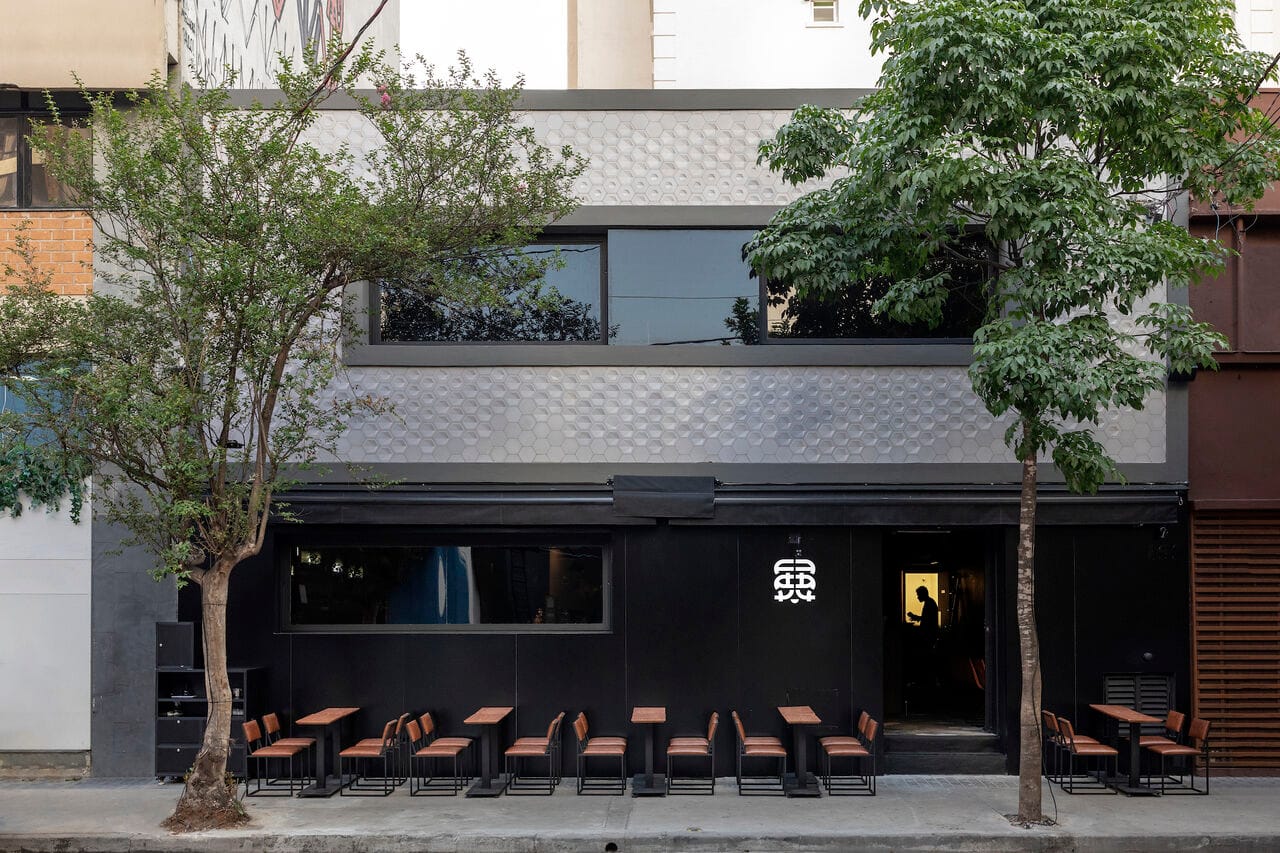
Caio Carvalhaes: Tan Tan started out as a restaurant. At first, it was a noodle bar because that was our owner Thiago Bañares’ first venture. He was a little worried, though: ten years ago there was neither a restaurant nor a bar—let alone a Japanese-inspired one—on our street. He had his doubts, but because he enjoyed drinking, especially cocktails, Thiago decided to carve out a tiny bar area with only three seats. In the very first week a long line formed outside, and we started serving drinks and food right through the window!
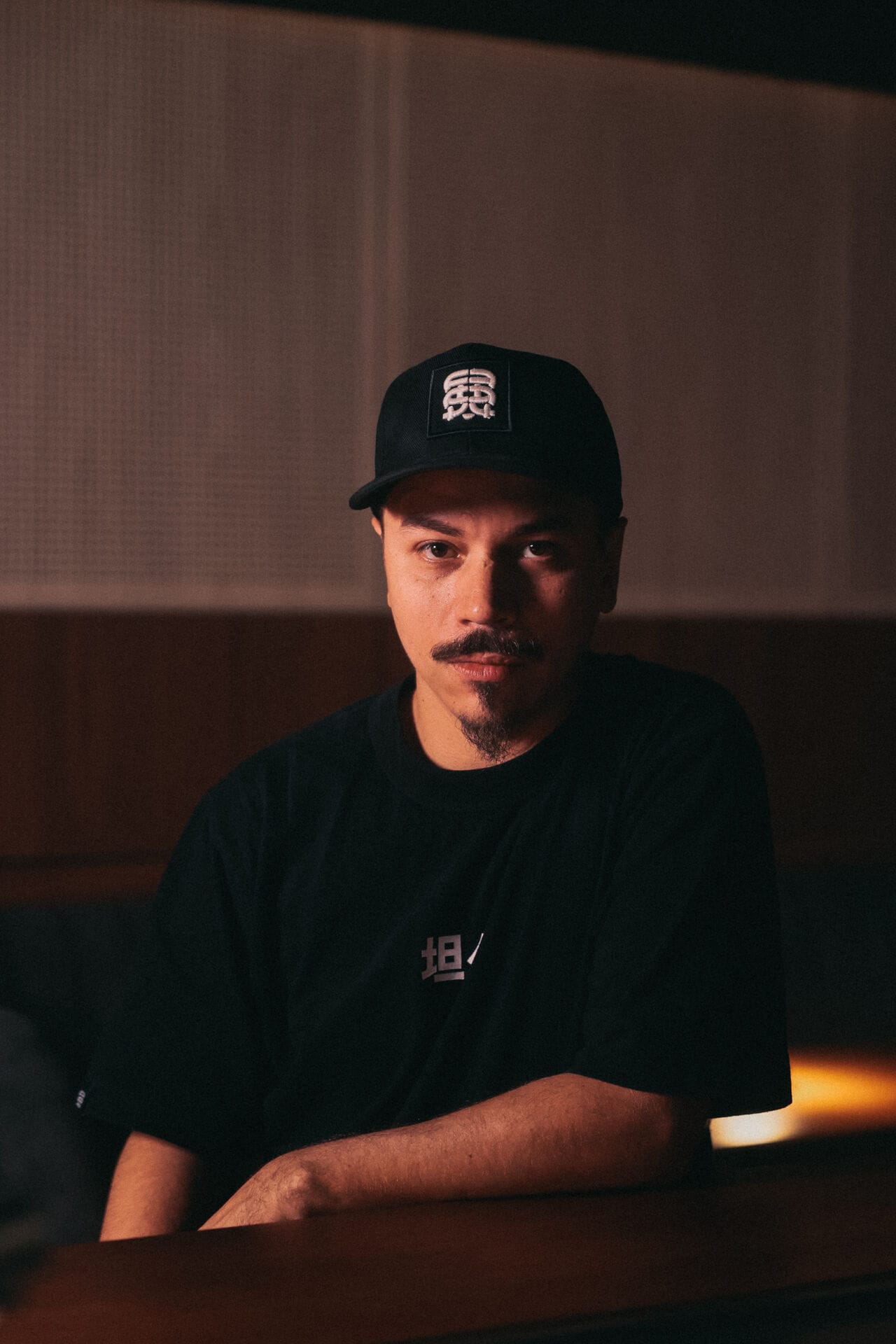
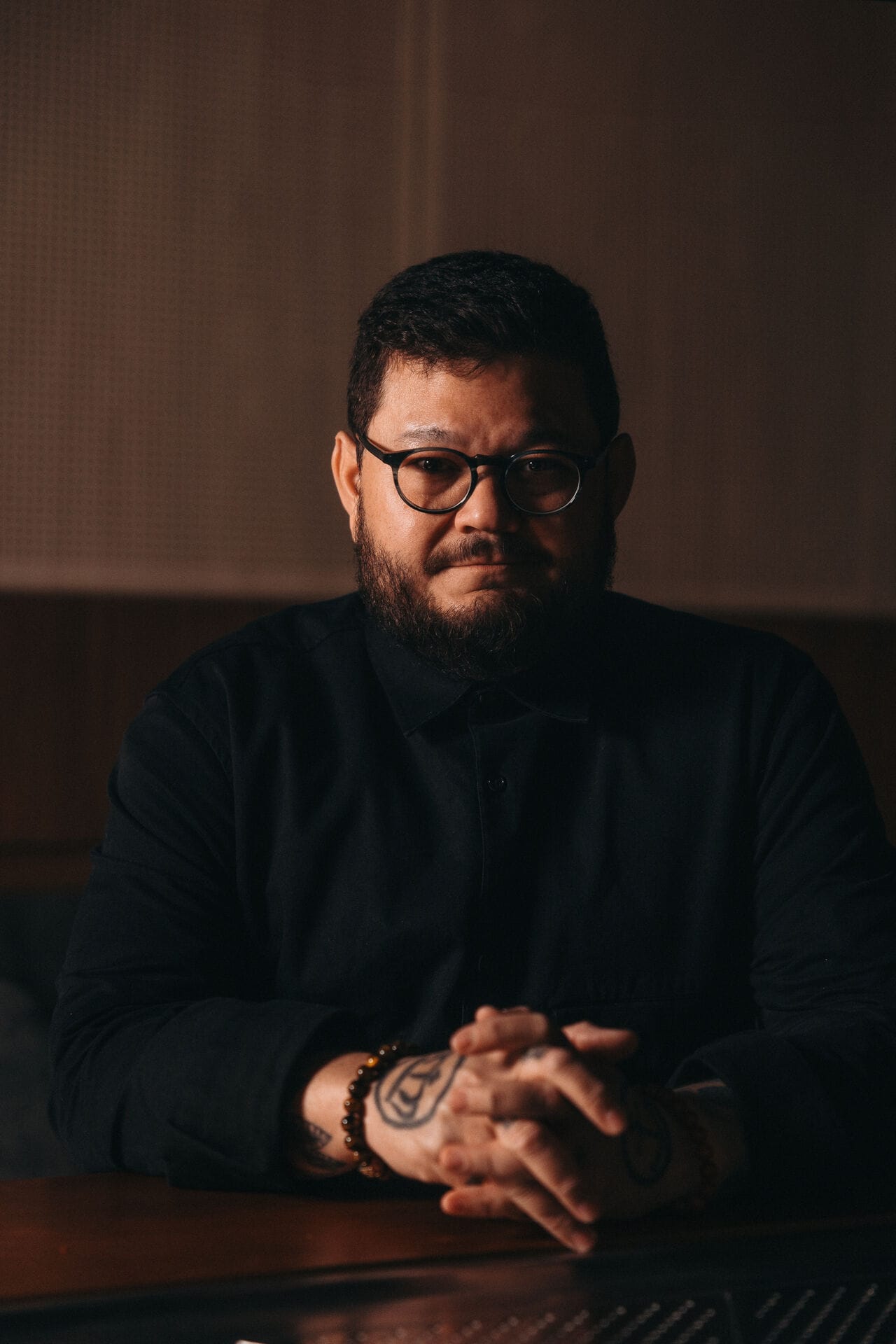
Caio Carvalhaes & Thiago Bañares - Tan Tan, São Paolo - 📷 Juliana Primon
So, Tan Tan was a very small place when it opened ?
Yes: five or six tables and only three bar stools. Then—I'm not sure that’s what changed our trajectory—the first journalist to write about Tan Tan categorized us as a bar. Thiago was a bit upset, but in the end he embraced that identity. Three years later we had the opportunity to rent the neighboring space and expand. At that point Thiago decided the bar should be just as important as the kitchen.
Why did you choose a Japanese restaurant concept to begin with ?
Actually, Japanese influence is huge in Brazil. We have the largest Japanese community outside Japan. In some inland towns you’ll even find villages that are almost entirely Japanese. Our owner grew up in that culture; I believe he’s the nephew of a man who worked in the mines and he has always been around Japanese food. For him, it’s something deeply personal. So when Thiago launched his own project he wanted to cook what he likes and what reminds him of home. That’s why he wanted to offer a style of Japanese cuisine different from what Brazilians usually know—sushi and the like. We serve chūka cuisine, a blend of Japanese and Chinese food. For instance, we make gyoza, but always with our own twist.

Does the cocktail menu follow a specific concept ?
Yes. When Tan Tan started getting some recognition, we wanted to tell our story better. We made it into the 50 Best Bars ranking without really trying, but once we received that honor, we decided to take it seriously.
During those first two years, when the team started traveling, our priority was getting our name out there. We released two menus called Duality I and Duality II that illustrated Tan Tan’s duality between kitchen and bar. We chose five ingredients with two cocktails for each: two Brazilian, two Japanese and one universal. The idea was to explore that duality—for example, one drink might use a syrup based on an ingredient, while the other used an infusion.
Last year we changed direction, thinking, "Now that people know us, why not talk directly about cocktails?"
Over time, we realized that many guests from São Paulo told us they had their first cocktail at our bar.
That inspired us to design a more educational menu, organized by cocktail families (like the Martini family, for instance), so guests could better understand what they were drinking. We also wanted to convey the idea that the guests are at the center of everything—they matter, not us.
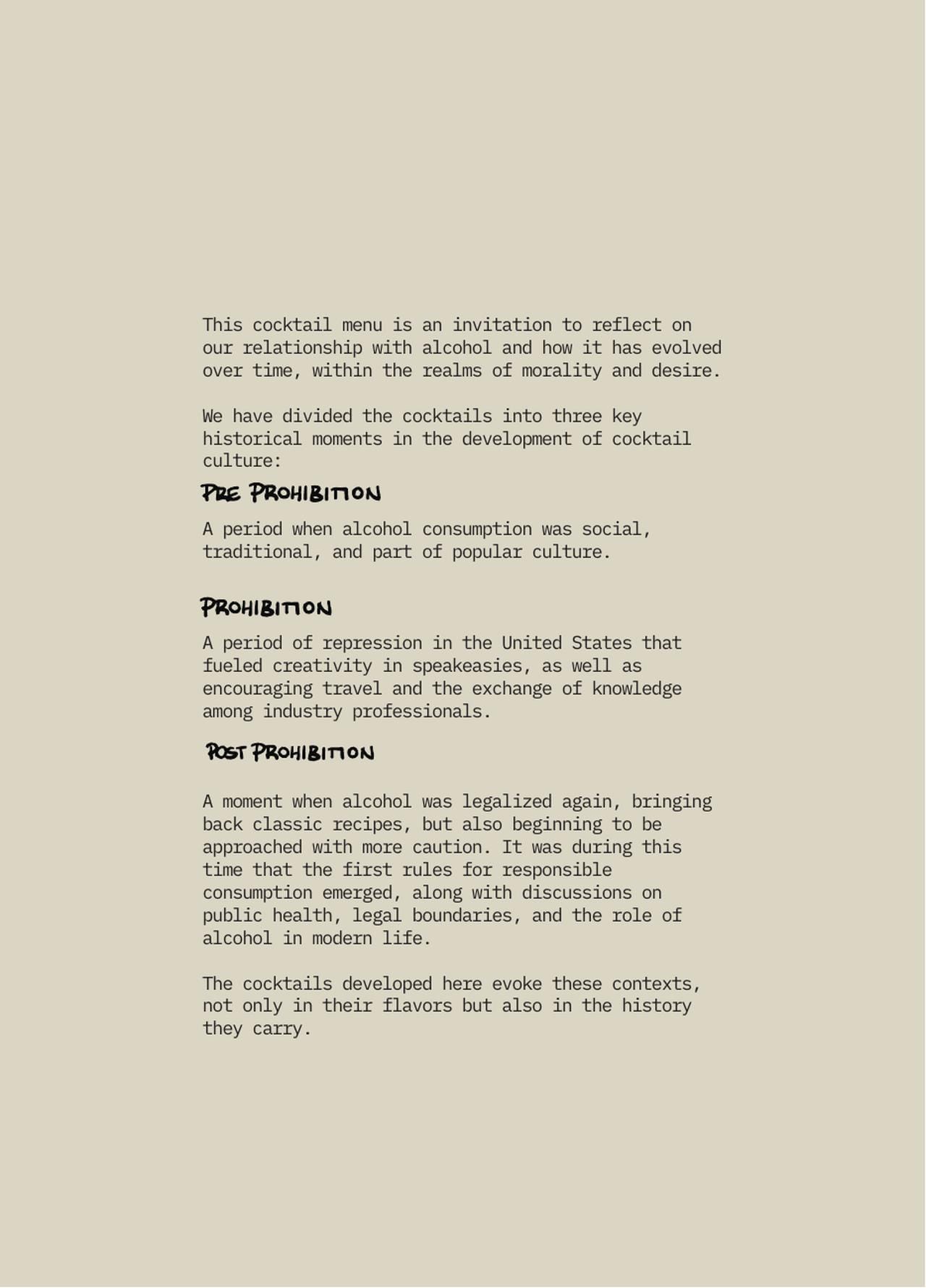
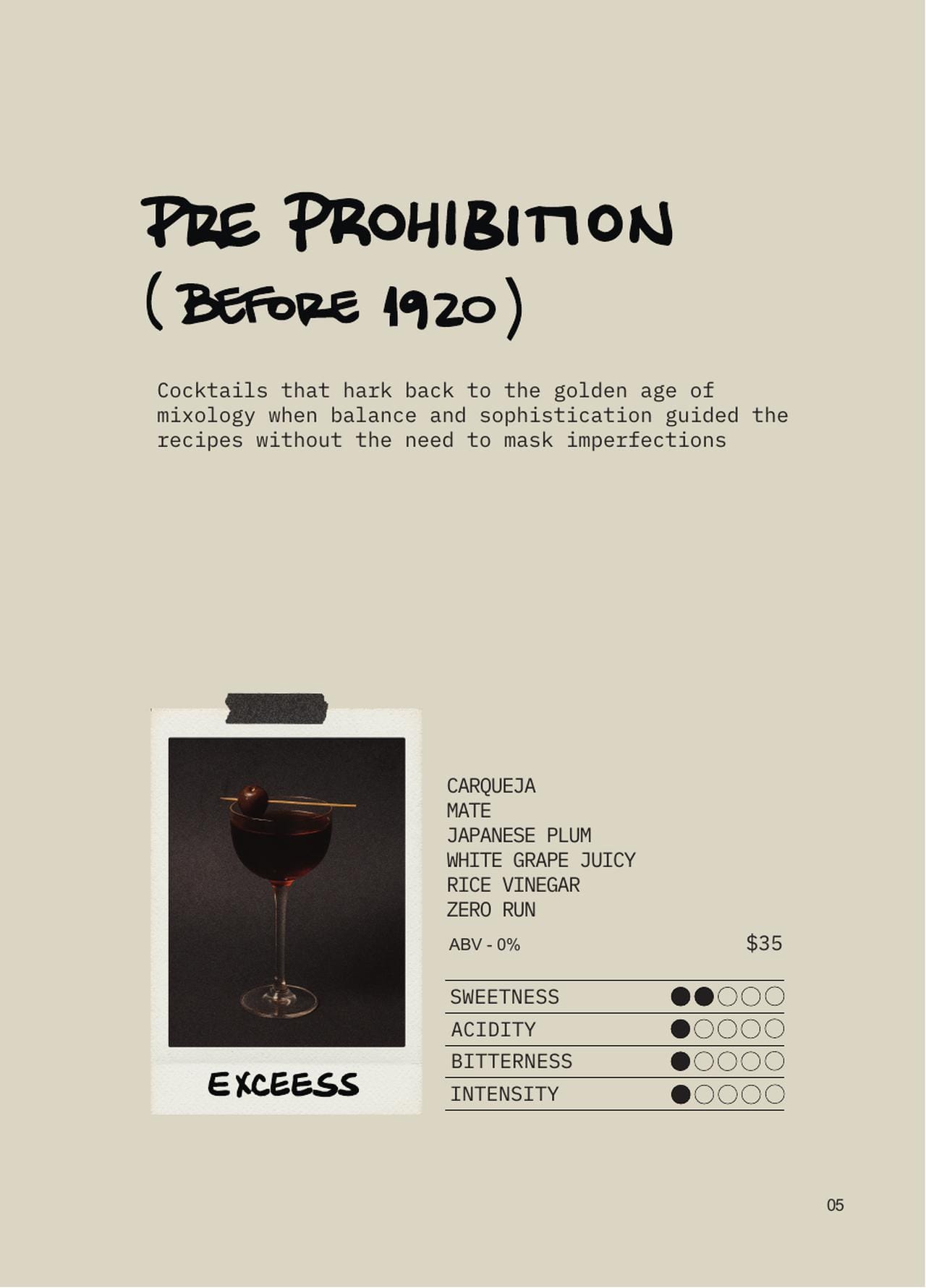
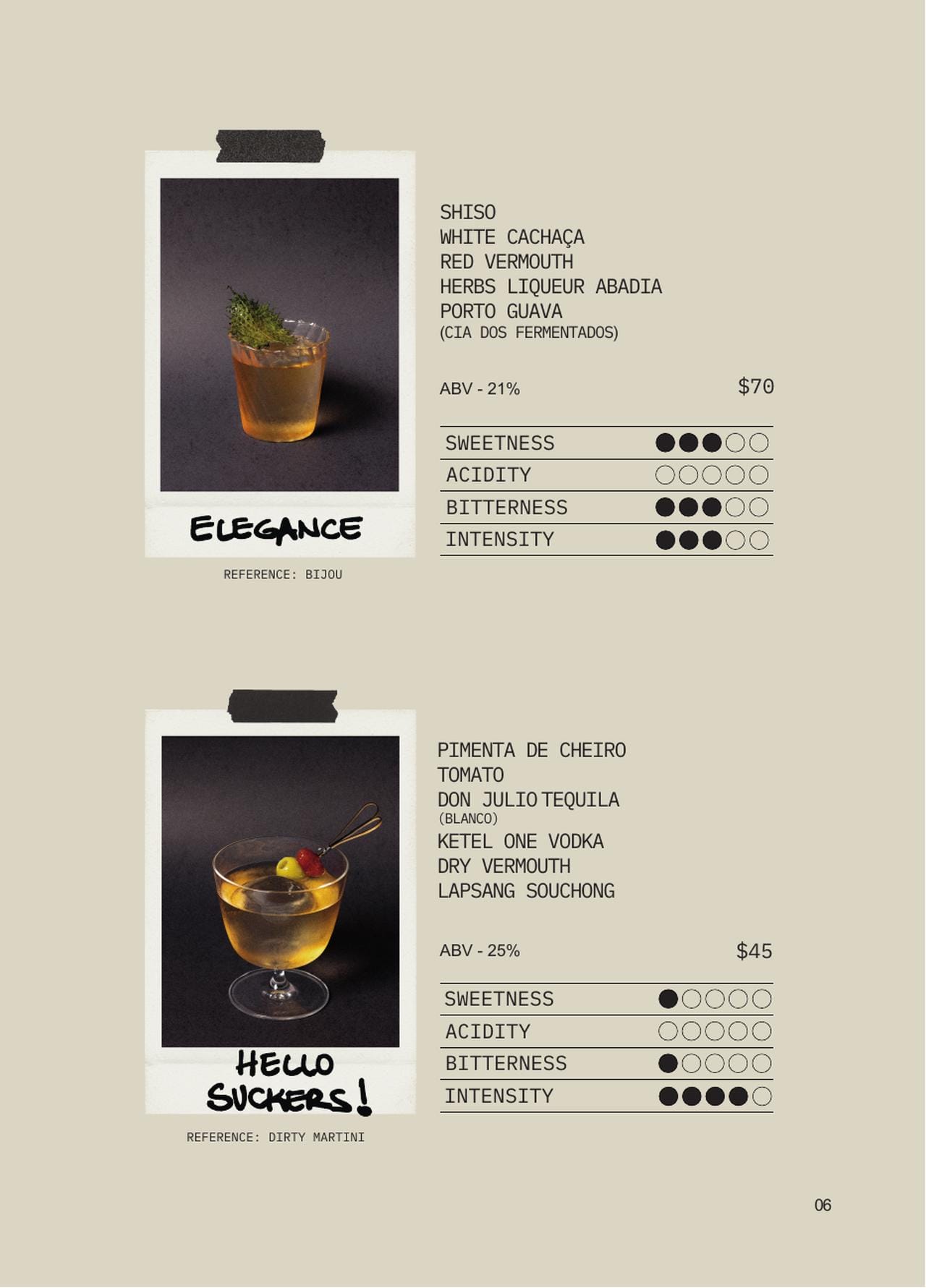
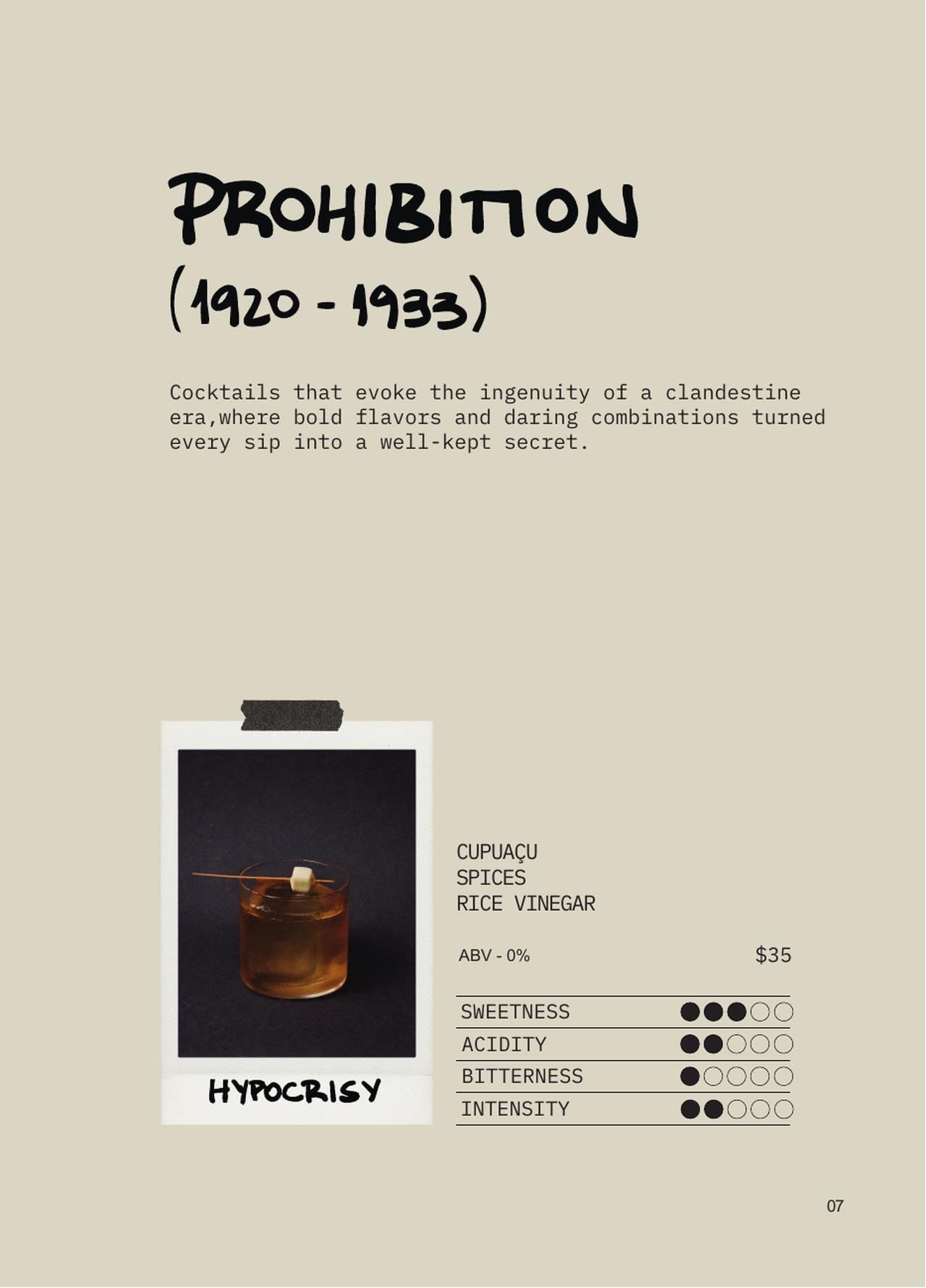
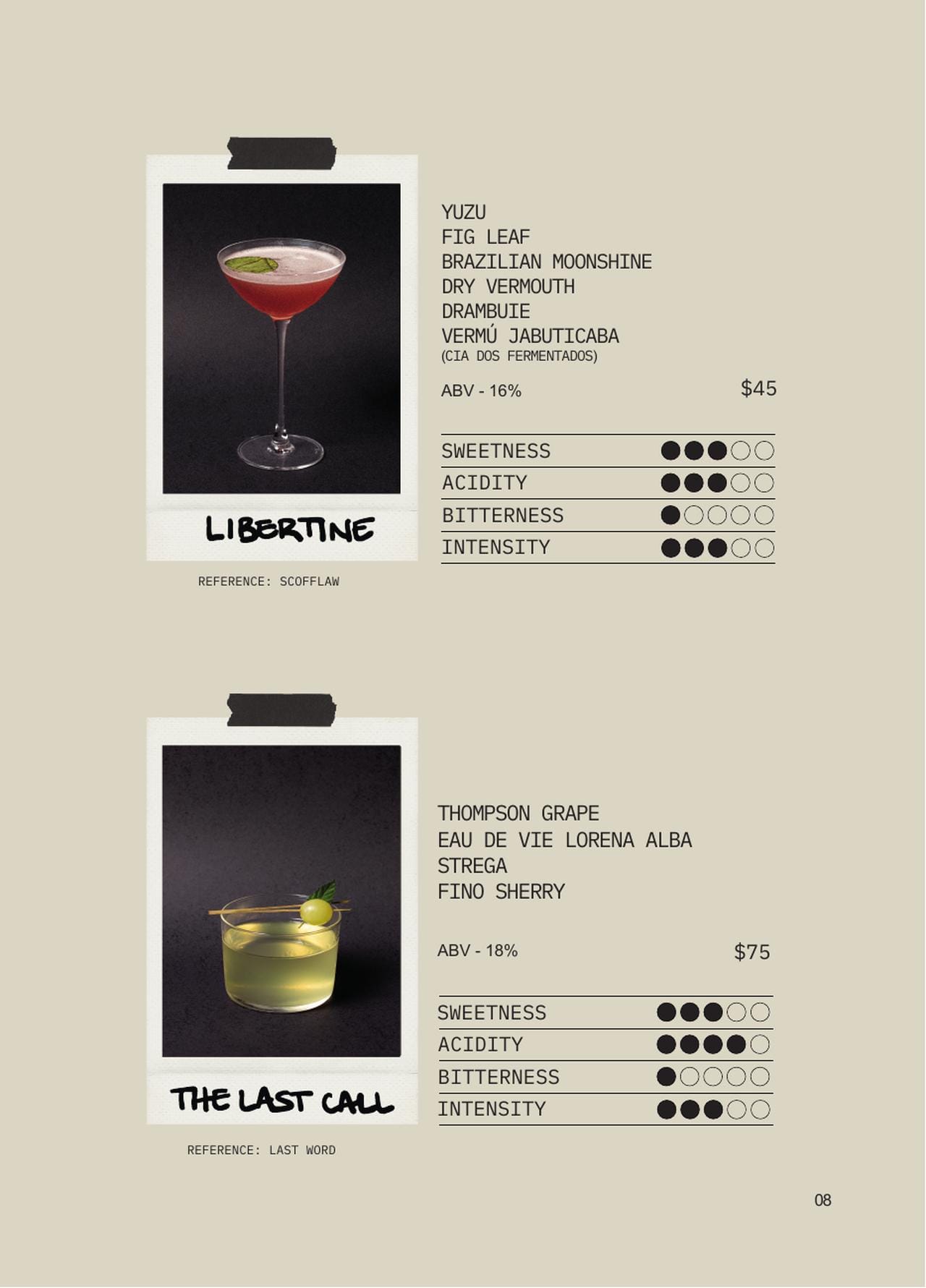
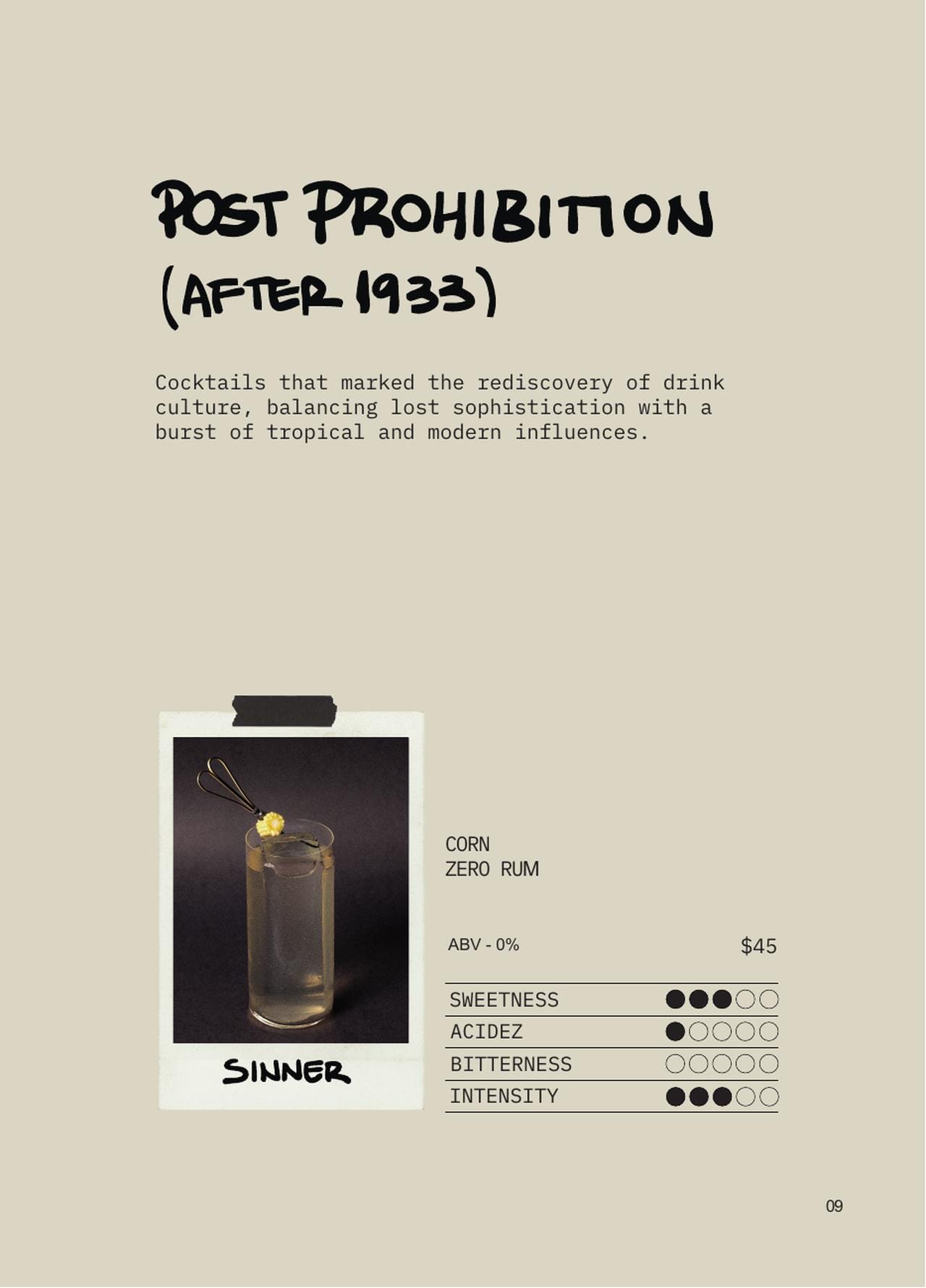
Our current menu, Pour-Hibition, is inspired by the Prohibition era in the United States. We divided the drinks into three periods: before, during and after Prohibition, looking at how cocktails changed—their strength, complexity, and other traits. The aim wasn’t to give a history lesson but to spark reflection on our relationship with alcohol: why do we drink? Why, at a time when it was banned, did everyone keep drinking? We wanted to bring those questions to the bar.


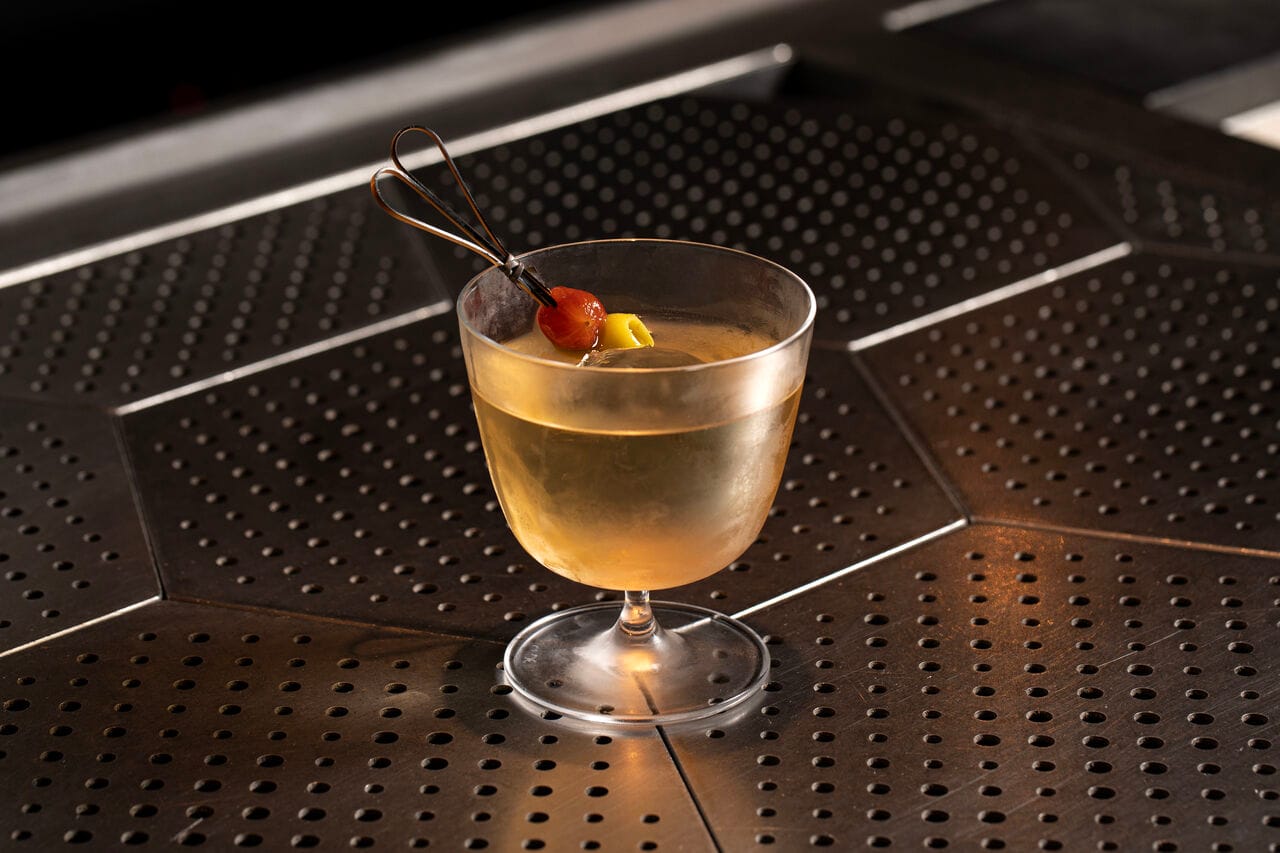
Tan Tan, São Paolo - 📷 Tati Frison
Do you also serve non-alcoholic cocktails ?
Yes. For each of the three periods we created a zero-proof cocktail. We don’t separate them on the menu; they’re simply marked "0 ABV".
Are your influences more Japanese or Brazilian ?
Both. We try to strike a balance. For example, the team uses a Japanese kakigōri ice machine that produces very fine, snow-like ice. We love blending ingredients and techniques from Japanese and Brazilian cultures.
So I guess you use a lot of cachaça, right?
Not that much.
For a long time Brazilians associated cachaça with cheap booze for the borrachos—basically for drunks. But mindsets are changing: more and more bars want to show that this spirit can be refined and fun to work with.
It feels like cachaça has a better reputation abroad than in Brazil ?
Absolutely. Brazilian drinking culture doesn’t really include a strong cocktail tradition. In many bars you’ll see guests with a beer accompanied by a shot of cachaça. When it’s sipped neat, cachaça can intimidate some people.
It’s a spirit that’s still fairly unknown outside Brazil, with most of its production consumed locally. You age it in an incredible variety of woods—many of them exotic—that we’ve never even heard of ?
…even we don’t know them all!
That must create very diverse flavor profiles. Do Brazilian cocktail bars make the most of that ?
I’m not so sure. I believe there are around 30 different kinds of wood approved for ageing cachaça, yet most bartenders would struggle to name ten. Of course, each wood gives the spirit a different profile and we sometimes build recipes around that. For instance, we offer a cocktail made with cachaça aged in amburana barrels, which brings spicy notes. We mix it with cacao-honey to create a Cachaça Sour.
Besides cachaça, are there other typically Brazilian spirits ?
Yes, but they’re quite obscure. In the north, for example, you’ll find “tiquira,” a spirit distilled from cassava (Ed. note: it’s the oldest Brazilian alcohol). But in São Paulo almost no one knows it.
Is the Caipirinha still popular ?
Very much so. It’s refreshing. But these days people order Caipiroskas (Ed. note: made with vodka) more often than traditional Caipirinhas.
It doesn’t taste the same!
Right, you could even say it has no taste at all (laughs)! You’ll even find Caipisaké…
Are there other classic Brazilian cocktails? I’ve heard about the Rabo de Galo.
Yes, the Rabo de Galo is probably our first classic cocktail. It dates back to the 1950s, when the brand Cinzano wanted to promote its vermouth in Brazil. “Rabo de Galo” literally means “cock-tail”. It’s a kind of Manhattan re-imagined with cachaça instead of whisky.
Cachaça and vermouth ?
Vermouth or Cynar.

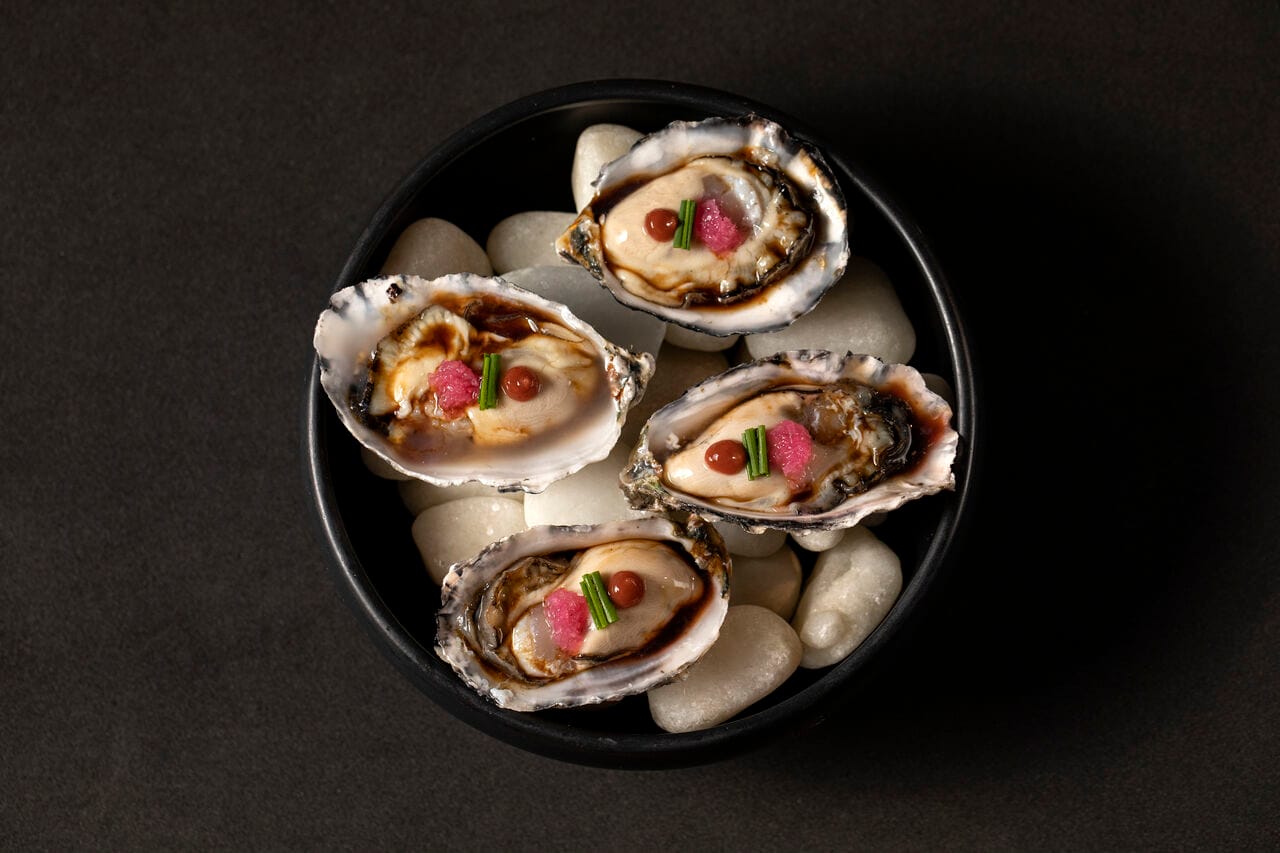
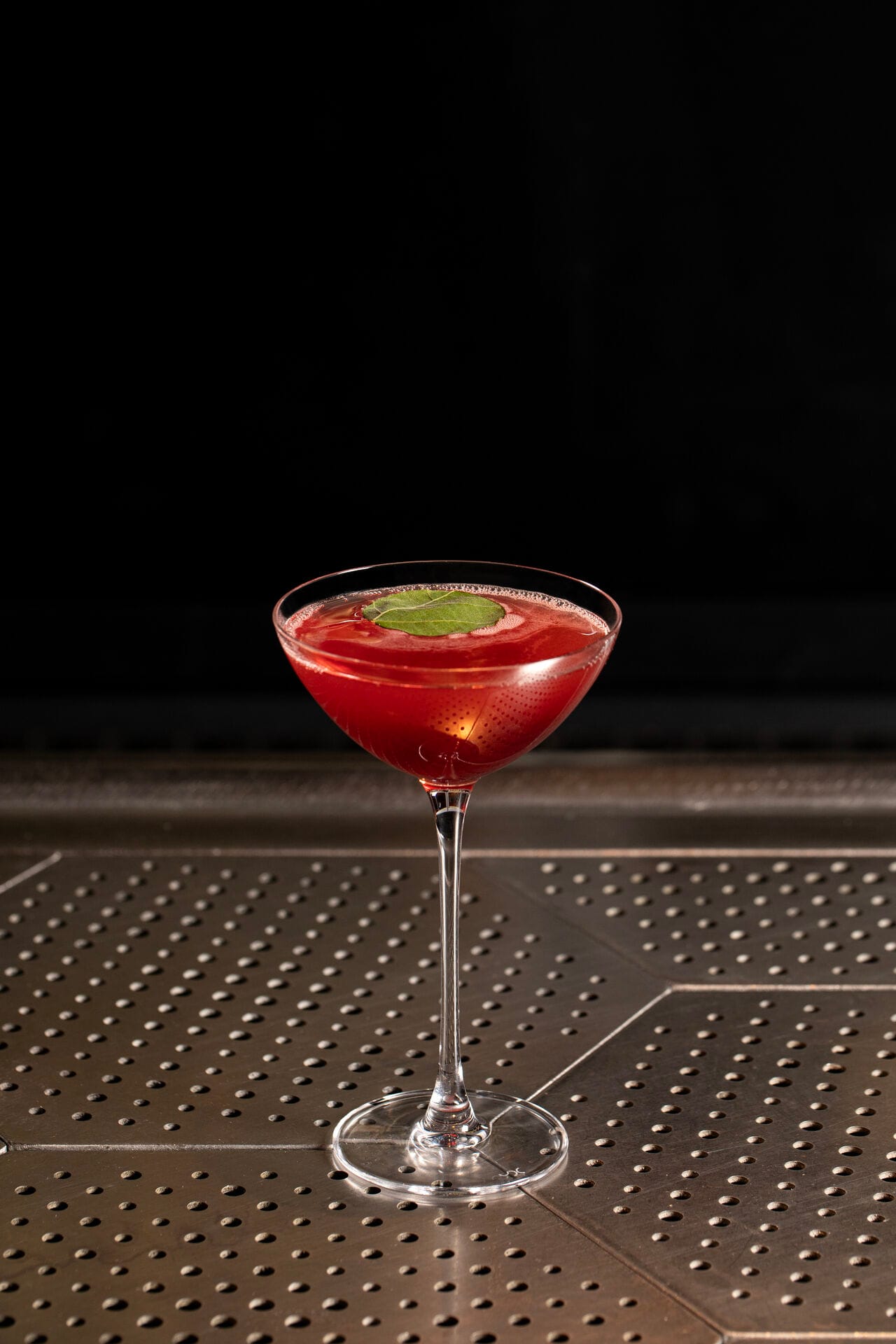
Tan Tan, São Paolo - 📷 Tati Frison
I’ve seen recipes that use all three ingredients, a bit like a Negroni but not in equal parts…
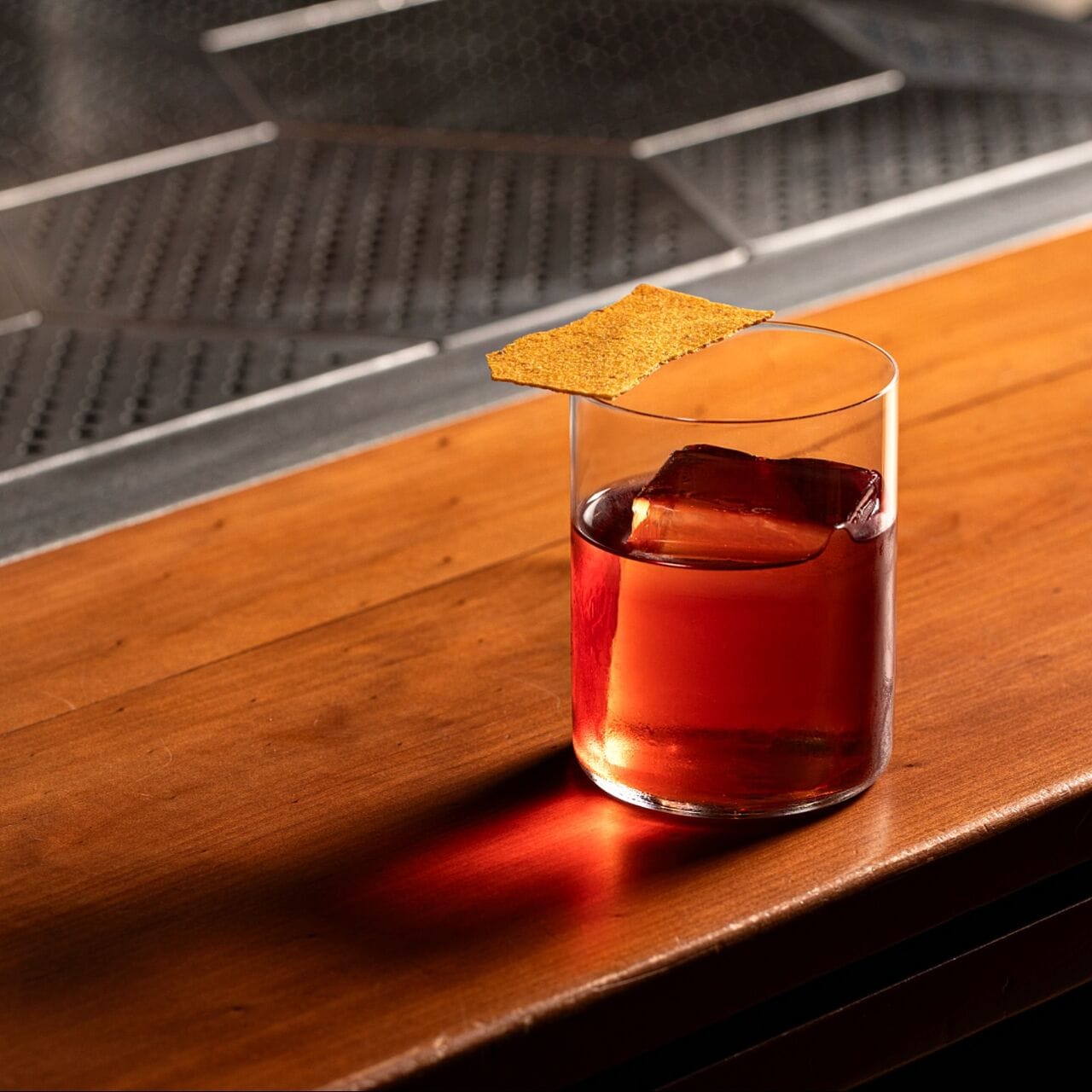
That’s exactly how I make my Rabo de Galo ! In fact, on almost every street corner you’ll find little bars called “botecos” that sell cheap cachaça, and you can buy a Rabo de Galo there for the equivalent of about fifty euro cents. It’s served without ice in a small glass and people knock it back before going to work. And then there’s the cocktail-bar version, Negroni-style, with a big clear cube—it’s obviously a different experience. Right now, another cocktail that’s especially popular is the Macunaíma, basically a Cachaça Sour with a splash of Fernet.
But I believe in Brazil it all really began with the Batidas, drinks made with cachaça, condensed milk, ice and a flavor component (fruit juice, coconut, etc.) blended together. Those are probably the true origins of our cocktail culture, which really took off in the 1960s.
By the way, what’s the oldest bar in Brazil ?
That’s a really good question! I’m not sure I have the answer. We do have a few bars that are 20 or 30 years old… One that still exists today is Riviera (Ed. note: opened in 1949). It must be the very first. During the hard times we had in the 1960s (Ed. note: a 1964 military coup that established a dictatorship until 1985), a lot of people gathered there to talk politics, current events and culture.
Was there no hotel-bar culture, at least for tourists ?
Not really. I believe the first Brazilian bar to appear in the 50 Best was a hotel bar, but we don’t have that tradition—although that’s changing now: there’s a Rosewood hotel in São Paulo as well as the Palácio Tangará, whose bar is very well known. Still, in some places, if you order a cocktail they’ll serve you just about anything.
Do you see a difference between the cocktail scenes in Rio and São Paulo ?
The fact is São Paulo is huge. It’s Brazil’s economic capital. Rio is much smaller by comparison.
I don’t know whether it’s tradition or the climate, but in Rio people drink very few cocktails.
I know bar owners who had to close because they just didn’t get enough traffic. Sometimes it’s because prices are too high for locals, or because they’d rather spend the same money on four beers!

So São Paulo currently dominates the Brazilian scene ?
Yes, in my opinion—largely because of the city’s size. Something is definitely happening in Curitiba (Ed. note: the capital of Paraná state), a bit farther south, but right now the spotlight is on São Paulo. The scene here is booming and in recent years several good bars have opened. When Tan Tan started out, some places already aimed to serve quality drinks, but they lacked the necessary expertise.
Recently, guests have become familiar with cocktails and understand the culture better. That, in my view, explains much of São Paulo’s energy.
Tan Tan has now been open for ten years. What’s the secret to longevity: following trends or staying true to your original style ?
For me it’s first and foremost consistency in quality and hospitality. No one walks into a cocktail bar expecting a mediocre drink, so that’s the bare minimum. After that, the difference comes from attention to detail and to the guest experience. That’s what we do at Tan Tan.
Guests don’t come back if they think their next experience will be worse than the first. You always have to do at least as well, with the mindset of constantly improving.
Is your clientele mostly Brazilian or international ?
I’d say it’s roughly 50/50, though it changes with things like holidays or even the weather. It’s probably linked to our rankings (Ed. note: 24th in the 50 Best Bars and 19th in the TOP 500 in 2025), but these days many foreigners visit us. That’s important because it pushes us to highlight Brazilian culture, especially through cachaça.
Do you have signature cocktails at Tan Tan ?
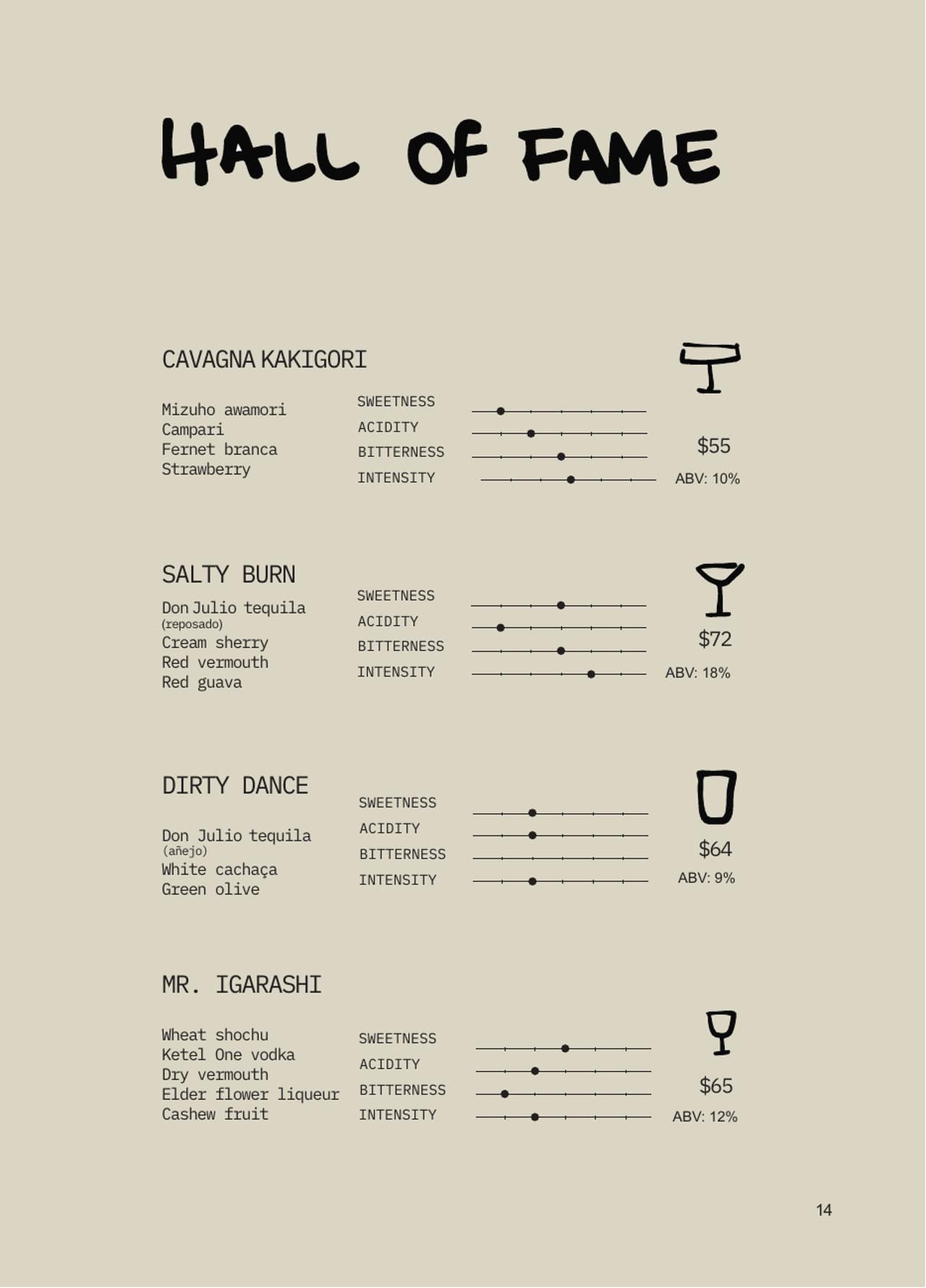
Yes, we always have a special section on our menu—a kind of Hall of Fame—with four or five drinks from our previous list that we keep.
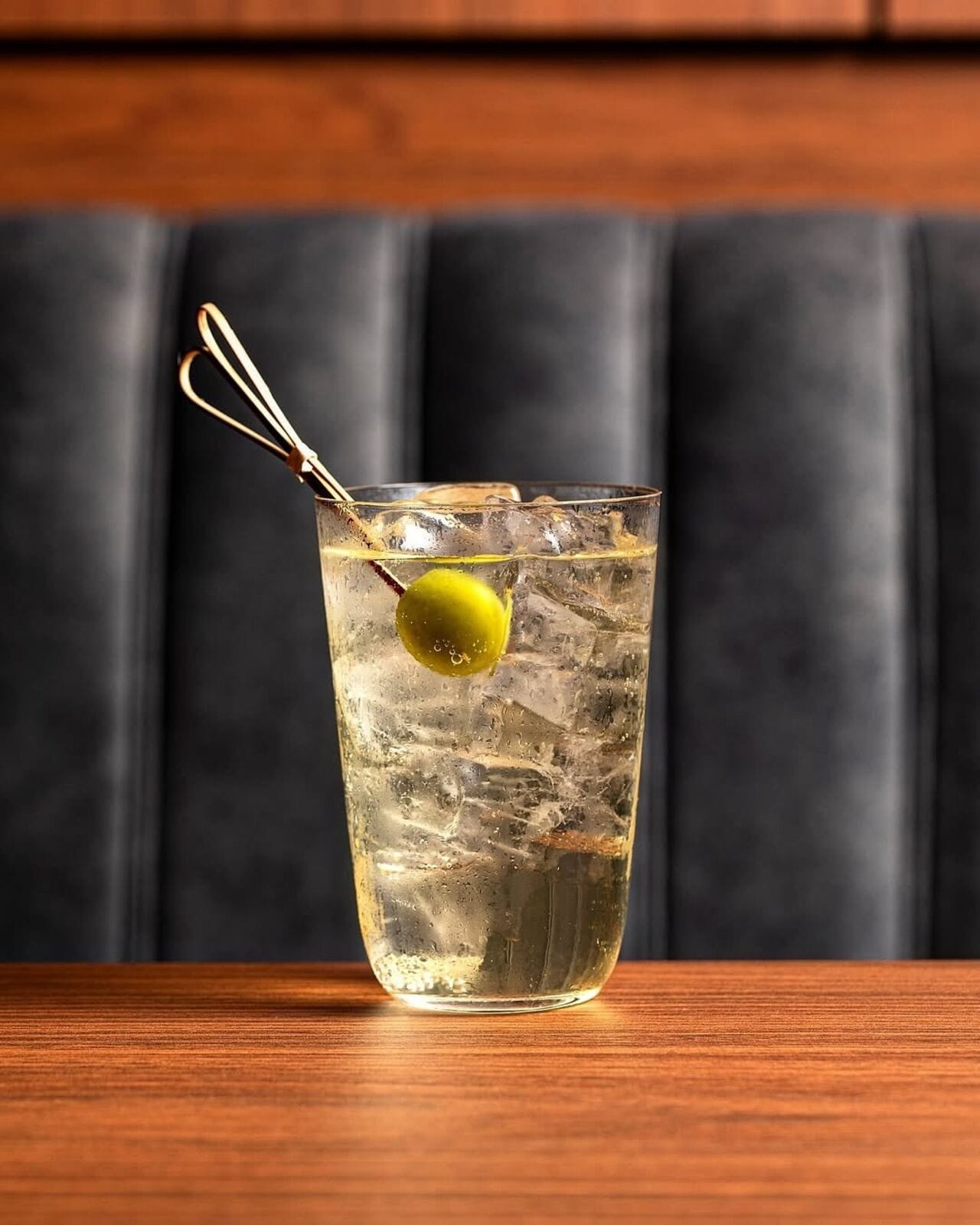
What about a cocktail that’s been on the menu since day one ?
A few drinks, but they’ve evolved a lot. We started with the Dirty Collins — basically a Dirty Martini turned into a Collins. Over the years the team refined the recipe, clarifying the first syrup we made and turning it into an olive soda. So today it’s a different cocktail, but it’s still based on that early Tan Tan creation.
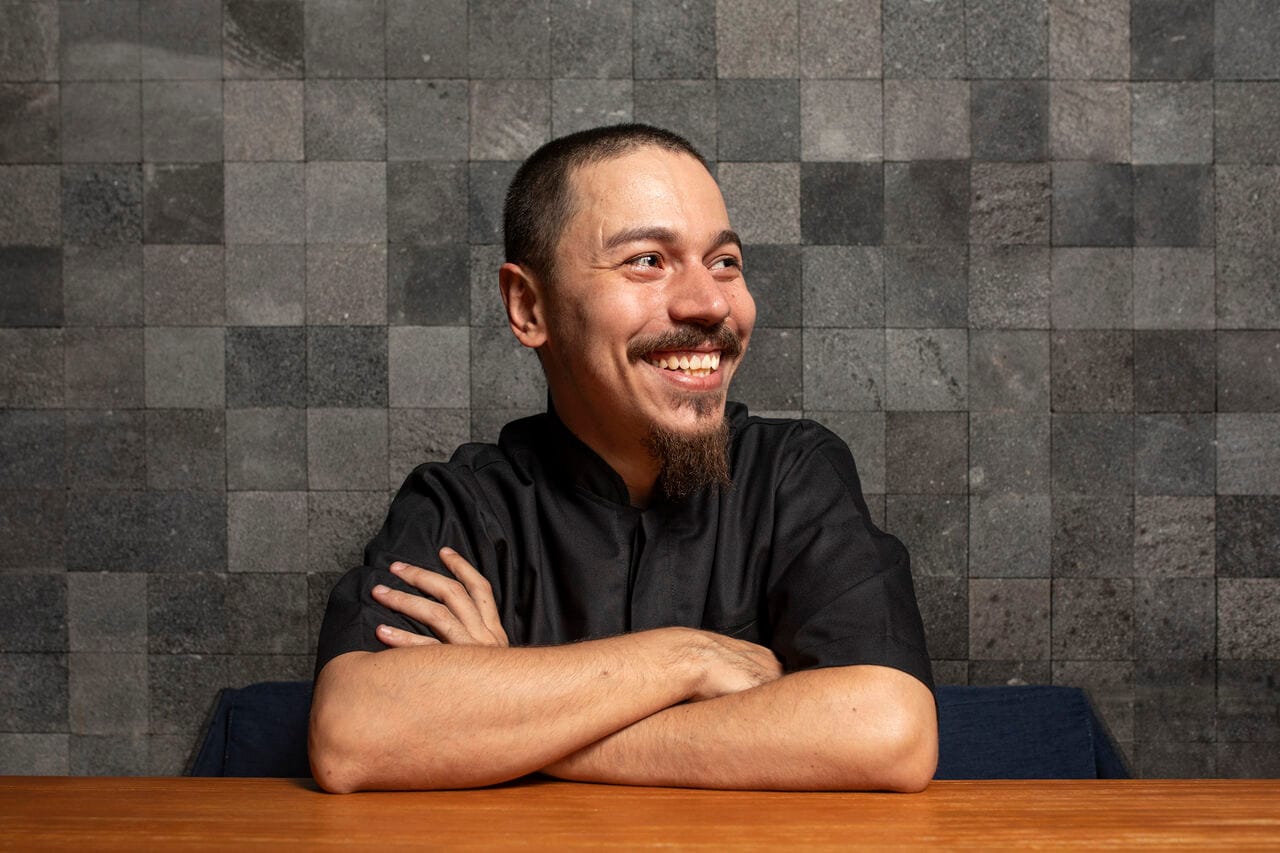
Let’s finish with your personal journey. How did you become a bartender ?
I studied oil painting, but I didn’t like the art market. So I started working as a server. I loved cooking, yet I quickly realized it was more a hobby than a true calling. Besides, I preferred direct contact with guests: being able to talk to them, create something, then see their reaction right away.
My first manager lent me four or five books and trained me a little. Gradually I took on more responsibility—opening and closing the bar, and so on.
I met Thiago Bañares, the owner of Tan Tan, in a burger shop where he was the chef. We worked together, and eventually I became the venue’s head bartender. Then our paths diverged: I joined a real cocktail bar—where I learned a lot—while Thiago went off to open Tan Tan. That was ten years ago. A few years later we got back together and I’ve been working with him for three years now.
Menu - POUR-HIBITION