Classique unveils its Cépages Vol. 3 menu
Classique, which celebrated its fifth anniversary last May, is rolling out the latest version of its Cépages menu. For Jigger Daily, bar manager Romain Robic breaks down the lineup and offers a preview of where the next menu is headed.
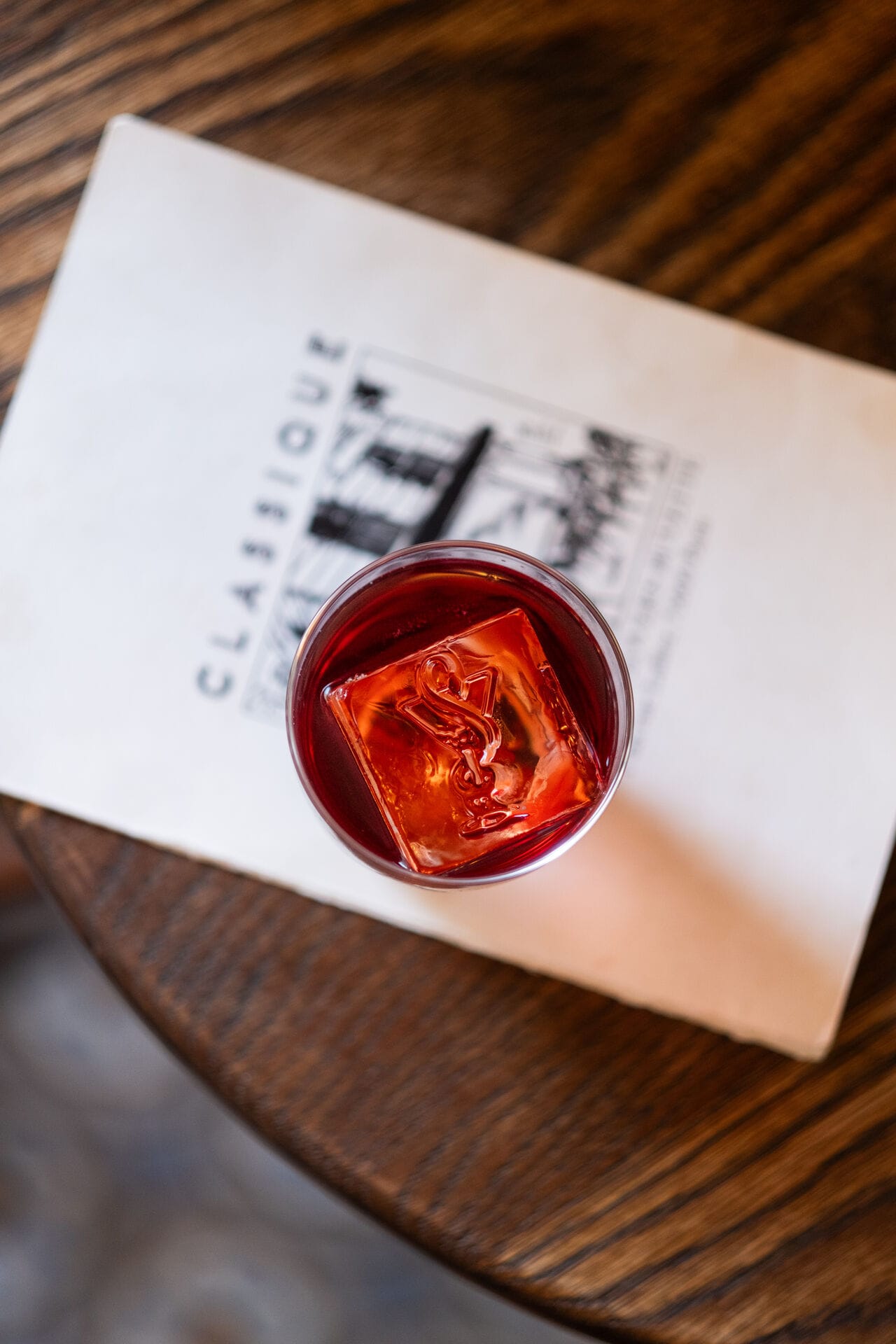
More than just a themed menu, Cépages has defined Classique’s identity since early 2024: each cocktail features a different grape variety, used in its own way. Among the 13 cocktails on the menu, only the Dirty Martini – Savagnin remains unchanged. "It really is the signature cocktail on the Cépages menu, the one that best captures, for us, what a cocktail built around wine and its flavors can be," says bar manager Romain Robic.
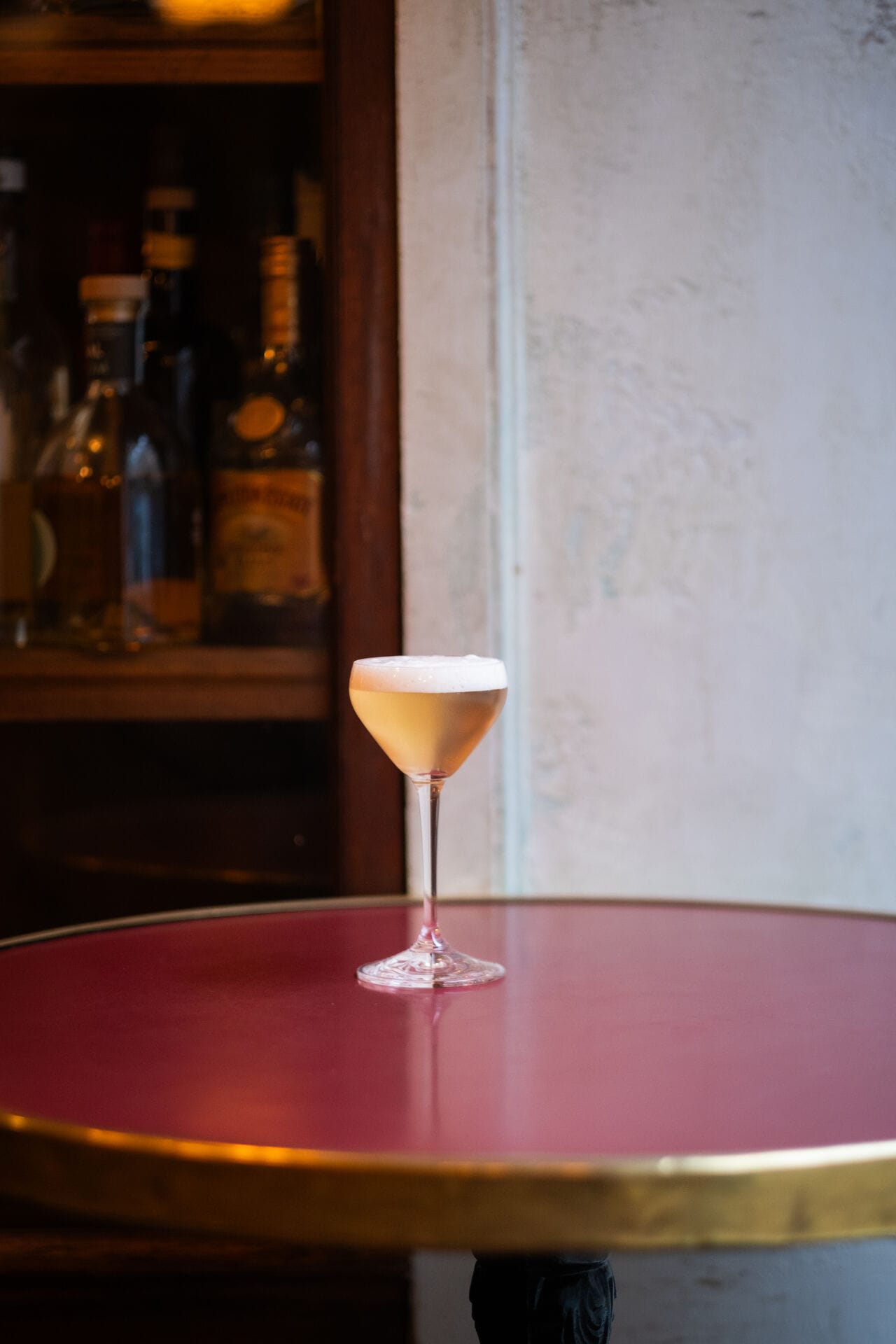
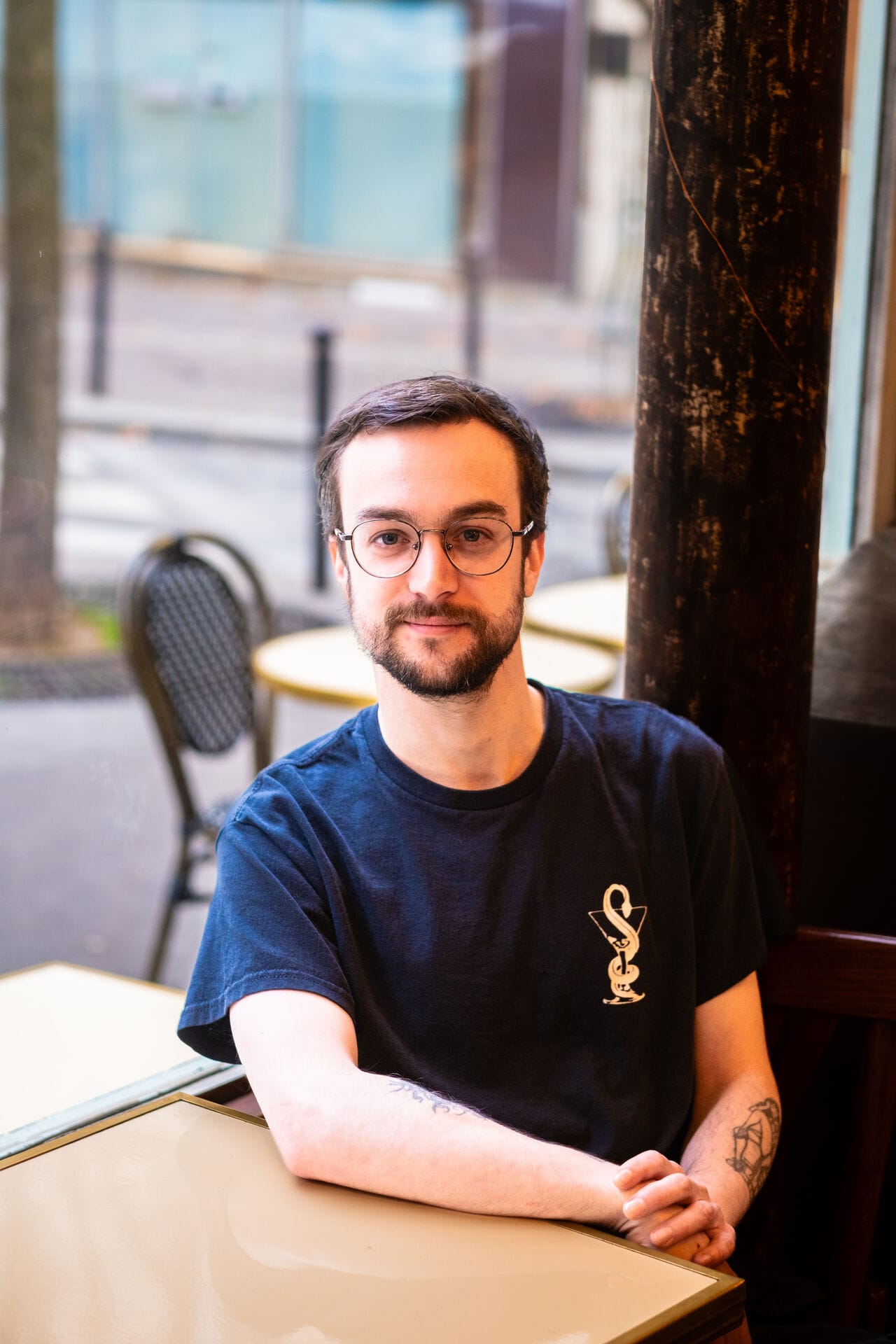
Is it difficult to work with wine in cocktails? "We had to get to know this ingredient and learn how to stabilize it. The natural wines we use keep evolving in the bottle, but we need the flavor to stay consistent," explains Romain. "We spent the first two years doing research and experimentation, and having lots of conversations with winemakers, to figure out how to use the wine without stripping away its character. In the end, very few drinks on the menu use the wine as is. Generally, we turn it into cordials or syrups. We also make a lot of liqueurs, and we often clarify wines in a centrifuge - especially reds - to remove tannins without altering the flavor."
Cépages Vol. 3 opens with a series of summery cocktails: a bright, refreshing Sour built around makrut lime leaf and watermelon, and a reworked Bellini with lightly umami notes of vine peach, dried tomato, and oregano, topped with Champagne. The Spritz, meanwhile, is all about freshness and citrus, with real lemon depth and a lightly saline edge from capers, along with a Melon de Bourgogne Muscadet liqueur, a gentian bitter, and sage water. It was designed in part to pair with the seafood dishes served at Classique. Finally, the Cobbler combines a rosé Grenache liqueur with melon and cardamom and a blend of sherries that bring their signature oxidative notes.
Another riff now commonly seen in Paris cocktail bars: the Mauresque. "It’s very fresh, a little summery. The texture is soft and foamy, almost creamy. We decided to build the Mauresque around a fennel wine liqueur. It gives the drink a lovely fennel richness - more fennel seed than anise. We pair it with a pine nut orgeat and a lavender bitter to bring in a floral touch. This cocktail almost tastes like Moroccan gazelle-horn pastries," explains Romain.
The Vieux Carré, meanwhile, is one of the few truly decadent cocktails, built around a sour-cherry Syrah liqueur, toasted almond water, and a mix of aperitifs, including Port. The whole blend is then brown-butter-washed, bringing out toasted-almond notes as well as pastry-like flavors reminiscent of clafoutis.
Another cocktail-bar staple: the Espresso Martini. Here, a Syrah-based coffee liqueur gets a twist from a flower-pollen foam. It brings slightly green notes and a fresher profile than the previous version on the menu, which was more decadent.
Then come the stronger drinks: the Piña Colada is built around a charred-corn cream, with a touch of mezcal, a blend of several rums (including Planteray Cut&Dry and Stiggin’s Pineapple), and an orange-wine cordial flavored with lime and curry. "It’s our fun cocktail on the menu, somewhere between a Piña Colada and an Indian lassi," says Romain with a laugh.
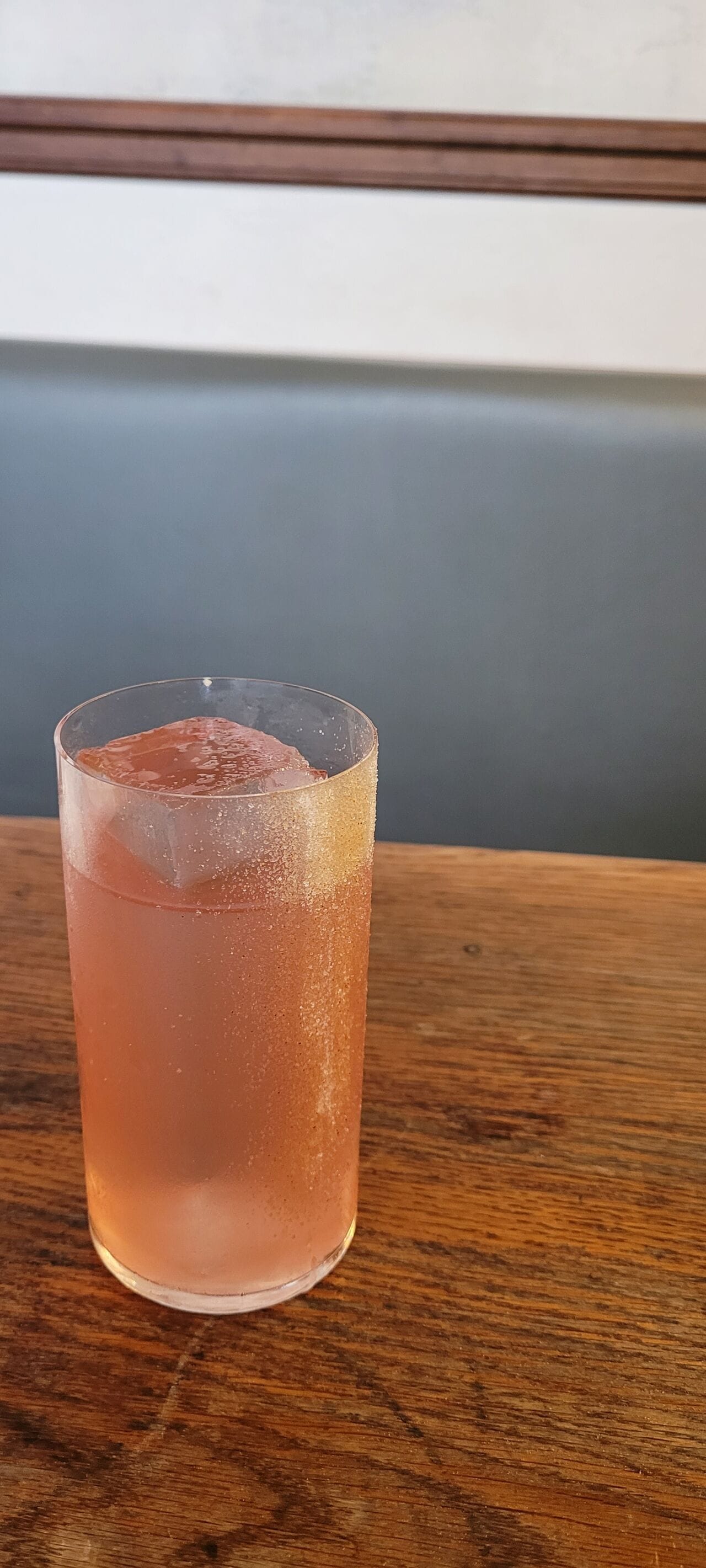
The Paloma is built on tequila and Calvados. A generous pour of orange wine made from Gewürztraminer, with pronounced pineapple and mango aromas, is paired with Mexican marigold (similar to tarragon, ed. note). Galangal water, grapefruit oleo, and grapefruit liqueur round out the recipe, while a garnish of salt and sugar blended with several chilies gives it a lift. The drink is then carbonated.
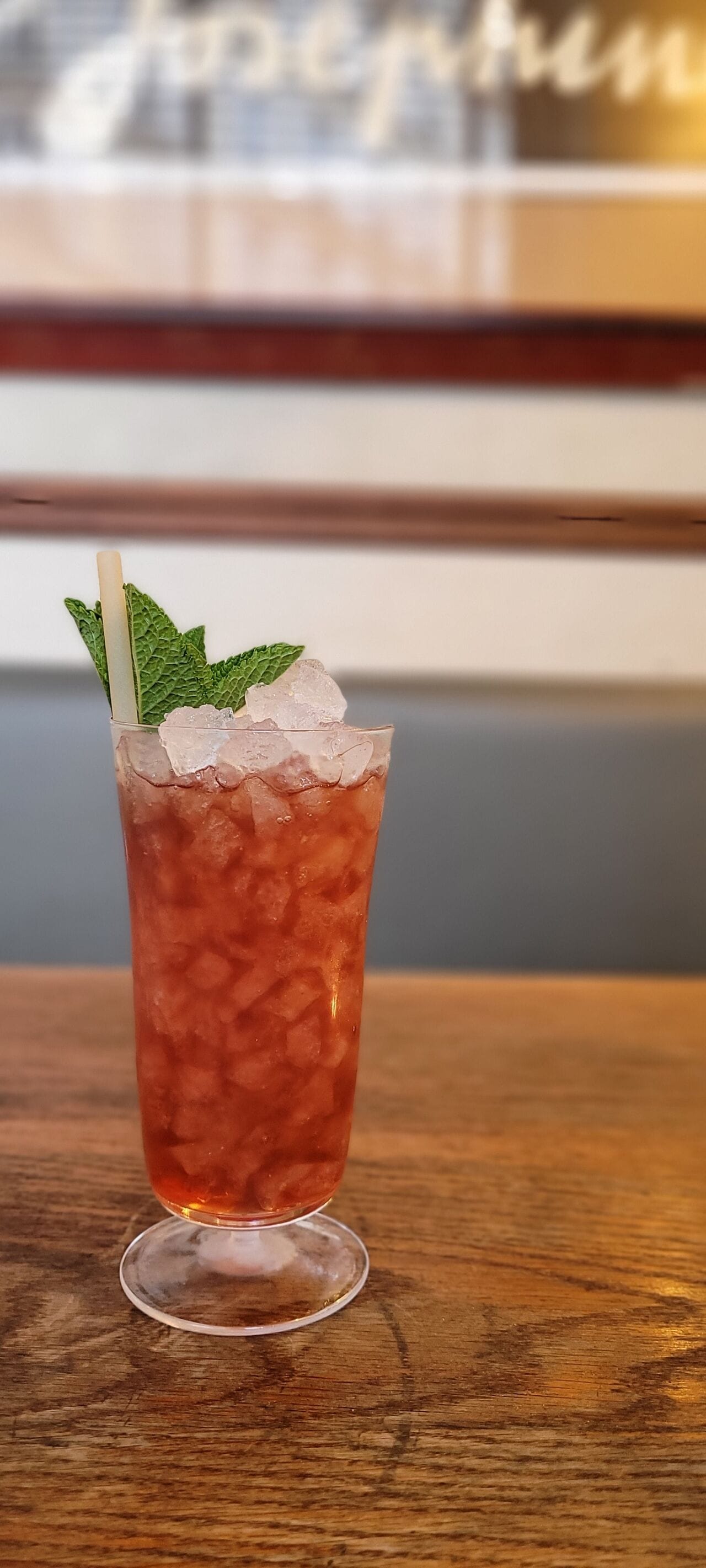
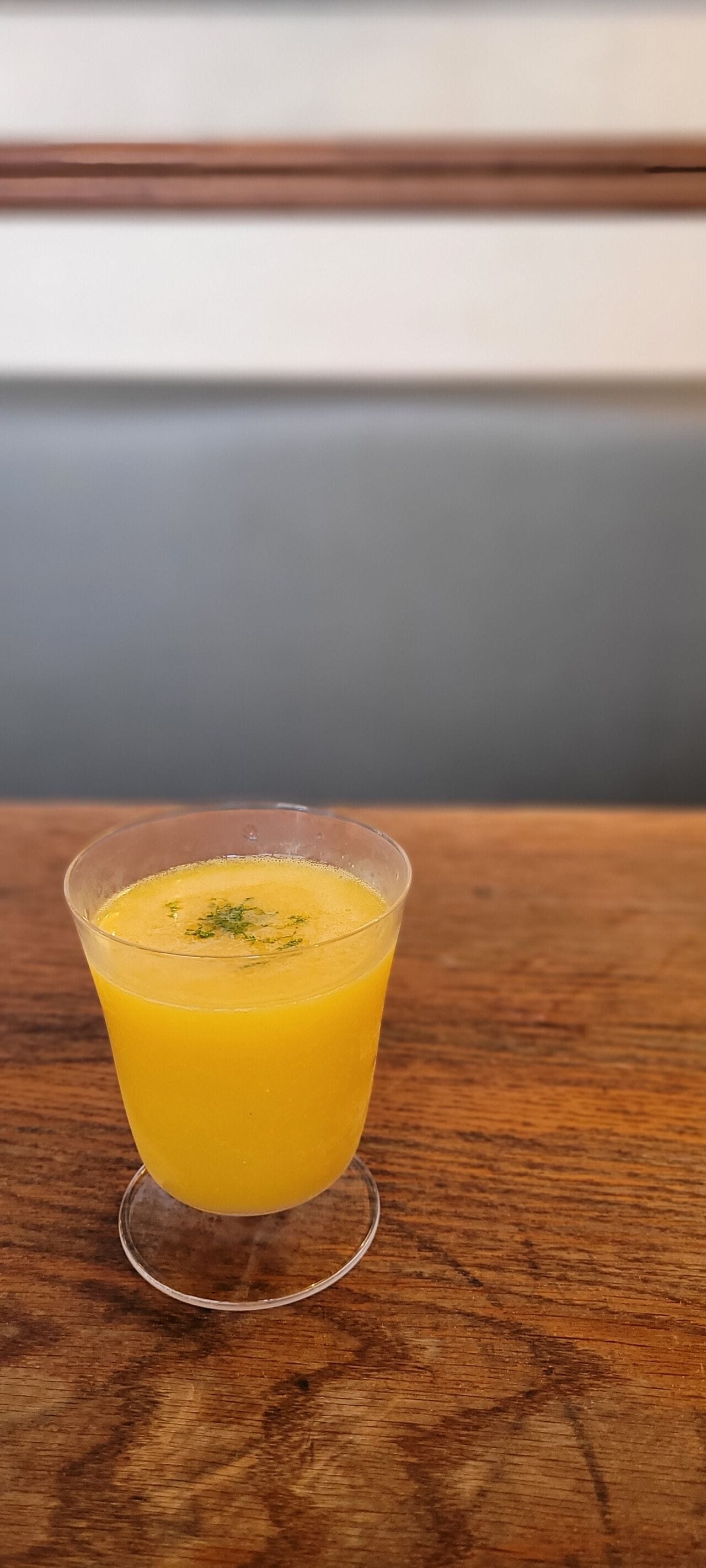
The Negroni is made with a red-bell-pepper-infused pinot noir liqueur and Nikka gin. It also includes a mix of vermouths and smoked paprika, and it’s diluted with mint water. The bell pepper note comes through clearly.
Finally, a floral, citrusy Gimlet rounds out the new menu. The vodka is paired with a Riesling turned into a bergamot-infused, limoncello-style liqueur. Green apple cordial and a little marjoram add an herbal edge.
How did the winemakers react to their wines being used as cocktail ingredients? "We work exclusively with natural winemakers, who tend to be younger producers and a little more open to new ideas - and therefore more open to seeing their wine transformed. At first, they had a little trouble wrapping their heads around it. The key is to let them taste our cocktails. Now it’s going much more smoothly, and some winemakers actively want to collaborate with us. In fact, some estates in Alsace have been with us from the beginning.," explains Romain.
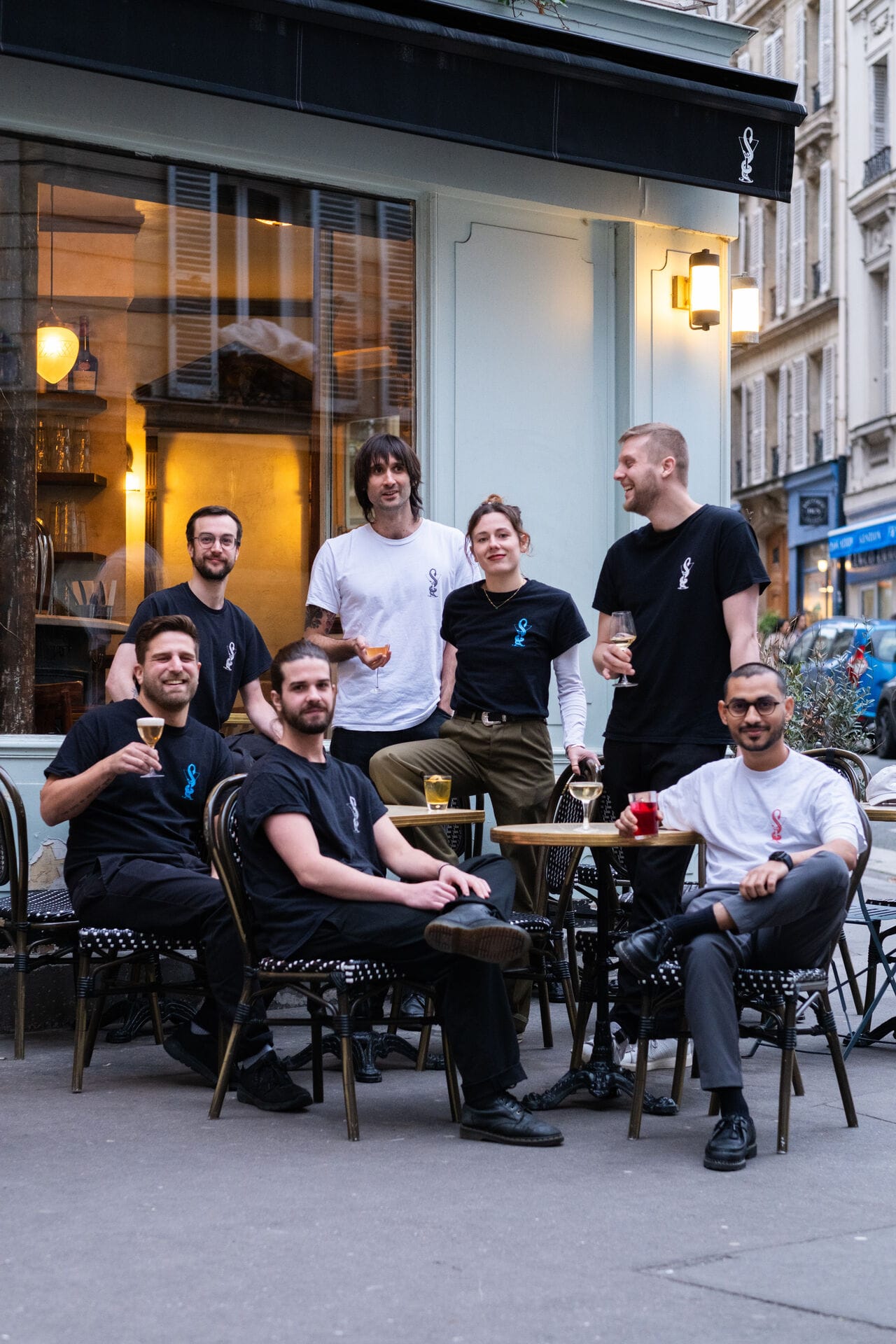
Going forward, the Classique team plans to focus on a single terroir for each menu: "The next iteration of Cépages will actually be a menu centered on Alsace," reveals Romain. "A lot of our winemaker friends, whom we love working with, are based there. Our goal is to build an entire menu around Alsatian terroir and its wines. There will be just as many cocktails, but probably more than one drink for each grape variety, explored in different ways. We’re going to collaborate with four or five partner vineyards, develop our own cuvées, and - if all goes as planned - start offering cocktails aged in used wine barrels from those estates." Look for it in October!


