Anatomy of an award-winning menu: the Britannia method
Voted Norway's best cocktail menu in 2025, Portraits of Britannia turns ten figures from Trondheim's history into cocktails. After two days on site, we break down the Britannia Bar's method, from library research to flavor anchoring through ingredients and scalable preps.

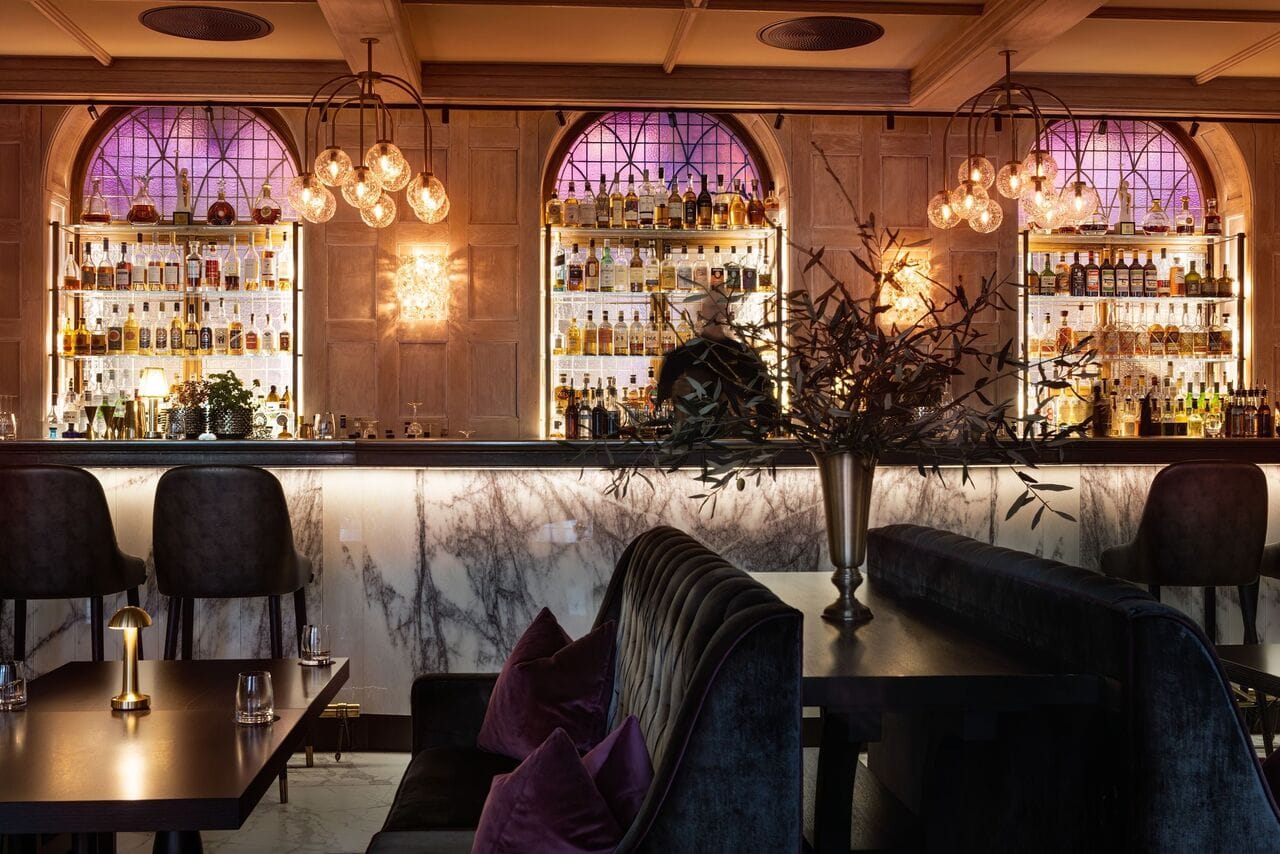
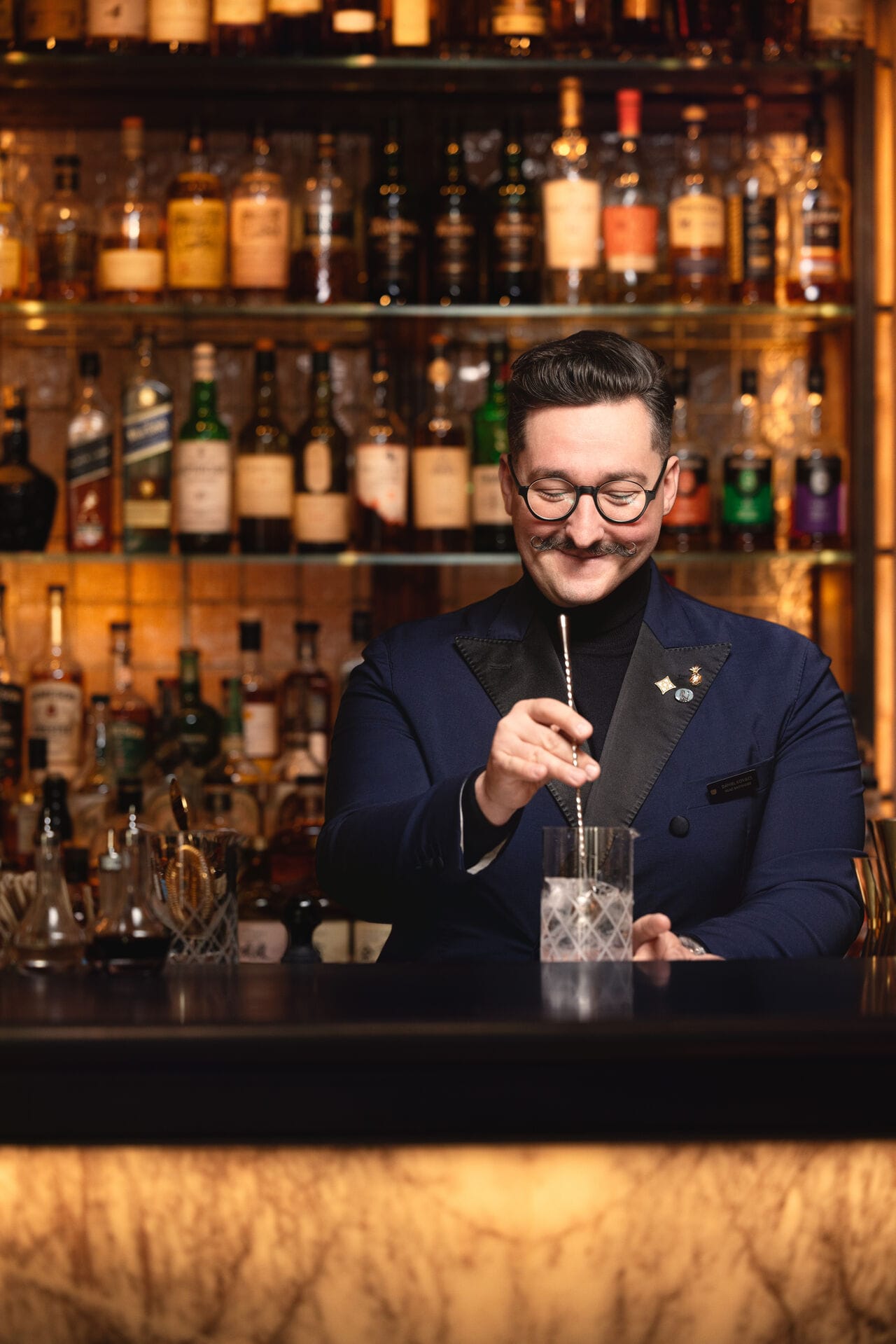
Trondheim probably isn't the first destination that comes to mind when you think of cocktails. And yet. Inside the Britannia Hotel, a five-star property opened in 1870 and fully restored in 2019, the Britannia Bar swept the 2025 Bartenders' Choice Awards, taking home the titles of Norway's best cocktail bar, best menu, and best bartender. We spent two days there with Head Bartender Dániel Kovács, who walked us through the entire "Portraits of Britannia" menu.
The perfect opportunity to take a closer look at how an award-winning menu gets made.
The title first, the characters second
At the Britannia Bar, everything started with the menu's title, which set the theme before a single recipe existed. Once "Portraits of Britannia" was settled, the team spent an entire year, between work shifts and library sessions, identifying the ten real people who had shaped or inspired the hotel since the 1870s.
Every story was then verified from top to bottom, from period newspapers on microfilm all the way to the subjects' grandchildren, whose approval was a core requirement of the project: no fairy tales, only true stories.
One anchor ingredient per character
Next came translating each biography into flavors and colors. The method: find a signature product that anchors the character.
Case in point: Norum, named after architect Karl Norum, a native of Levanger. Anyone who reads up on this town in central Norway quickly learns that apples are an institution there. That made the first ingredient an easy call, joined by a local barley vodka.
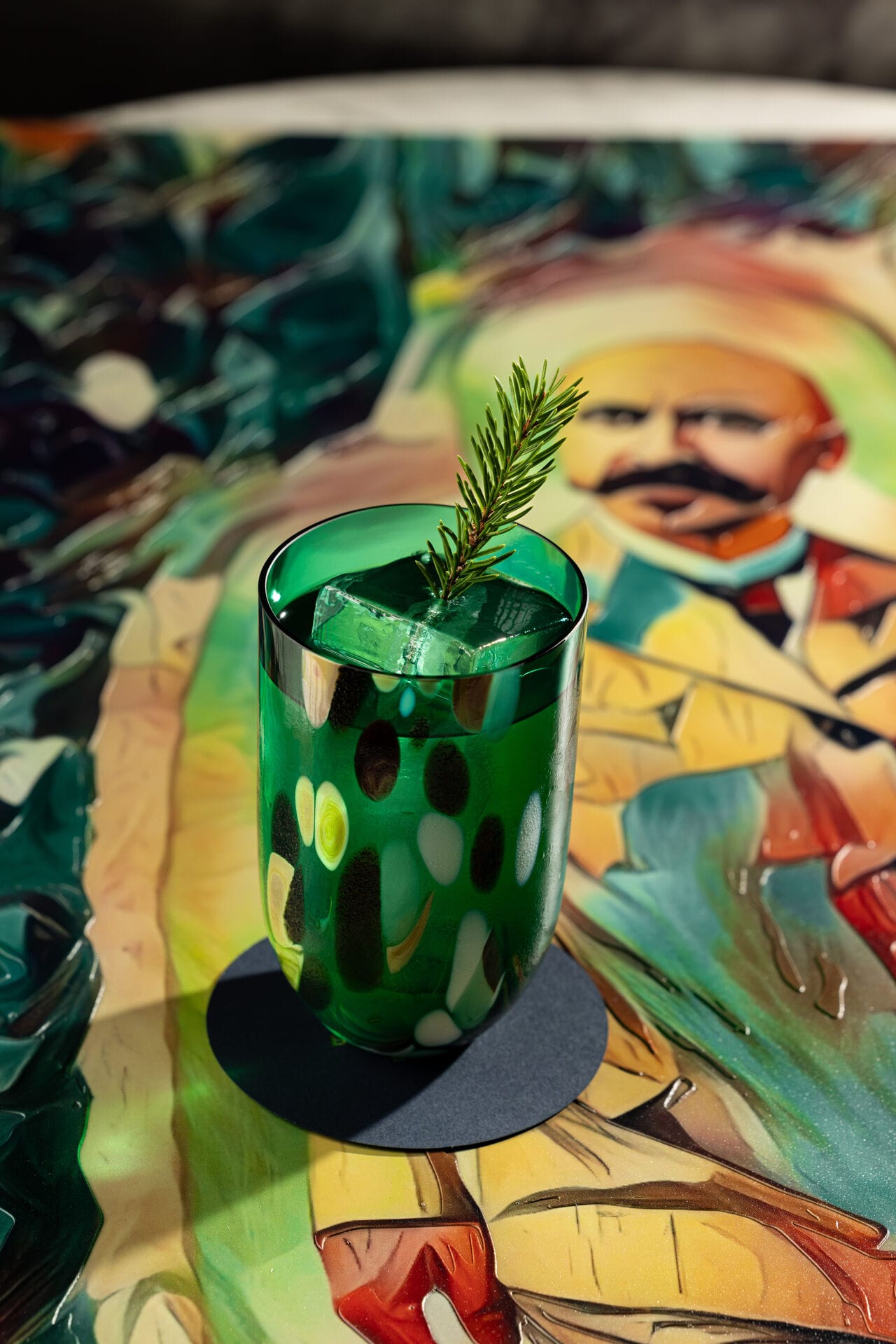
The colors of the ingredients are then carried into the palette of each portrait, 3D-printed to give it the texture of paint and lend the menu a genuinely tactile dimension, and those same hues reappear in the drink's presentation.
It comes full circle with Øyvind Lindgjerdet, the bar's Executive Bar Manager, who is behind the concept, the stories, the recipes, and the artworks themselves, backed by his entire team, including Dániel Kovács.
The last 20 percent
The drinks were first brought to 80% completion to lock in the core flavors. The final months went into the finishing touches, the menu's language, and above all its scalability: building a prep routine the team could actually sustain, like the 45 kg of strawberries macerated at the peak of their season for the Benito, and being able to back up every ingredient choice with airtight rigor.
To illustrate: some recipes make it difficult to substitute even one London Dry gin for another because certain components are micro-dosed, like the 50 ml of eau-de-vie (just 50!) added to a 5-liter batch, an amount that would be impossible to measure accurately in a single glass, but whose absence would be noticed.
The result in the glass
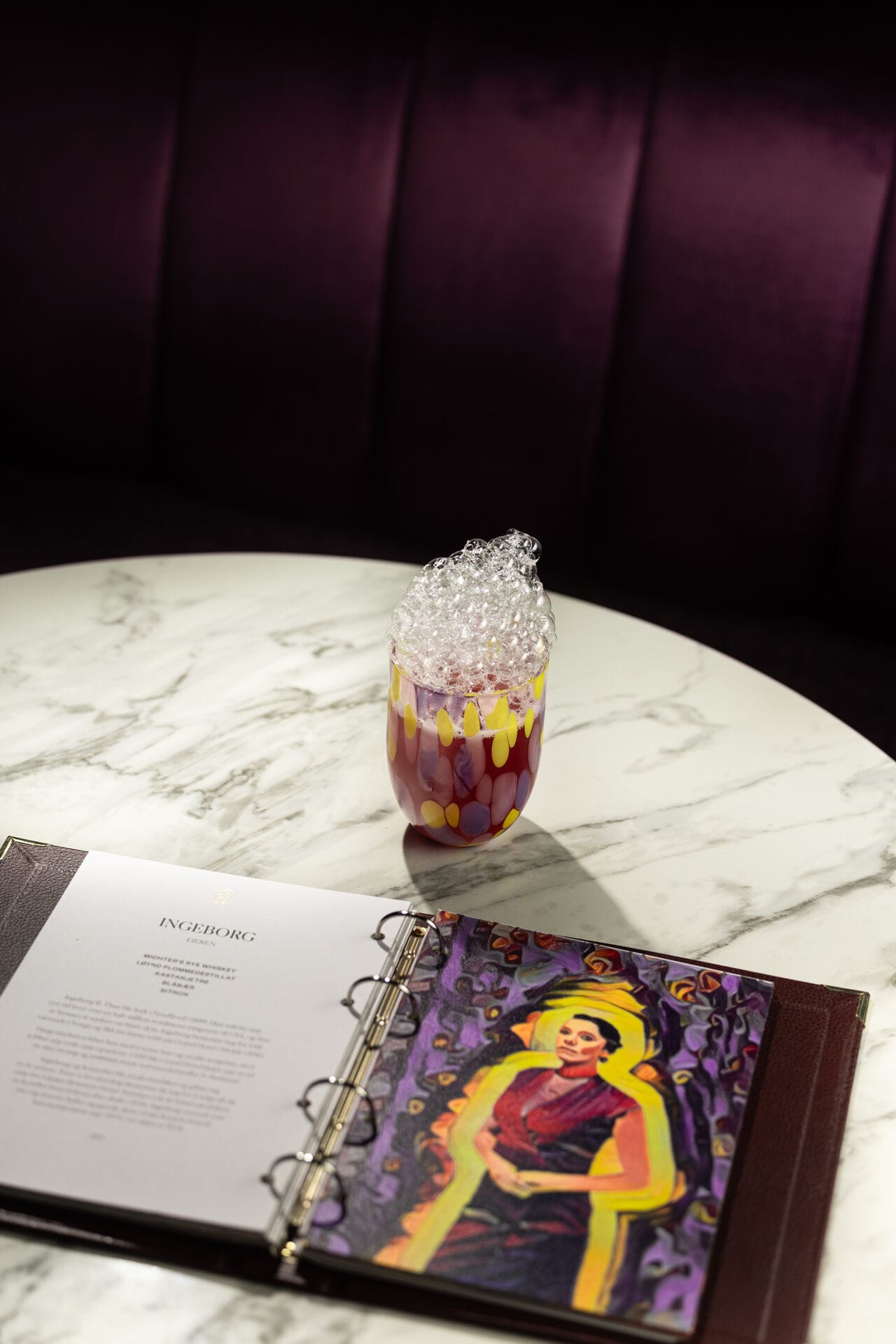
Ingeborg captures the whole method perfectly: Ingeborg B. Thue, who ran the hotel until retiring at 85, saw eight of her nine siblings emigrate to America. Hence an America-meets-Trøndelag pairing, expressed through Michter's rye and a local plum distillate aged in chestnut casks.
As for Bleken, each glass bears a brushstroke applied by painter Håkon Bleken himself, who died last year. At 96, a few months before his death, he painted the 96 glasses lined up on the bar counter one by one, before being cured in the oven to make the paint dishwasher-safe. Inside: INDERØY VÏ aquavit fat-washed with Røros butter and two drops of edible "oil paint."
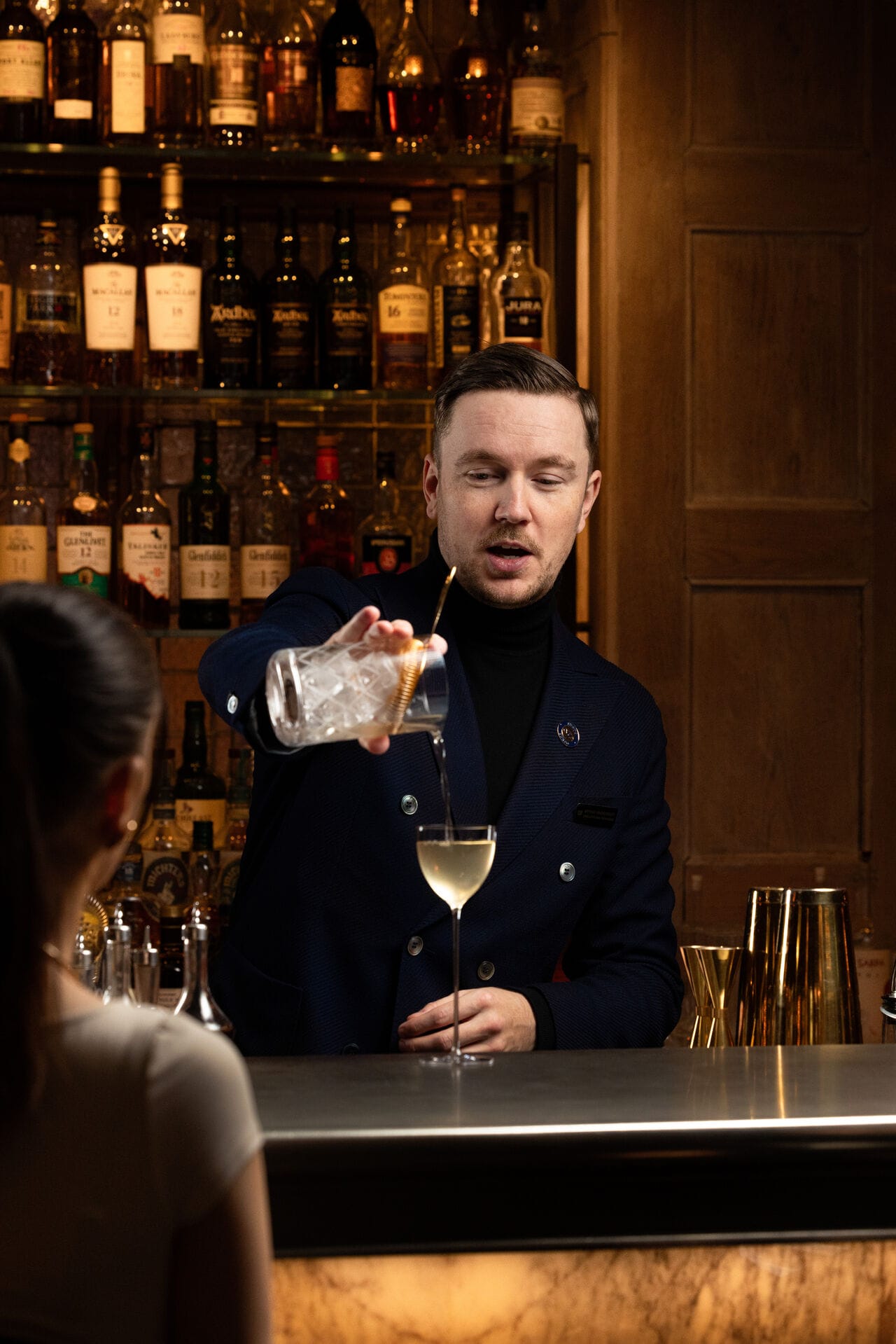
To try the rest, "Portraits of Britannia" will remain on the menu until early 2027. If you were looking for one more excuse to venture to Norway in the coming months, here it is, served up on a platter!
And as you might guess after reading about this whole process, the next concept is already in the works!
That one will be worth watching closely too!