Visit Kweichow Moutai at Wine Paris 2026
Feb 9–11, Kweichow Moutai will be at Wine Paris in Be Spirits (Hall 2.2, Stand E055). Stop by to taste its baijiu and attend masterclasses to learn more about the brand.
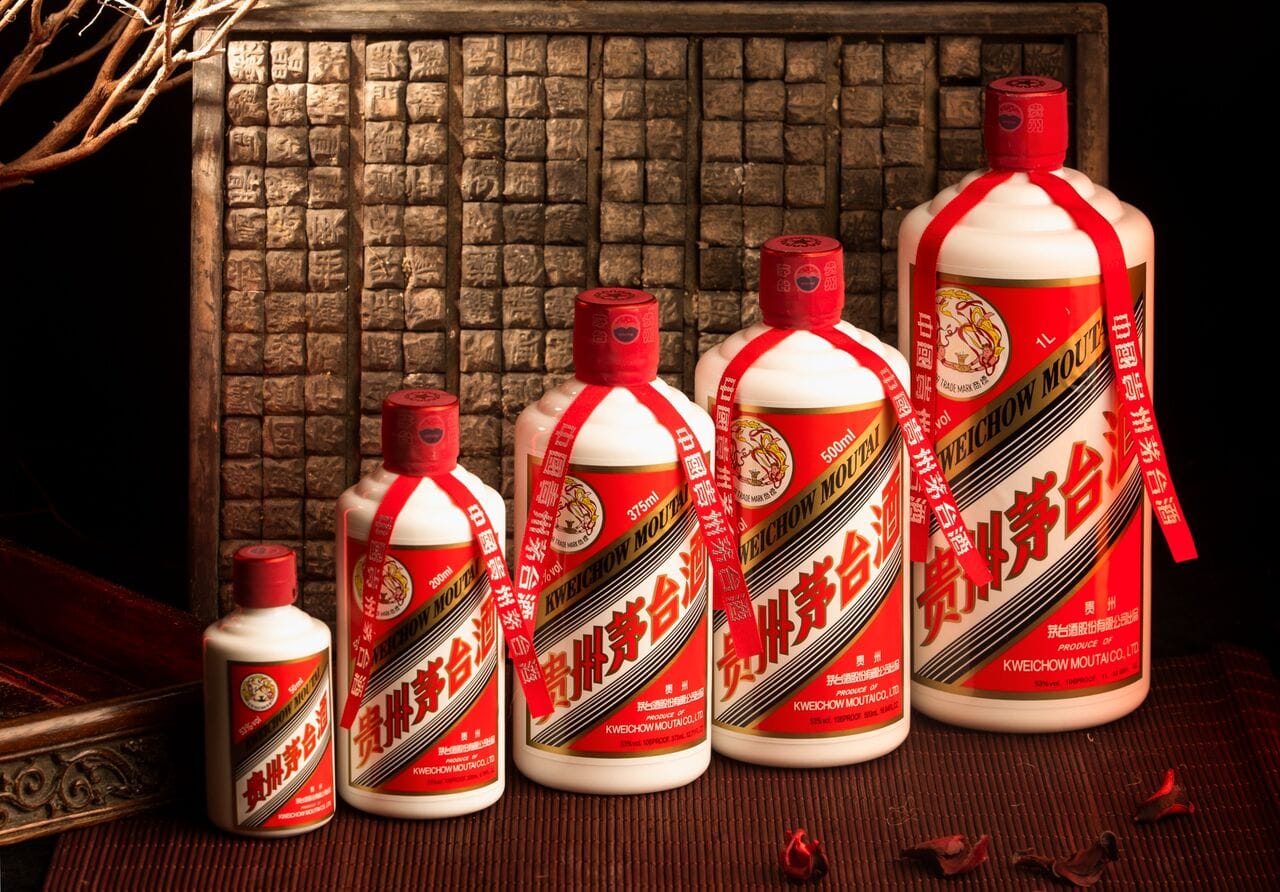
Will you be at the upcoming Wine Paris?
Then don’t miss the Moutai stand—you’ll find plenty going on, and it’s set up to be a memorable experience. From tastings and masterclasses to behind-the-scenes brand stories—and cocktails (approved by yours truly)—it’s a great chance to explore this truly unique baijiu.
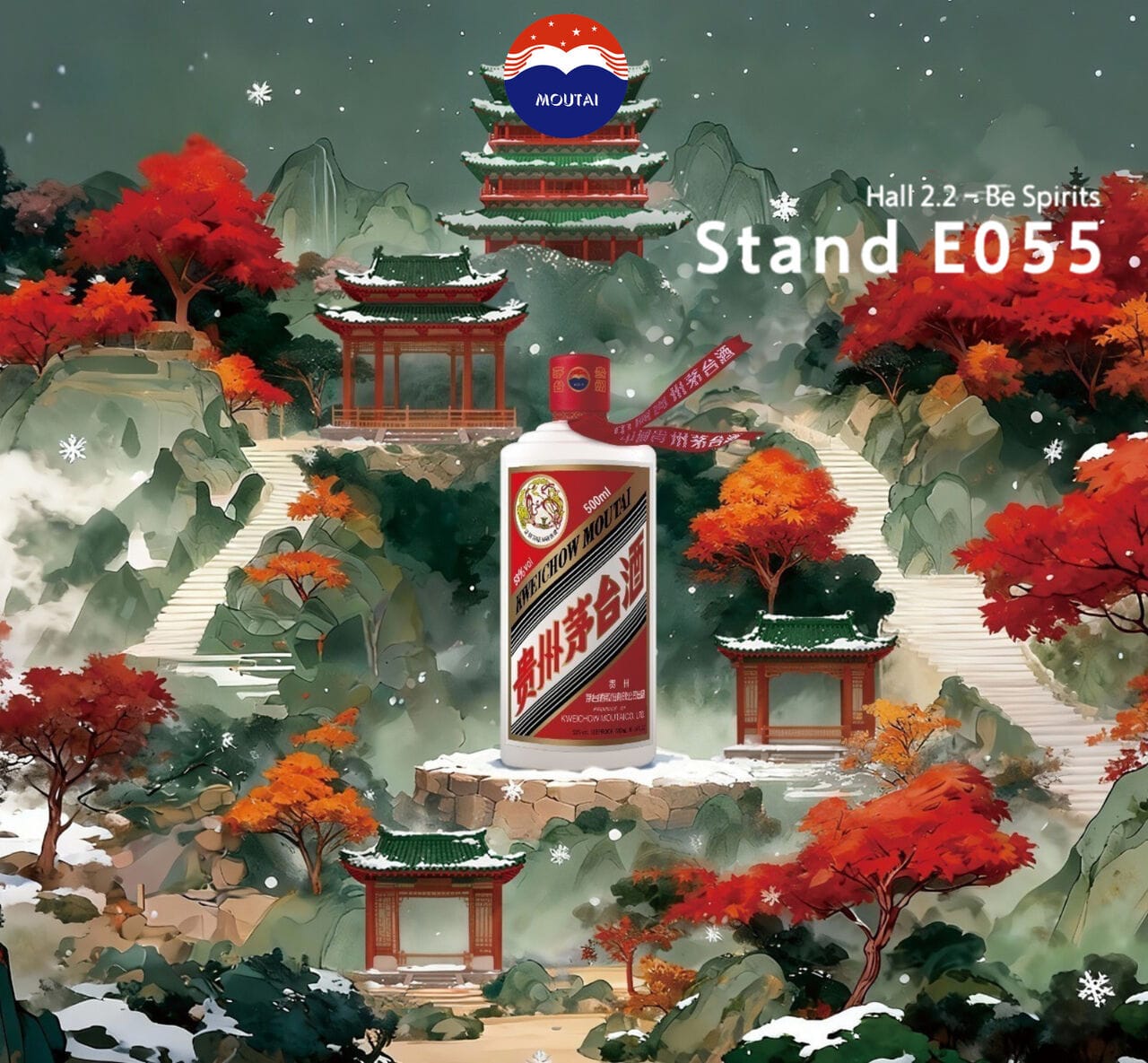
The can’t-miss sessions
There will be 12 masterclasses over the course of the show, with at least four each day on topics like culture, desserts, cocktails, and food pairings with Moutai—a great way to get to know both the brand and this baijiu inside and out.
Led by top names in the industry—Michelin-starred chef Yurika Kitano, International Bartender Association (IBA) Vice President Serge Guillou, De Vie (Paris) co-founder Alex Francis, newly crowned world cocktail champion Pierre Munier, and many others—the sessions run Monday through Wednesday at 11:00–11:30, 14:00–14:30, 15:00–15:30, and 16:00–16:30.
Whether you’re here for Moutai food pairings, desserts, chocolate, cocktails, or a deeper dive into the brand’s culture, the Moutai team can’t wait to welcome you!
📆 Feb 9–11, 2026
📍 Moutai stand (Be Spirits): Hall 2.2, Stand E055
KWEICHOW MOUTAI: the centuries-old story of an iconic brand
Moutai: from a distinctive terroir to a global cultural touchstone
Mention Moutai, and you’re talking about more than a spirit—you’re talking about a legacy shaped by time, terroir, and hard-earned know-how. Born in the Chishui River valley in southwest China, Moutai’s production method draws on more than a thousand years of history—and today, it reflects the growing presence of Chinese brands on the international stage.
Deeply rooted in its natural environment, the brand has built its identity on protecting its terroir, passing down artisanal techniques, and a long-term vision that turns the product into a cultural ambassador. Moutai’s journey—from local workshops to a global presence—shows how a spirit rooted in terroir can also bring people together.
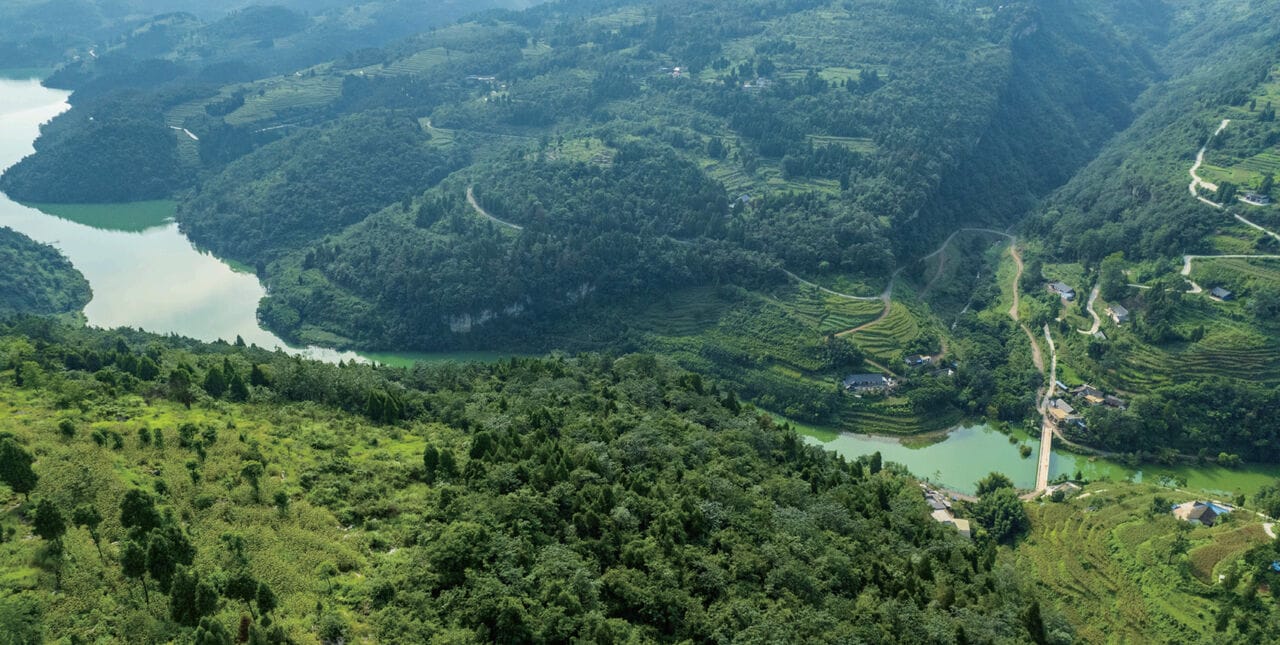
The Chishui River valley: a geographic and historical foundation
Moutai’s story begins on the banks of the Chishui River, a mountainous region with a warm, humid climate and rich microbial diversity that helps shape the character of this baijiu.
As far back as the Qin and Han dynasties, the region was known for producing Goujiang wine, renowned for its quality. Over the centuries, a unique bond formed between this place and the making of Moutai. Natural conditions—soil, water, climate, and microorganisms—create an ecosystem that can’t be replicated elsewhere, which is why people say Moutai can only be made in Maotai.
International recognition came when Moutai won a medal at the 1915 Panama–Pacific International Exposition. That win marked its leap from regional favorite to national cultural symbol.
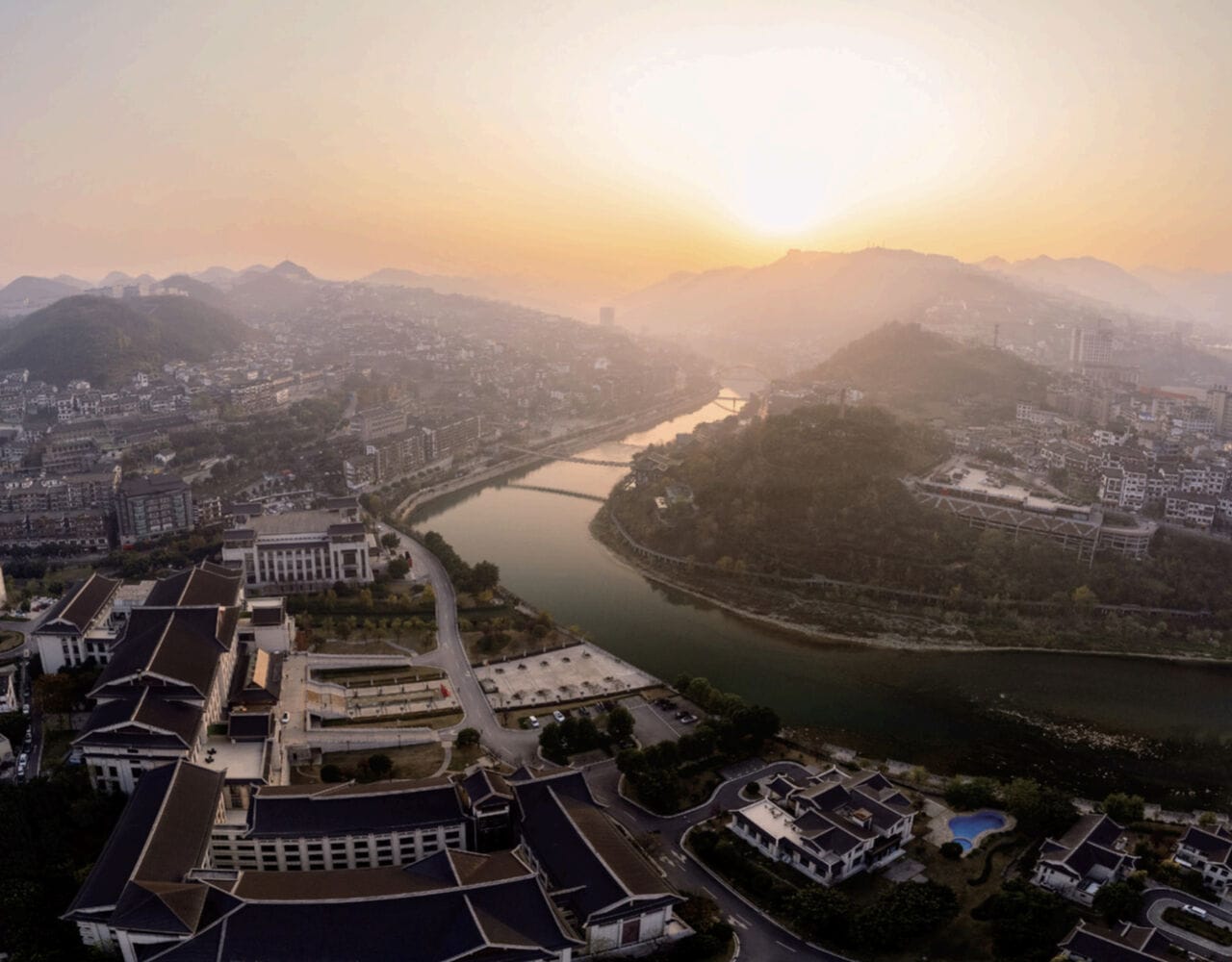
Building the brand and going global
In 1951, the establishment of the national Moutai distillery made it possible to standardize production while preserving traditional techniques. In 1958, the iconic Feitian label gave the brand a strong visual identity, tying its cultural heritage to global ambition.
Over time, Moutai gained real global momentum. Today, it’s available in many countries and regions, and the brand participates in major official, cultural, and business events around the world.
Moutai’s protected geographical indication status has further strengthened the link between the product and its origin—while reinforcing its reputation as a high-quality Chinese baijiu.
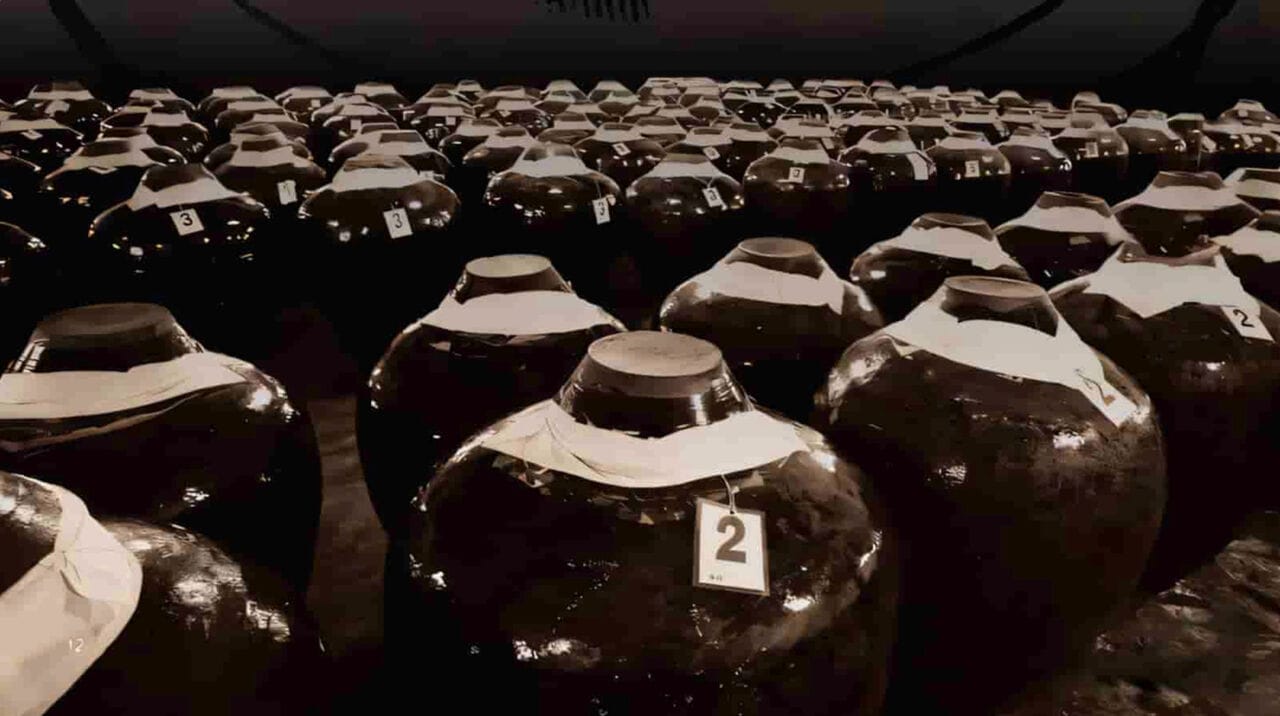
Time as the cornerstone of quality
Moutai’s quality comes from a long production process built around a cycle of roughly five years. That time isn’t just spent waiting—it’s a sequence of precise stages guided by the traditional calendar and nature’s rhythms.
The first year focuses on transforming the raw materials—glutinous sorghum (Hongyingzi), wheat, and water from the Chishui River—through a rigorous sequence of nine steaming cycles, eight fermentation cycles, and seven distillation cycles. Key steps, such as making Qu during the Double Ninth Festival, show how the process is rooted in seasonal rhythms.
Then it’s aged for several years in earthenware jars. This extended aging helps the aromas develop and settle, under the watchful eye of the artisans.
The final stage is blending, done by experienced masters. It involves combining spirits from different cycles and ages to achieve a balance that meets the brand’s standards. This meticulous work relies entirely on the blenders’ senses and years of tasting experience—there’s no fixed recipe.
DRINK RESPONSIBLY.


