Fever-Tree x Garnish Lab: when garnishes turn cocktails into an art form
In mid-November, Fever-Tree hosted a bartender-focused event in Paris. We explored the ingredients behind its mixers and learned advanced techniques to elevate cocktail garnishes to a whole new level.
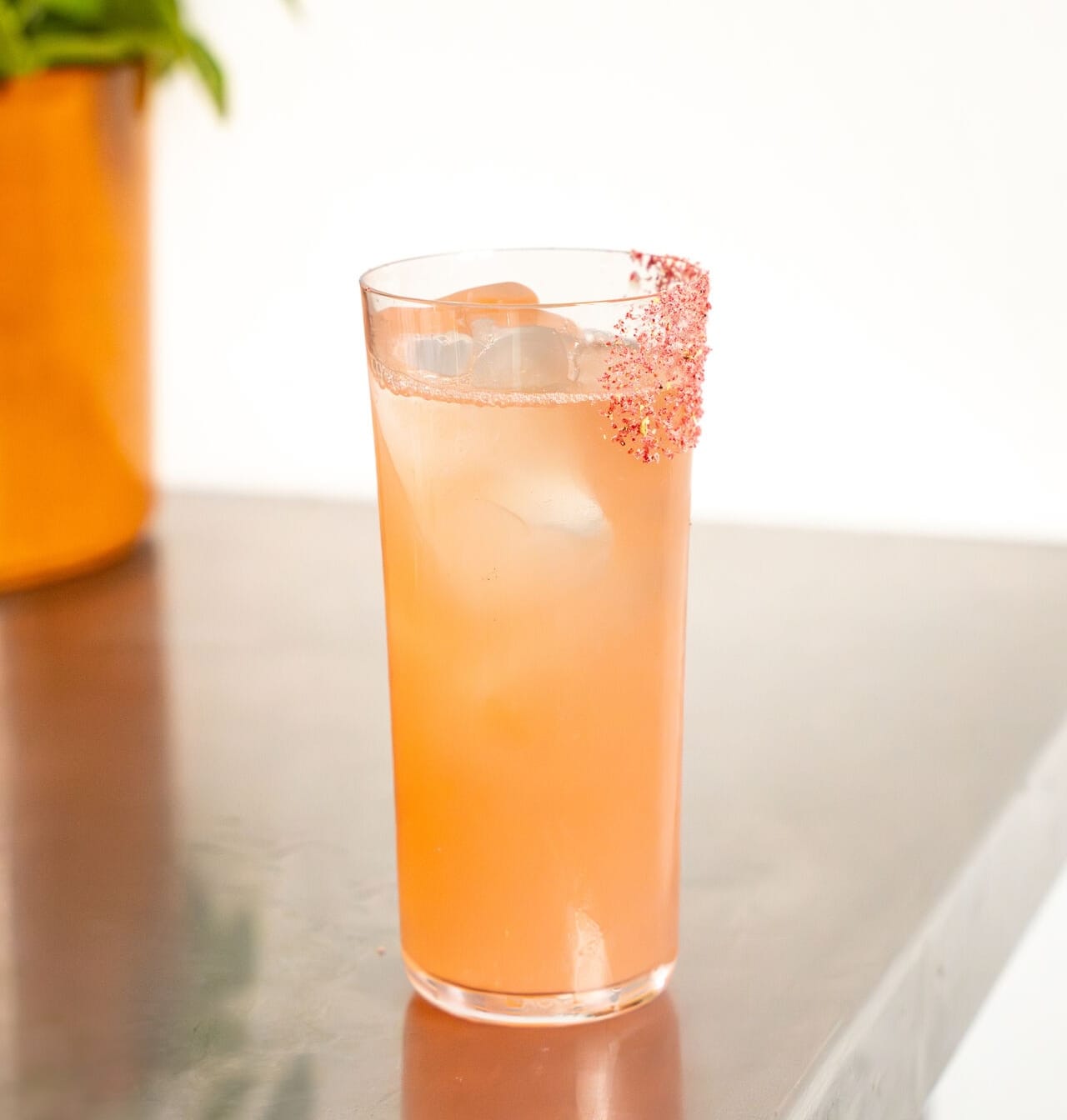
On Monday, November 17, on the Rue des Vinaigriers in Paris, Fever-Tree brought together more than thirty bartenders for its first The Essence of Taste event in France.
It was a day of discovery that reminded us how even the things that can feel trivial—like choosing a tonic or picking a garnish for a classic Gin & Tonic—can have surprising depth.
Thousands of options
While a G&T, a Moscow Mule, or a Paloma may look ridiculously simple on paper, there’s really nothing stopping you from taking these classic recipes in new directions.
Without reinventing the wheel, you can start by experimenting with different gin styles (the foundation!), paired with mixers that are just as varied. And if you want to take that experimentation a step further, try all kinds of garnishes to expand the combinations even more.
That approach is at the heart of Fever-Tree, built on a simple belief: since the mixer makes up three-quarters of the drink, it deserves the same attention as the spirit. So the brand has made sourcing its top priority—finding the right ingredient for each recipe, with no artificial flavors or sweeteners. That obsession drove its founders to travel the world in search of the best, from quinine in the Congo to lemon thyme from Provence—and you can taste that in the breadth of the lineup we know today, designed to complement whatever you’re making behind the bar.
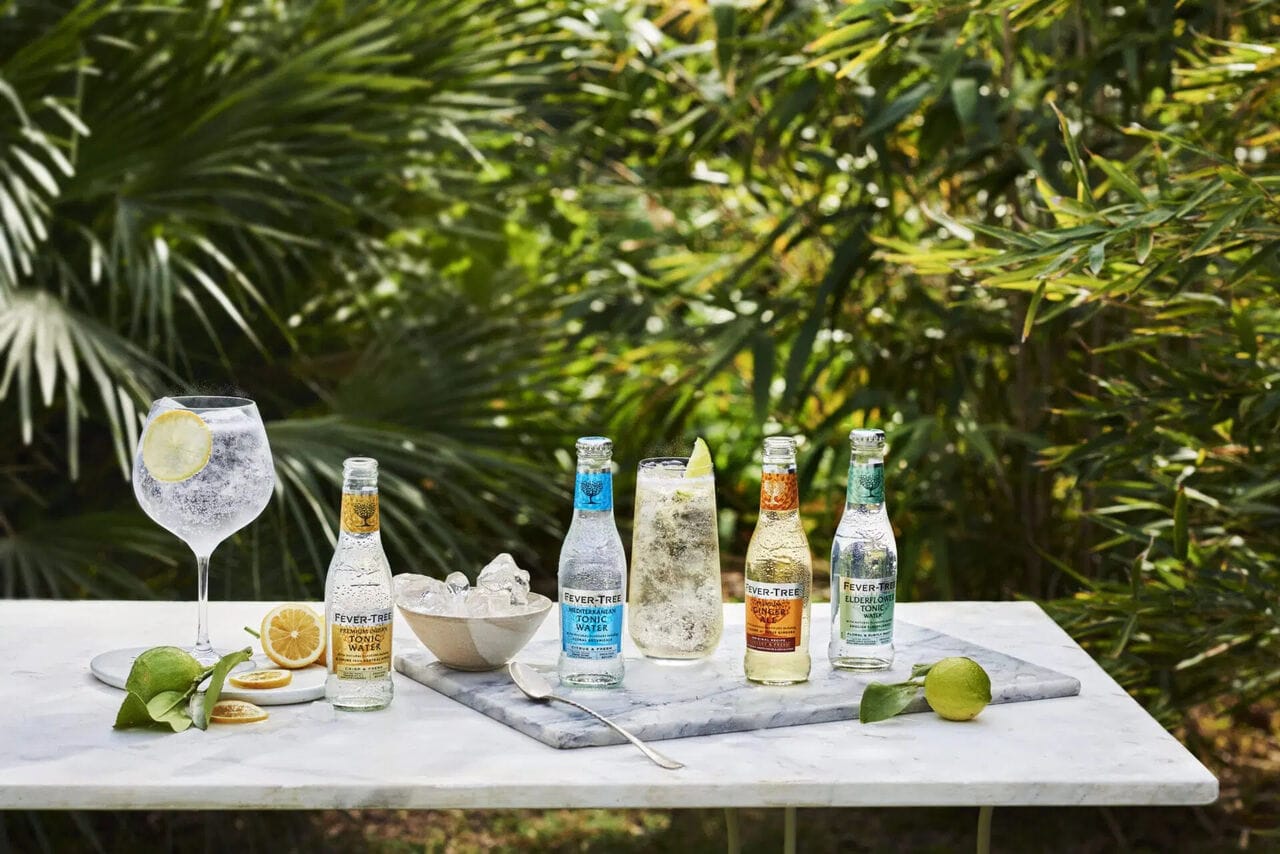
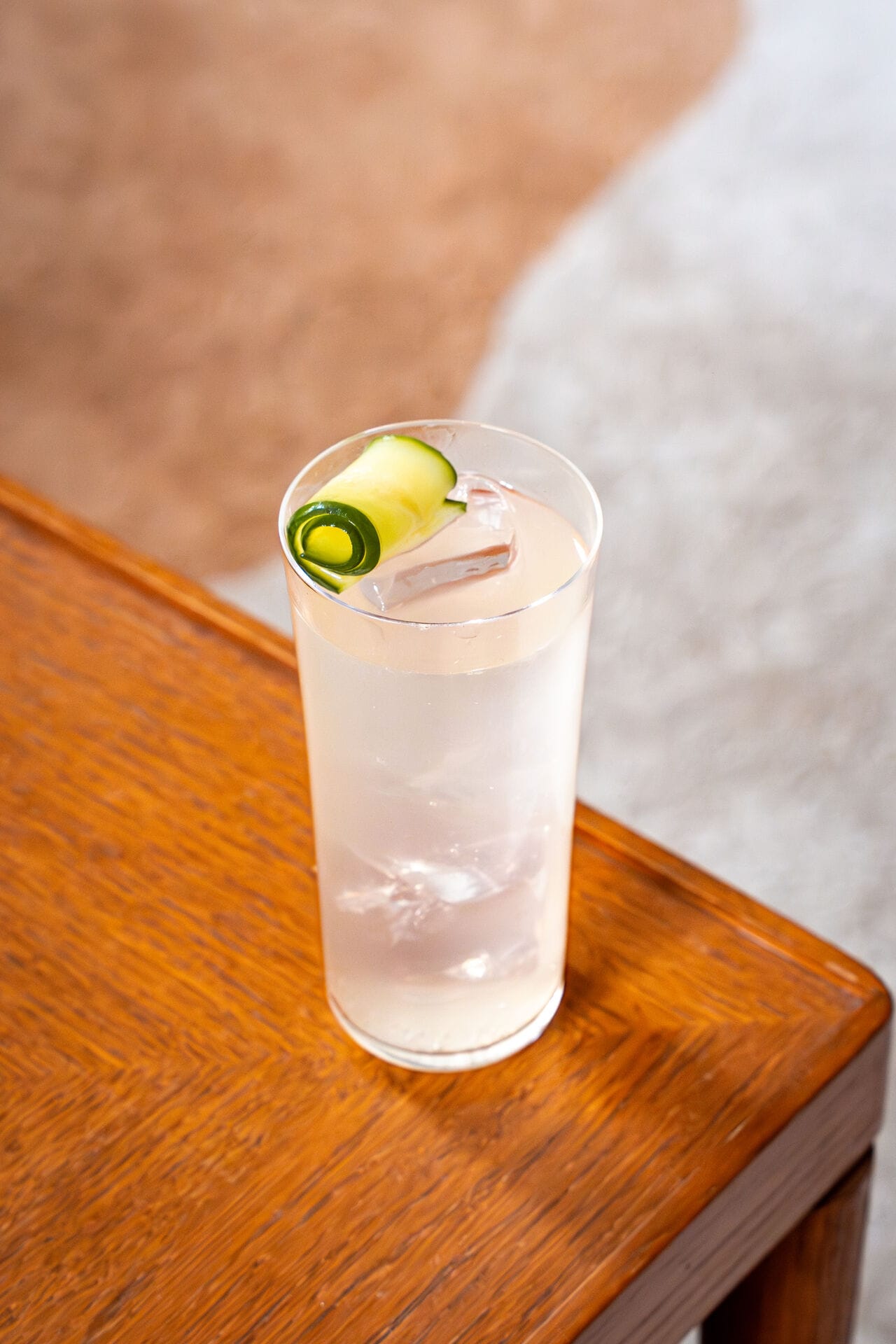
In practice, your favorite gin can turn into ten different drinks depending on what you pair it with a Fever-Tree Premium Indian Tonic Water and an orange twist, a Mediterranean Tonic Water with thyme, or an Elderflower Tonic Water with a slice of cucumber.
Same gin—and you’re already in three totally different drinks.
Try that across each gin profile, each mixer, each garnish… and the only limit to what’s possible will be your imagination.
Garnish—the detail that changes everything
So how about we level up our game?
Beyond aroma and flavor, a well-executed garnish can turn a cocktail into a top seller on your menu on looks alone.
But there’s a world of difference between knowing and doing. And that’s exactly where Julie Couder from Garnish Lab shines.
During The Essence of Taste, she shared a few high-level tips to help us rethink garnish as a full-fledged ingredient in any cocktail, using nine recipes at different levels of complexity.
As a little teaser, Jigger Daily is delighted to share three of them with you—particularly inspiring ideas you can start prepping for your next shift.
Ready? Let’s go.
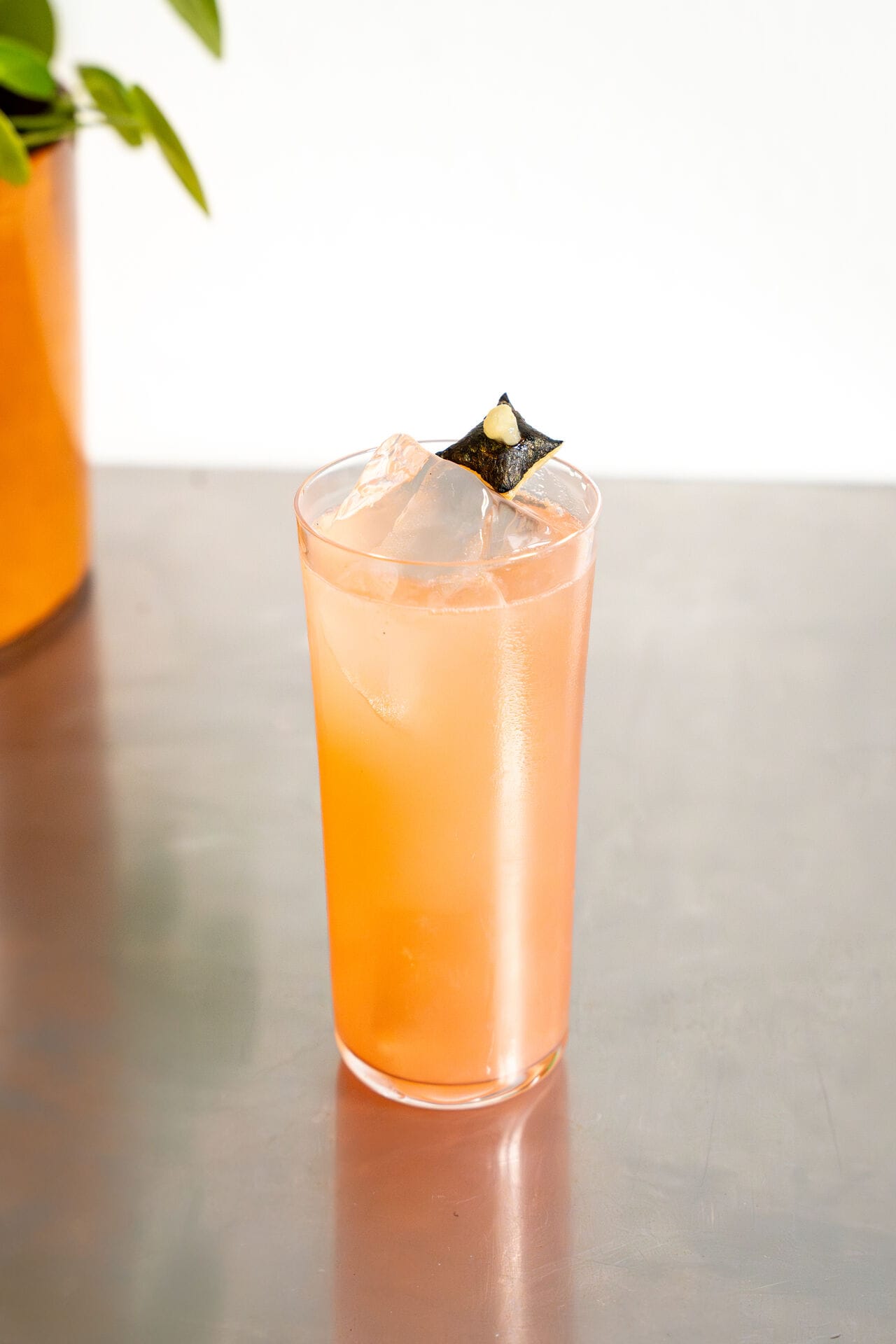
1. Siphon foam, coconut water, ponzu sauce, and mirin for Gin & Tonic (accessible level)
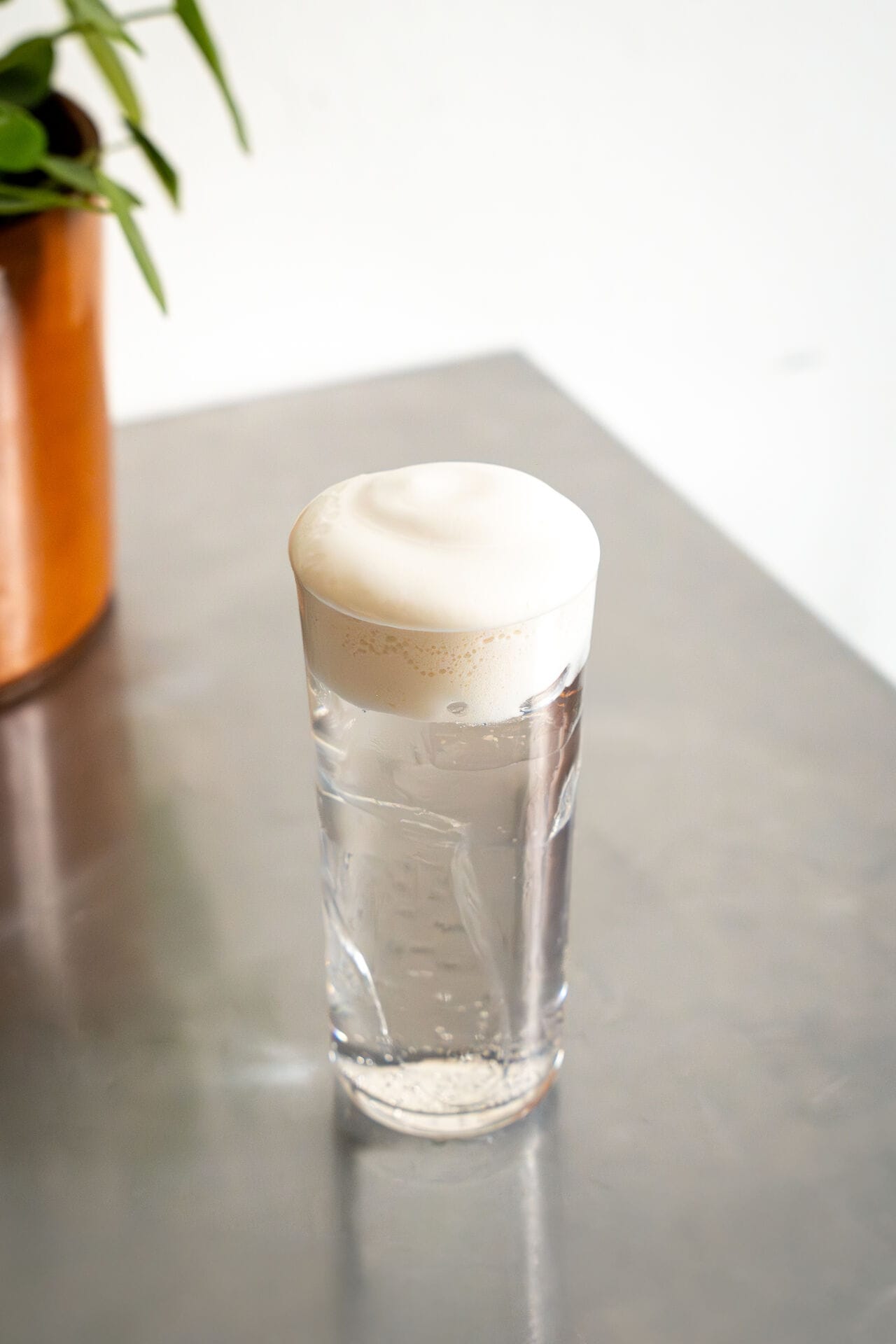
A light foam made with coconut water, ponzu sauce, and mirin. Let’s be honest: when Julie had us spoon this Asian-inspired foam onto our G&T, we were skeptical at first. Ponzu sauce? On a G&T? Somehow, it works.
The result adds freshness and umami, creating an unexpected contrast with the gin and tonic’s botanical and spicy notes. The practical upside: once the siphon is ready (it’ll keep for up to three days in the fridge), service becomes lightning-fast. Just top the drink with it, and you’re good to go.
If you want a distinctive look without slowing down service, this is absolutely worth trying.
INGREDIENTS
- 300g coconut water
- 30g mirin
- 15g yuzu ponzu
- 5g lemon juice (optional)
- 20g sugar
- 100g aquafaba
- 1 or 2 N2O chargers

PREPARATION
Keep the ingredients chilled before using
- Mix until the sugar is fully dissolved
- Pour the mixture into the siphon, insert two chargers
- Mix well, let rest in the refrigerator

SERVICE
- Shake well before use and dispense over the drink

STORAGE
- Up to 3 days in the refrigerator
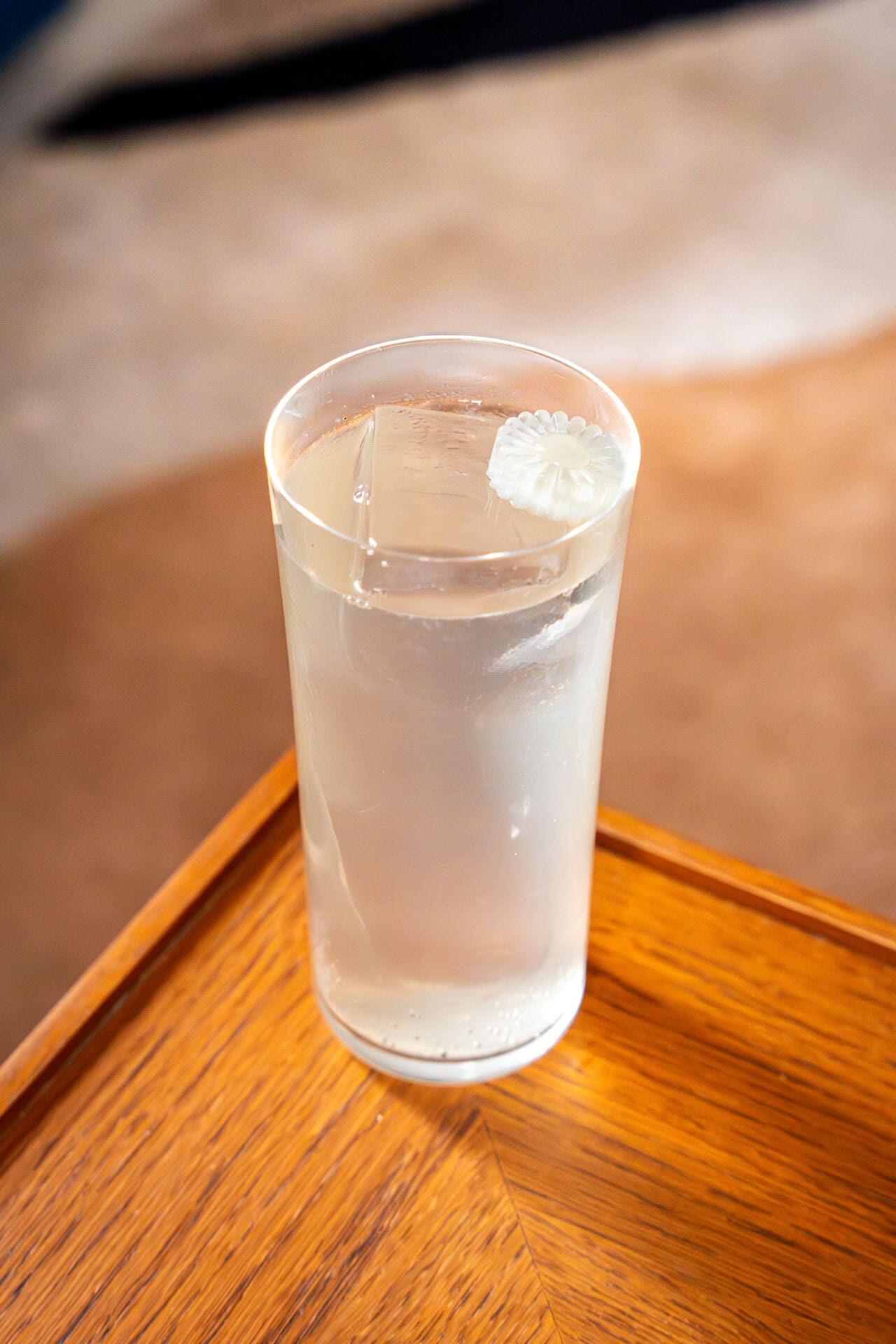
2. Grapefruit kohakutou for Paloma (intermediate level)
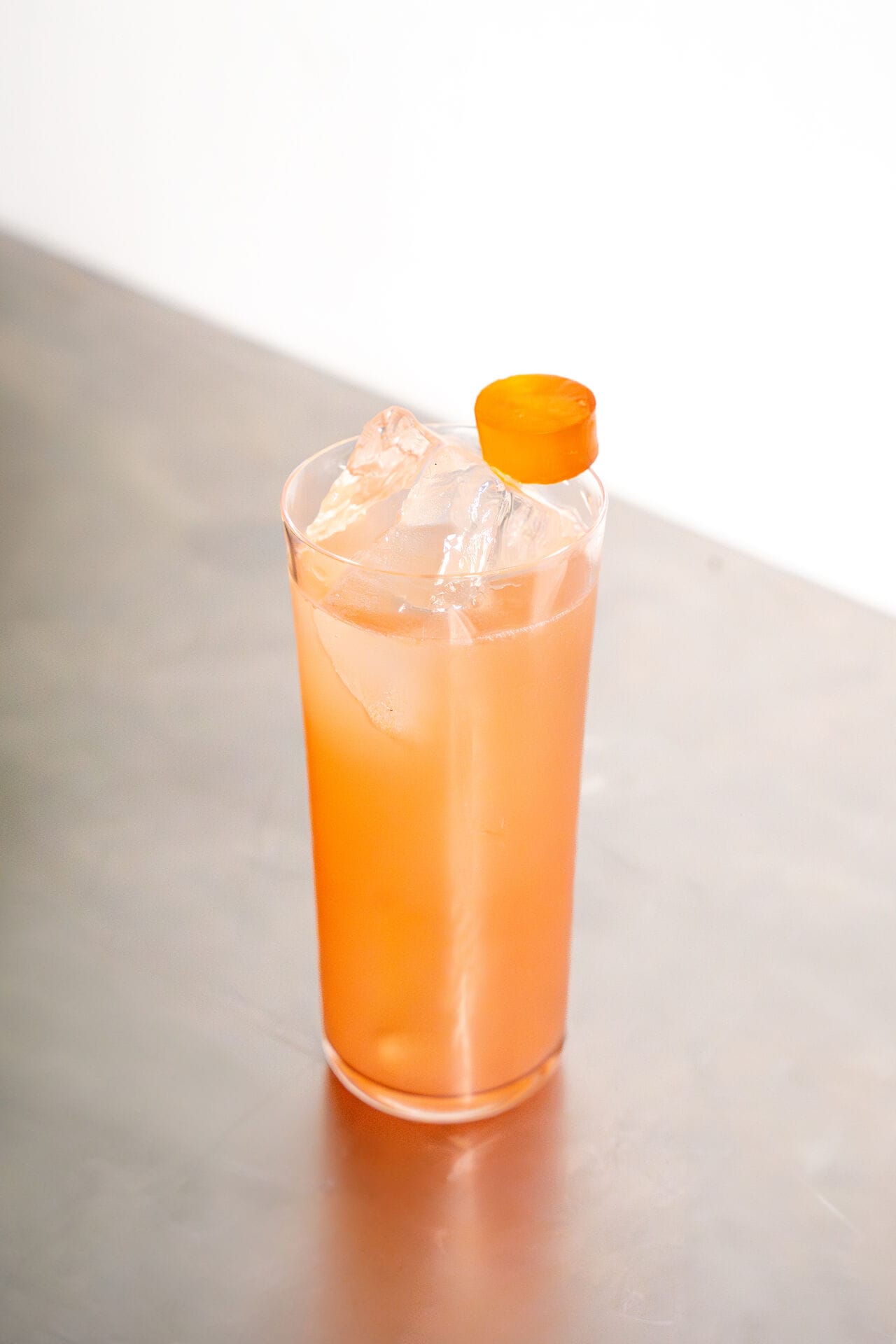
Kohakutou—a Japanese agar jelly candy—makes for a standout garnish here, and it’s absolutely worth the wait.
Set on top of an ice cube—or slit and perched on the rim of the glass—it gives the classic Paloma a whole new look. Flavor-wise, it’s a perfect match for one of the most-ordered cocktails right now and Fever Tree Sparkling Pink Grapefruit.
And to top it off, its 2–3-week shelf life in an airtight container makes it great for batching in bigger quantities, depending on how much you typically go through.
INGREDIENTS
- 200 g strained grapefruit juice
- 6 g agar-agar
- 180 g sugar

PREPARATION
- Mix the juice and agar-agar in a saucepan, bring to a boil, and cook for 2 minutes, then add the sugar and cook 2–3 minutes
- Pour into a shallow mold (no more than 2 cm thick) lined with parchment paper
- Let cool at room temperature, then refrigerate for about 2 hours
- Unmold and cut into the desired shape
- Place the pieces on a rack or parchment paper and let them dry for 3–5 days at room temperature, turning them once a day
- If the surface is damp, gently blot with a paper towel
- They’ll become translucent with a crisp shell and a soft center

SERVICE
- On top of an ice cube—or slit and perched on the rim of the glass

STORAGE
- In an airtight container at room temperature for 2–3 weeks
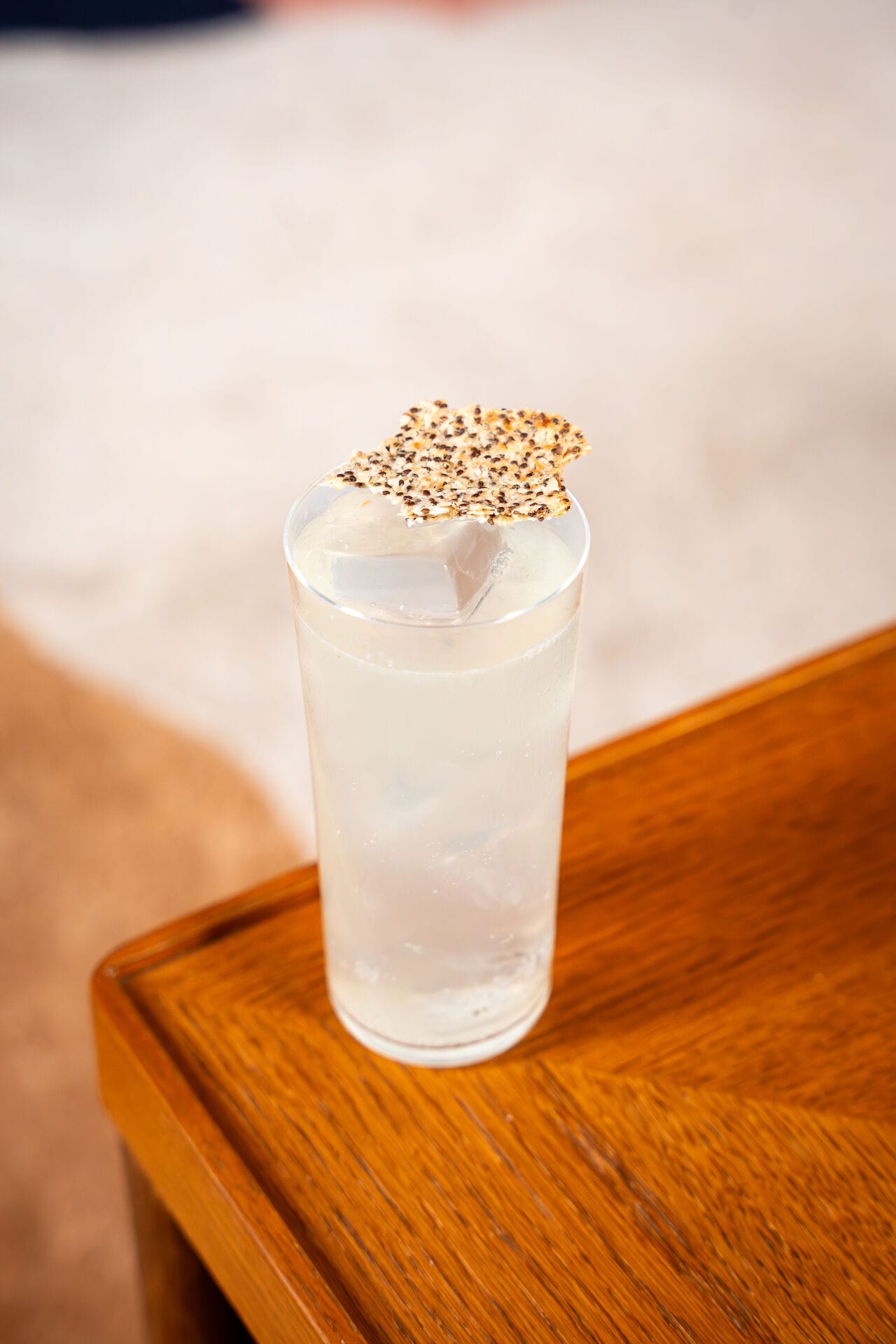
3. Toasted coconut, chia, and tonka crackers for Moscow Mule (advanced level)
To wrap up with the most technical one of the bunch, here are crackers made from toasted coconut powder, chia seeds, and tonka. It requires precision (bake at 160°C / 320°F for 25–30 minutes), but the payoff is absolutely worth it.
This crunchy garnish with toasted notes pairs perfectly with the spicy kick of Fever-Tree Premium Ginger Beer. Paired with a copper mug, it’s the kind of detail that makes a guest pull out their phone and snap a photo of the cocktail before taking a sip.
INGREDIENTS
- 100 g toasted coconut powder
- 40 g chia seeds
- 1 pinch of salt
- 120 g warm water

PREPARATION
- Mix the chia seeds with the warm water
- Let rest 10 min, until you get a thick gel
- Add the toasted coconut powder, salt, and grated tonka
- Spread the dough between two sheets of parchment paper to a 3 mm thickness
- Remove the top sheet
- Bake at 160°C / 320°F (preheated oven) for 25 to 30 minutes, until the crackers are fully dry and lightly golden
- Let cool

SERVICE
- Place on the rim of the glass

STORAGE
- About a week in an airtight container
This is just a glimpse!
These three examples are just a third of what was shown in this masterclass (i.e., nine garnishes total, from the simplest to the most elaborate). That’s exactly why attending these sessions in person matters: you walk away with a whole toolbox of ideas you can use right away behind the bar (spec sheets included).
And on that note, good news: Fever-Tree plans to roll out these masterclasses around the country. If you’re a bar manager or bartender and want to host a session in your venue or city, don’t hesitate to reach out to Fever-Tree’s brand ambassador for France, Lucie Noppe (@lucienoppe)—and tell her I sent you!
So—ready to step up your garnish game?
📷 Garnish Lab


